


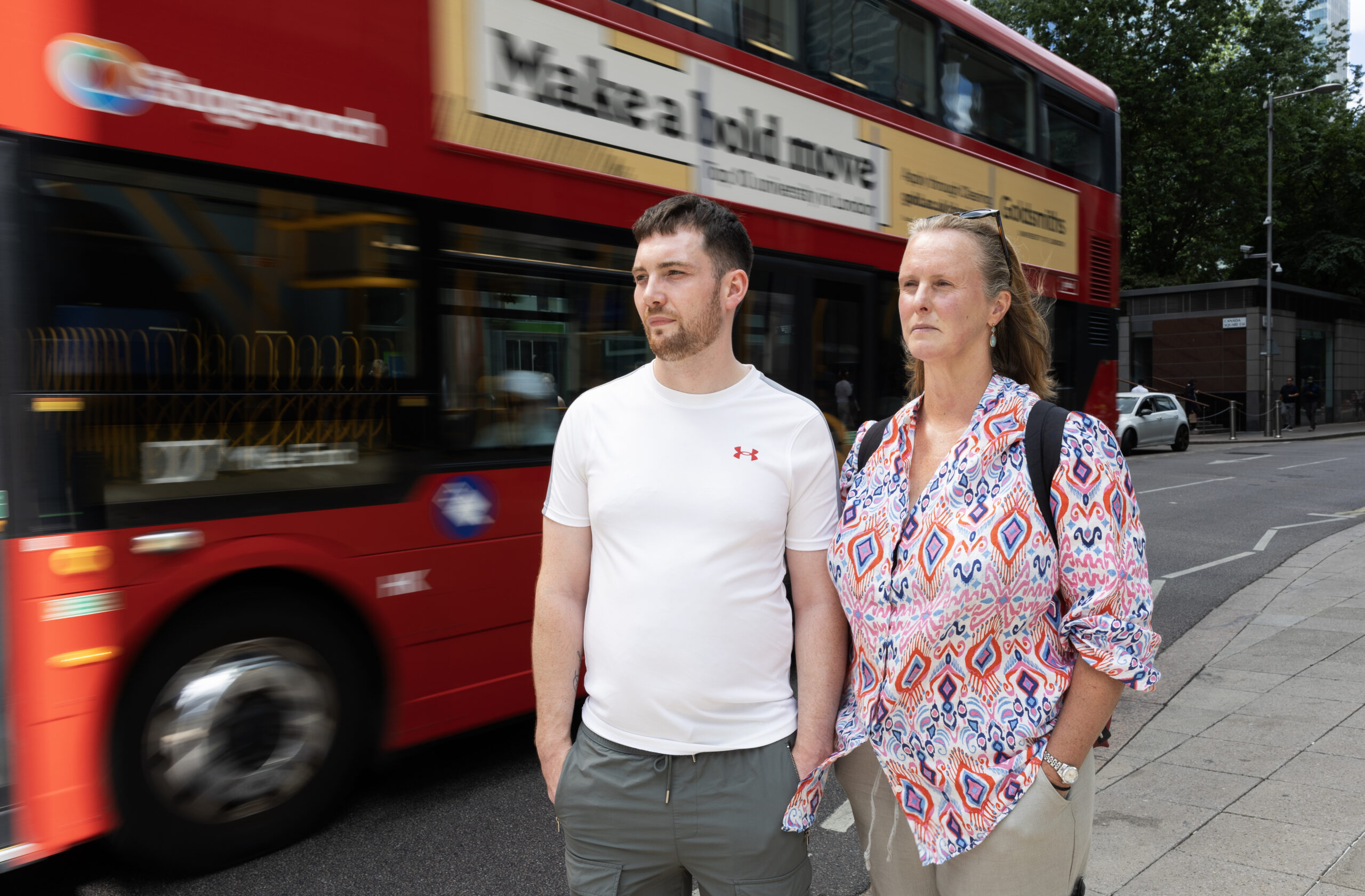
London bus drivers are becoming physically ill because of fatigue caused by long shifts, heavy traffic and limited rest breaks, Transport for London (TfL) has been told.
Drivers say gruelling working patterns are leaving them exhausted and, in some cases, forcing them to quit the profession altogether. The concerns come after a Unite survey found that 36% of drivers experience sleepiness behind the wheel two or three times a week, while almost half said they had experienced a “close call” caused by fatigue within the past year.
TfL says it is working with bus operators and trade unions to improve driver welfare, but campaigners argue current measures fail to address the root causes of exhaustion.
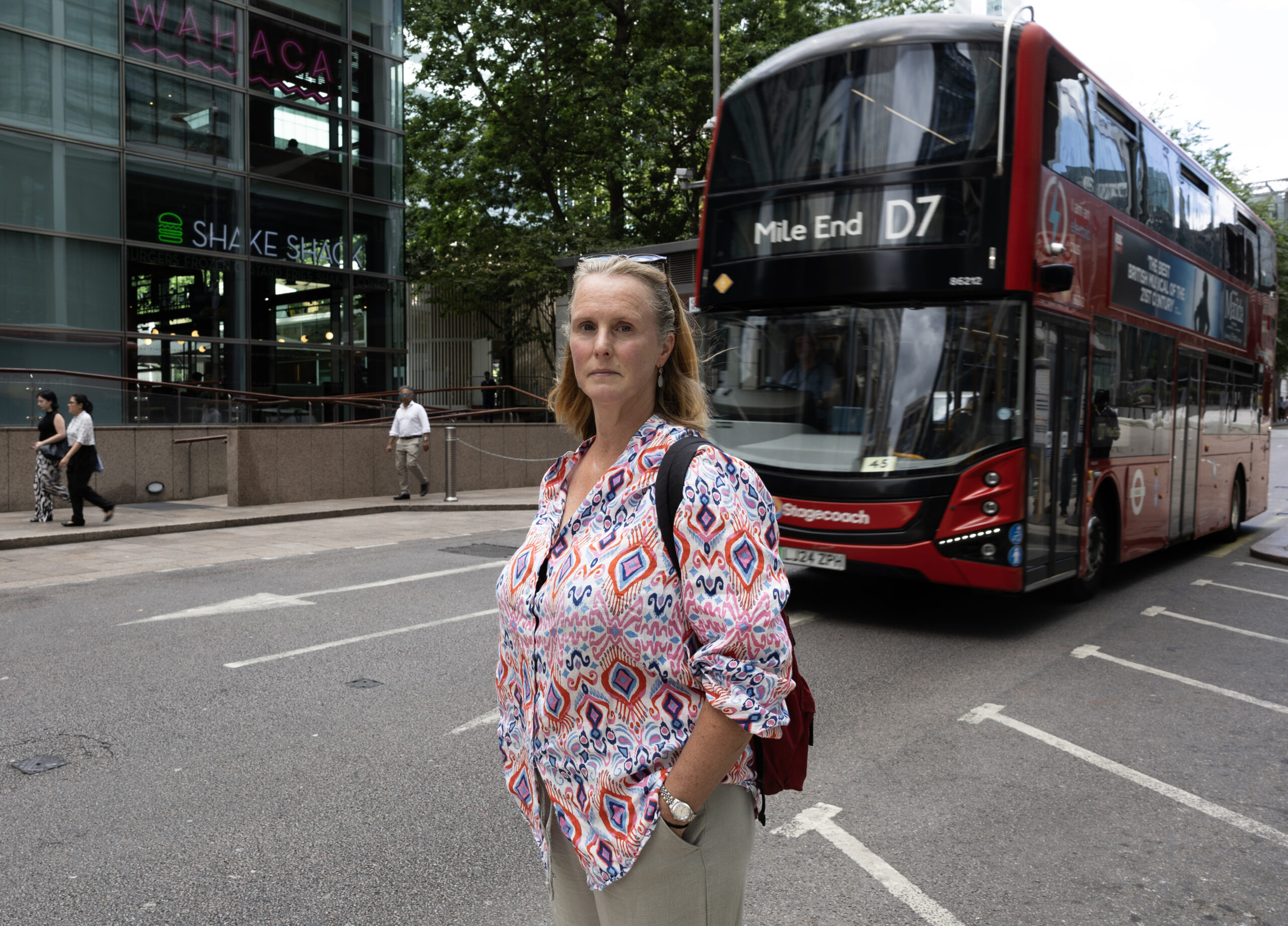
Former bus driver Antonia Pugh-Thomas said the job had severely affected her health before she resigned last month after nearly two years behind the wheel. “I’ve never been so ill as I’ve been since I’ve been a bus driver because my body, my immune system has just collapsed because of the fatigue,” she said.
“And so my periods of illness have been much more than I would have ever had previously.”
She said drivers typically work shifts lasting between 9-12 hours and receive just one scheduled 40-minute break. However, heavy traffic often eats into that time. “I might have five to ten minutes to check in with my boss, go to the toilet, maybe have a snack and turn around,” she said.
“But I might not have anything at all. I might arrive 15 minutes late and go straight away.”
She added that navigating London’s congested roads requires constant concentration.
“As we all know, anybody who sits in traffic, it’s traffic that’s so tiring and such hard work because you are edging forward slowly. You cannot let up on your concentration for even a second,” she said.
Ms Pugh-Thomas also criticised working patterns that, she said, regularly require drivers to work up to 13 consecutive days before receiving a day off.
“It almost feels like we’re being treated like machines. It’s all about the profit that the private bus operating companies are making.”
Current regulations allow drivers on local bus routes to work up to 10 hours a day. They can legally work 130 hours over a two-week period, provided they receive one day off every fortnight and a 30-minute break after five-and-a-half hours of driving.
Dylan Carroll, founder of London Bus Forums, said some drivers have as little as nine hours between finishing one shift and starting the next. “You can have that for up to 13 days. It’s a constant cycle,” he said.
Earlier this year, Unite criticised TfL’s £500,000 investment in driver wellbeing initiatives, describing it as “insulting”.
The transport authority has introduced measures including fatigue-detection technology, which monitors eye movements, blinking and head position.
However, campaigners argue the technology focuses on symptoms rather than causes. “The drivers feel those cameras are there to penalise them,” Mr Carroll said.
“We need to not be fatigued when we go out in the first place.”
TfL said tackling fatigue remained a priority.
Lorna Murphy, TfL’s Director of Buses, said: “Bus drivers play a vital role in keeping London moving, and tackling fatigue is essential to the safety and welfare of drivers and everyone using the capital’s bus network. We rightly require operators to meet high welfare standards and we’re committed to ensuring that all staff have a fair work schedule, with safe vehicles and access to the rest facilities they need.”
She added that TfL would continue working with operators and Unite to trial new technology and gather more evidence to better understand driver fatigue and improve staff wellbeing.


