

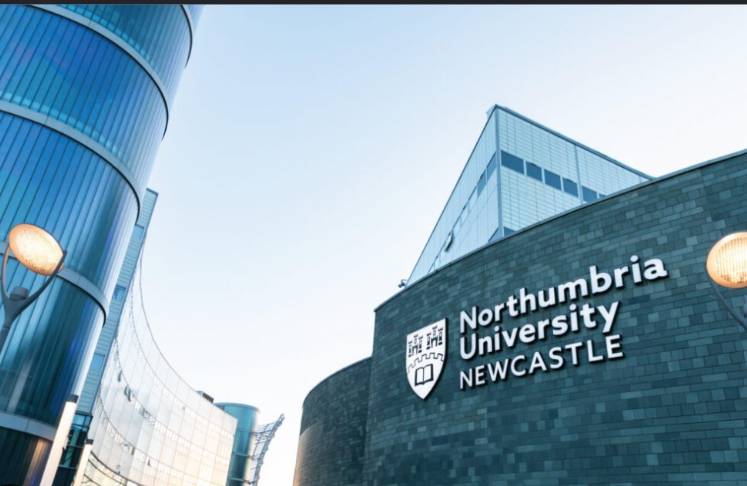
Staff at Northumbria University have been left “outraged” after plans emerged to cut dozens of academic jobs just months after a bitter dispute over pensions sparked weeks of strike action.
The Newcastle-based university is seeking to reduce spending by £25 million by the end of December as it responds to ongoing financial pressures facing the higher education sector. The proposed cuts are expected to affect several departments, with around 10 roles understood to be at risk in geography and natural sciences, 10 in engineering, physics and maths, and a further 10 in humanities and social sciences.
The plans have prompted the University and College Union (UCU) to prepare a fresh ballot on industrial action. Adam Hansen, chair of the local UCU branch, said staff were deeply concerned about the scale of the proposals and their potential impact on students.

He said some departments faced disproportionately high reductions, claiming the cuts could amount to around one in five staff in certain humanities areas. Mr Hansen said: “We recognise that the finances of the sector are very challenging, but job losses are never an answer – whether through voluntary severance or compulsory redundancy.
“Staff are really worried. They have had a stressful year already with the pension and pay scenario. This will make things even more pressurised.
“The pension issue was supposed to make the university more robust and secure. Now we find that it hasn’t been the case at all. It has made everyone’s position more precarious and more risky. Our members are outraged.”
The university has also decided to close its theatre and performance programme because of low student demand. Five roles linked to that course are expected to be replaced by two positions on another programme.
Meanwhile, seven staff members at the university’s London campus are understood to have taken voluntary redundancy. UCU general secretary Jo Grady described the proposals as “devastating for students’ learning”, arguing that fewer staff would be expected to deliver more work.
Northumbria University said its staffing levels needed to be aligned with future student demand and stressed that investment would continue in areas of growth.
A spokesperson said: “While reductions are being made in some areas, we are also investing in areas of growth to ensure Northumbria is fit for the future, maintaining a broad range of disciplines and providing students with the subjects they want to study, and the skills employers need for the careers of today and tomorrow.
“We value the contribution our colleagues make every day and recognise that these are challenging times across the higher education sector.
“While we are having to make some difficult decisions, our approach is always to act early, be open about the challenges we face, and work with colleagues and trade unions to identify solutions. By doing so, we have a strong track record of avoiding compulsory redundancies, and that remains our priority.”
The latest dispute follows multiple weeks of strike action earlier this year over plans to move staff from the Teachers’ Pension Scheme (TPS) to the Universities Superannuation Scheme (USS), which offers lower employer contributions.
University leaders argued the move would save around £11 million annually. The university has proposed a 3 % pay rise for staff enrolled in the USS, compared with a 1 % increase for those who stayed in the TPS.
Mr Hansen argued staff should not be penalised for remaining in their existing pension scheme and noted that TPS employer contribution rates are due to fall from 28.6% to 17.6% from April 2027.
A university spokesperson said the difference in pay offers reflected the differing employer contribution rates between the two pension schemes and said the forthcoming reduction in TPS costs would create opportunities to review future pay awards sooner than expected.
The spokesperson added that universities across the country continue to face significant financial pressures and that Northumbria, like many institutions, is reviewing how it can operate more efficiently while ensuring long-term sustainability.


