

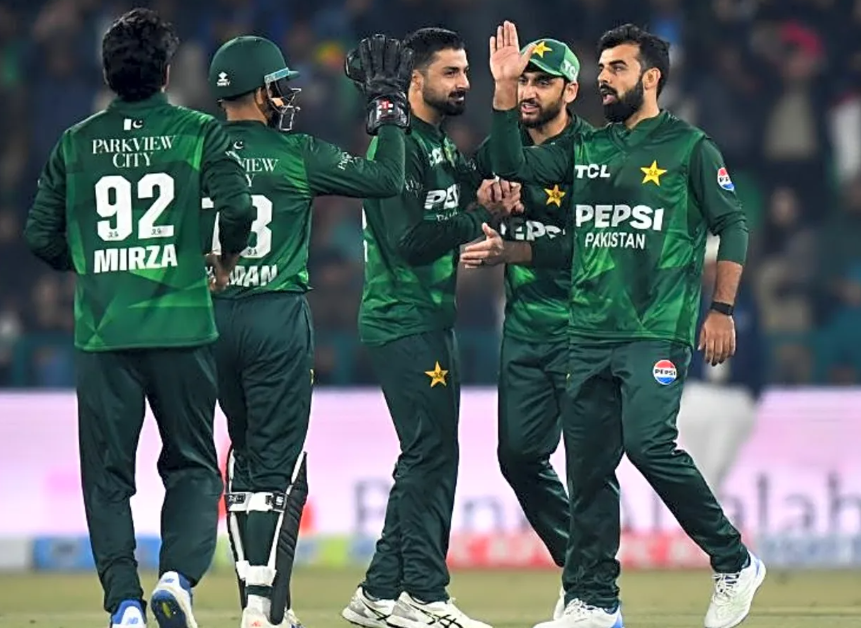
The 2026 ICC Men’s T20 World Cup gets underway tomorrow as Pakistan face the Netherlands in the opening match of the tournament, hosted jointly by Sri Lanka and India.
Cricket’s leading nations have gathered across the subcontinent, with the curtain-raiser taking place at the Sinhalese Sports Club Cricket Ground in Colombo. But before a ball has been bowled, the tournament has already been overshadowed by a major geopolitical flashpoint.
Pakistan have confirmed they will not play their scheduled group match against India on 15 February, a decision that has sent shockwaves through world cricket and reignited long-standing tensions between the two nuclear-armed neighbours.
The boycott follows controversy surrounding the withdrawal of Bangladesh from the competition. The Bangla Tigers declined to travel to India for a scheduled fixture, citing safety concerns. Their subsequent removal from the tournament and replacement by Scotland, has been viewed in Pakistan as an uneven application of tournament protocols, prompting Islamabad to take a firm stance.
An India–Pakistan clash is one of the most politically charged rivalries in global sport, shaped by decades of conflict, unresolved territorial disputes over Kashmir, diplomatic breakdowns and sporadic military escalations since Partition in 1947. Cricketing ties between the two nations have frequently been disrupted by wider political relations, with bilateral series now a rarity and meetings largely confined to ICC tournaments at neutral venues.
That rivalry will not be renewed this time.
Pakistan Prime Minister Shehbaz Sharif confirmed the decision, stating: “We have taken a very clear stance on the T20 World Cup. We will not play the match against India because there should be no politics on the sports field.”
In a separate statement, the Government of Pakistan said the national side would continue to compete in the tournament but would forfeit their third group-stage fixture.
Pakistan and India were drawn together in Group A alongside the Netherlands, Namibia and the United States. Should Pakistan formally forfeit the match, defending champions India will be awarded an automatic win, a significant advantage in a tightly contested group.
The decision places additional pressure on Pakistan, who will now need to secure victories in their remaining three matches to stand a realistic chance of reaching the second stage of the competition.
At the 2024 T20 World Cup, the two sides were also grouped together, with India finishing top and Pakistan third. Their meeting that year saw India edge a tense contest by six runs on their way to lifting the trophy, a reminder of how narrow the margins often are when the rivals meet.
Meanwhile, fellow co-hosts Sri Lanka have written to Pakistan expressing concern over the potential boycott. Colombo had been designated as the venue for the India–Pakistan fixture after the International Cricket Council ruled that matches between the two nations should be held at neutral locations.
That policy followed India’s refusal to travel to Pakistan for last year’s Champions Trophy, which resulted in fixtures being relocated to the United Arab Emirates.
With diplomacy once again spilling onto the cricket field, the World Cup begins under a cloud, raising fresh questions about whether sport can ever be fully separated from politics when history, identity and national security are never far from the surface.


