

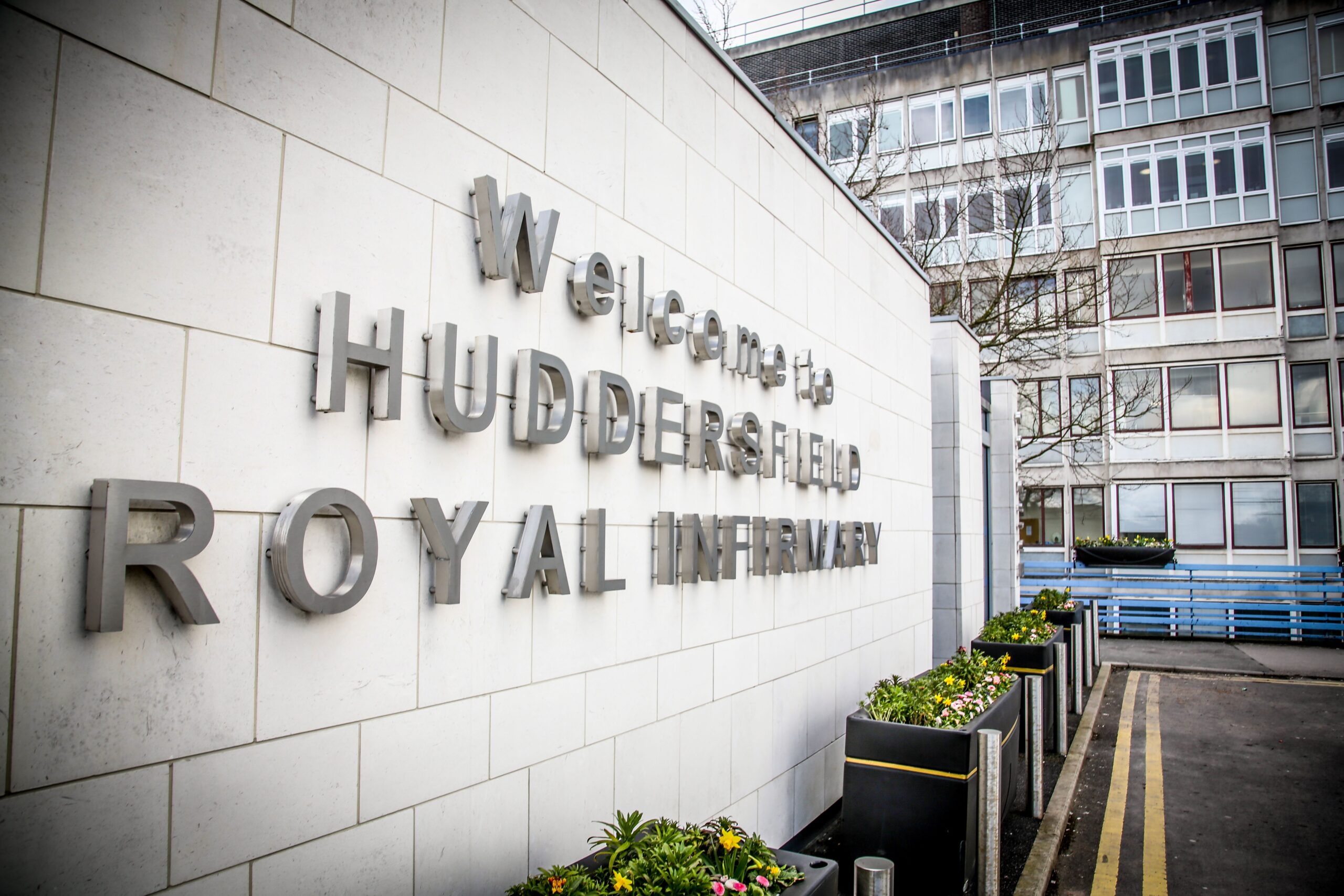
Patients at Huddersfield Royal Infirmary’s emergency department were served breakfast next to open blood samples and an exposed needle, according to a Care Quality Commission (CQC) inspection that led to the service being downgraded.
The CQC’s final inspection report, published on 1 June , rated the hospital’s Urgent and Emergency Care service as Requires Improvement, down from its previous Good rating.
Hospital representatives appeared before the Calderdale and Kirklees Joint Health Scrutiny Committee on Thursday (6 August), where they acknowledged improvements were needed. The inspection found staff did not always manage infection risks appropriately. In one incident, inspectors observed a patient’s breakfast being placed on a metal phlebotomy trolley alongside open blood cultures and an exposed needle.
The findings prompted concern from councillors.
Calderdale cllr Cathy Featherstone described the incident as “not acceptable” and questioned whether it reflected wider cultural issues within the department.
Speaking during the meeting, she said infection prevention should be a fundamental part of clinical practice. “I would expect infection control practices to be part of basic clinical training, not something that needs to have an extra policy,” she said.
“I would also expect staff to be looking out for unsafe practices. Risks like this should be obvious.”
Chief Nurse at Calderdale and Huddersfield NHS Foundation Trust, Jo Hilton, said the Trust recognised the issues raised and had introduced additional support for frontline staff. She told councillors regular safety huddles now take place within the department to identify any pressures and ensure staff receive the support needed to provide safe care.
Emergency medicine consultant Dr Mark Davies also addressed the incident, saying no member of staff deliberately intended for such situations to occur. “No staff member comes to work with the aim of leaving somebody’s dinner next to a needle,” he said.
Dr Davies said emergency departments often deal with more than 100 patients at a time, including critically ill people, making it challenging to maintain standards during periods of extreme pressure.
“The question is how do we make sure we give the same priority to this when departments are really, really busy versus not that busy,” he said.
The Trust has committed to implementing the action plan agreed following the inspection and will continue providing regular progress updates to its board.


