

One of the companies involved in the ship collision that spilled an estimated one billion plastic pellets into the River Tyne has admitted the response has “not met community expectations” as pressure grows to speed up the clean-up. Large quantities of plastic nurdles have washed up along North East beaches since the collision between the Wind Orca and the berthed container ship BG Orange at the Port of Tyne on 19 July.
The incident has prompted a major clean-up involving local authorities, environmental organisations and volunteers amid concerns over the long-term impact on wildlife and the coastline.
In a letter to North East Mayor Kim McGuinness, Cadeler chief executive Mikkel Gleerup acknowledged criticism over the pace of the response and said additional specialist resources had now been deployed. He said: “I recognise that the pace of the initial mobilisation of specialist contractors has not met community expectations.
“Cadeler shares the view that time is of the essence, and we are pleased to see that significant specialist resources are now deployed.”
Mr Gleerup said the owners and insurers of the BG Orange were coordinating the pollution response, with marine consultancy Solis Marine managing the spill and Briggs Marine leading clean-up operations. The Port of Tyne has also appointed environmental specialists Ambipar to assist with the recovery effort. He added that Cadeler remained committed to supporting efforts to minimise the environmental impact on local communities and wildlife.
The admission comes after Ms McGuinness wrote to Cadeler and BG Freight Line last week demanding the companies cover the cost of what she described as a “long and expensive” clean-up operation. She argued the firms had a “moral duty” to take responsibility for what has been described as one of Europe’s worst recorded nurdle pollution incidents.
Responding to Cadeler’s letter, the mayor welcomed the commitment to increase resources but said she would continue pressing the companies until the clean-up is complete. She said: “It’s crucial that the shipping firms responsible for spilling plastic nurdle pollution on our precious beaches pay for the clean-up. They now have dedicated contractors working on the clean-up and they’ve admitted they need to move faster. This is a great start but I’ll continue to hold them to that and push to make sure they continue with this until the clean-up is complete.”
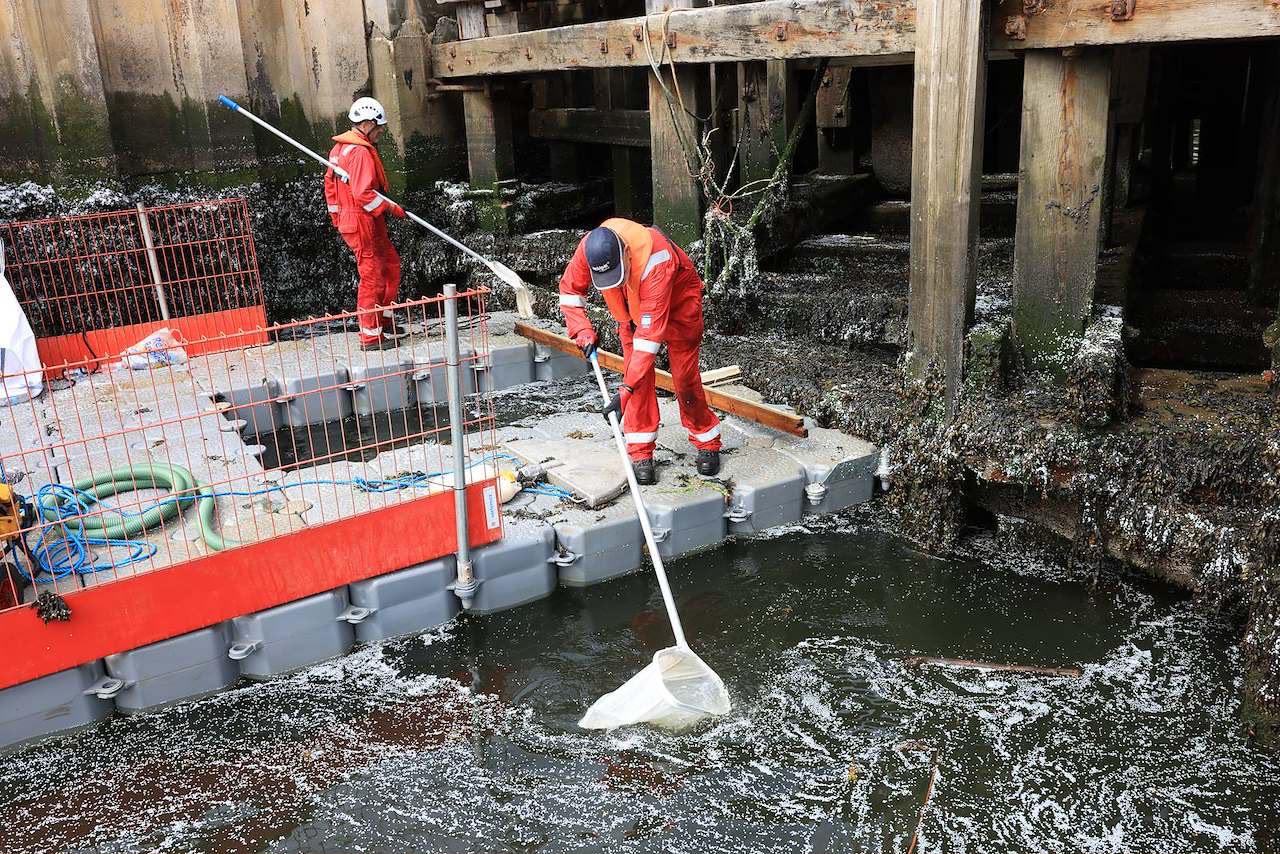
The Port of Tyne has already installed floating containment barriers around the BG Orange to prevent further pellets entering the river, while specialist vessels continue recovery work on the water.
Meanwhile, volunteers have spent days collecting the tiny plastic pellets from beaches across the North East as authorities warn the environmental recovery could take months.


