

A remarkable collection of Mughal calligraphy, created more than four centuries ago by master artists at the imperial courts of India, has been temporarily prevented from leaving the United Kingdom following government intervention.
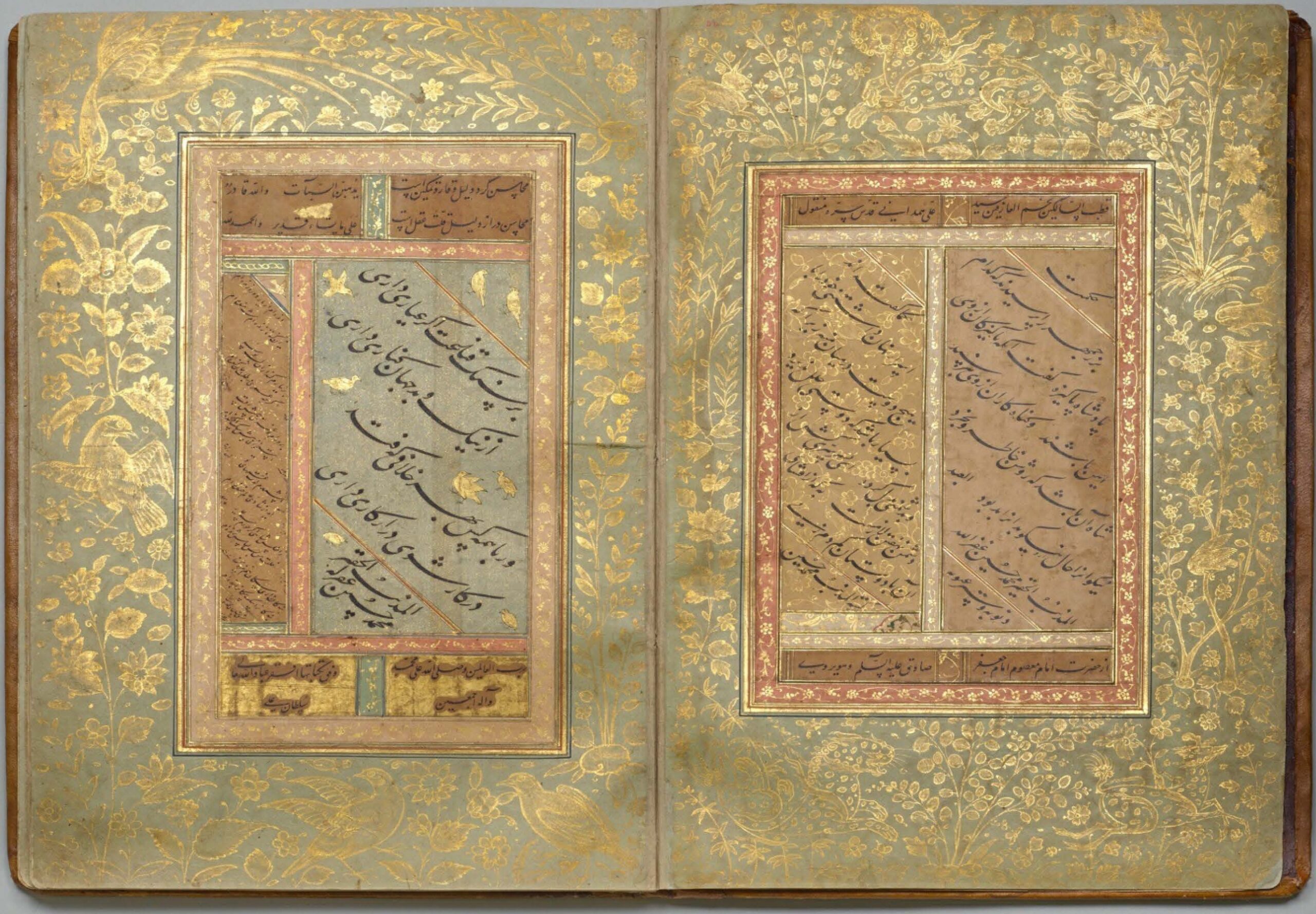
The two precious volumes, valued at £900,000, contain some of the finest surviving examples of Mughal calligraphy, offering a rare glimpse into the extraordinary artistic and cultural achievements of one of South Asia’s most influential empires.
The UK Government has imposed a temporary export bar, giving British museums, galleries and potential benefactors an opportunity to acquire the collection and ensure it remains accessible to the public and future generations.
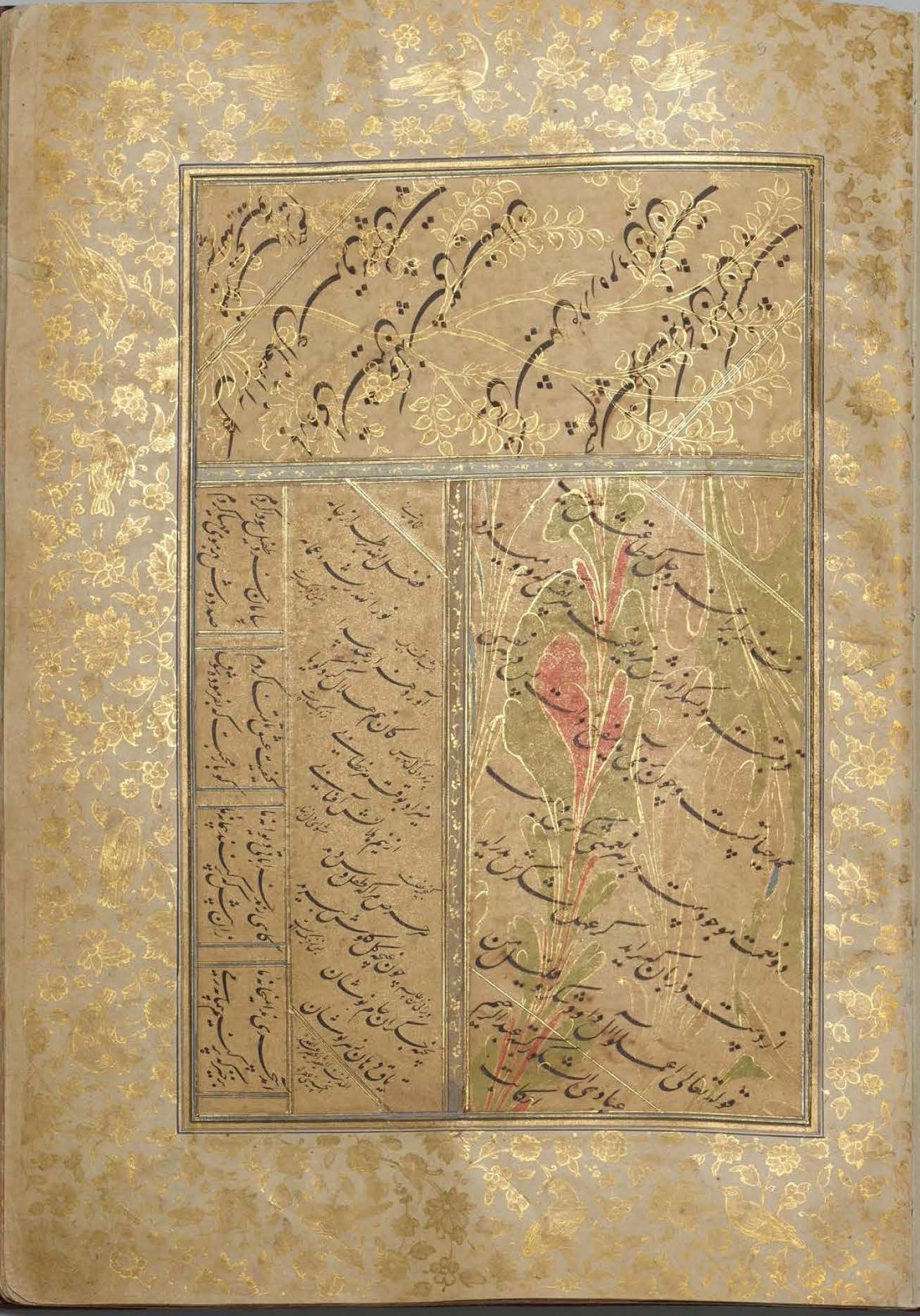
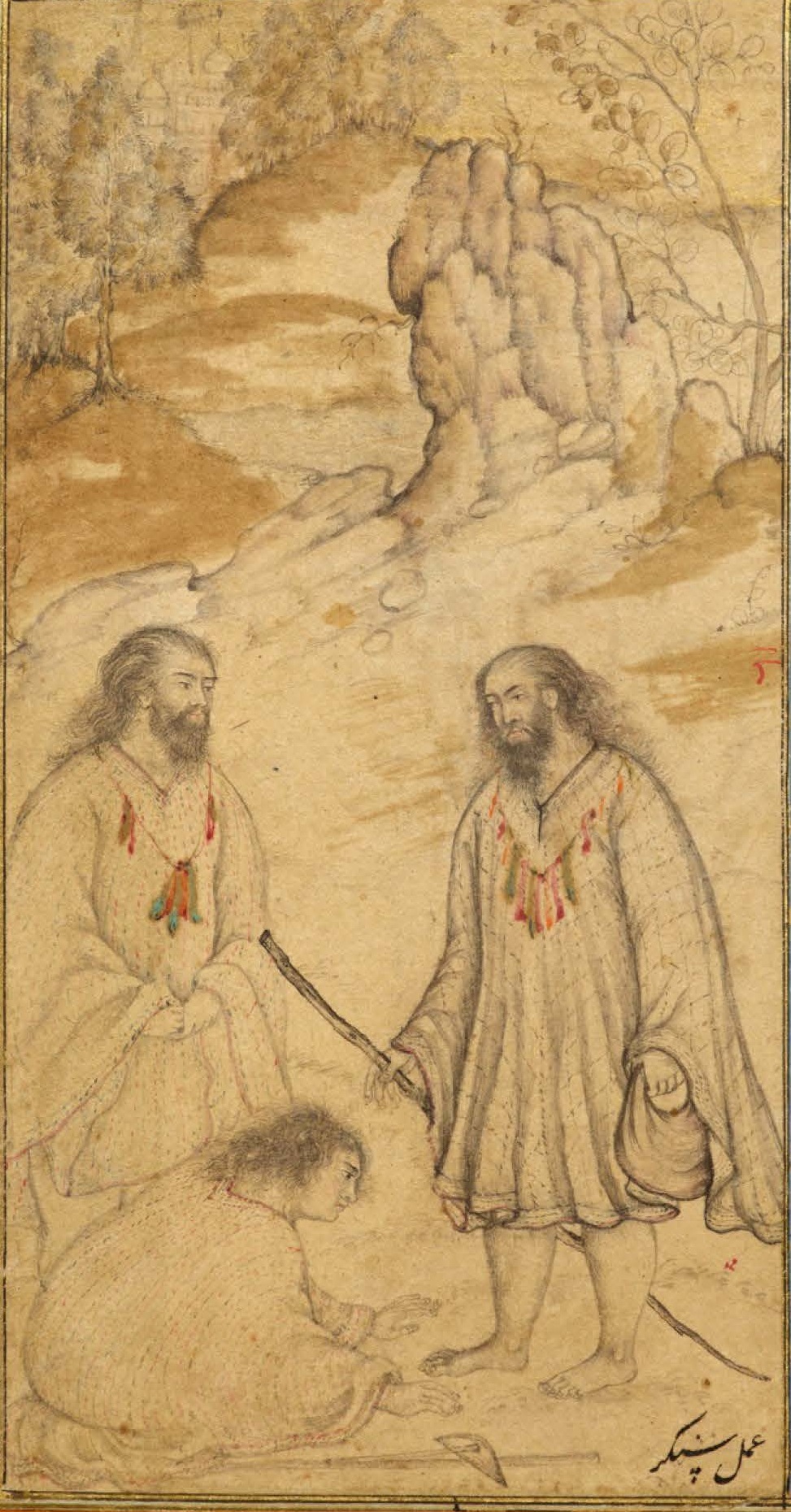
At the heart of the collection are 29 exquisitely decorated leaves, featuring intricate gold embellishments, delicate floral patterns and animal motifs, alongside the work of some of the most celebrated calligraphers in Mughal history.
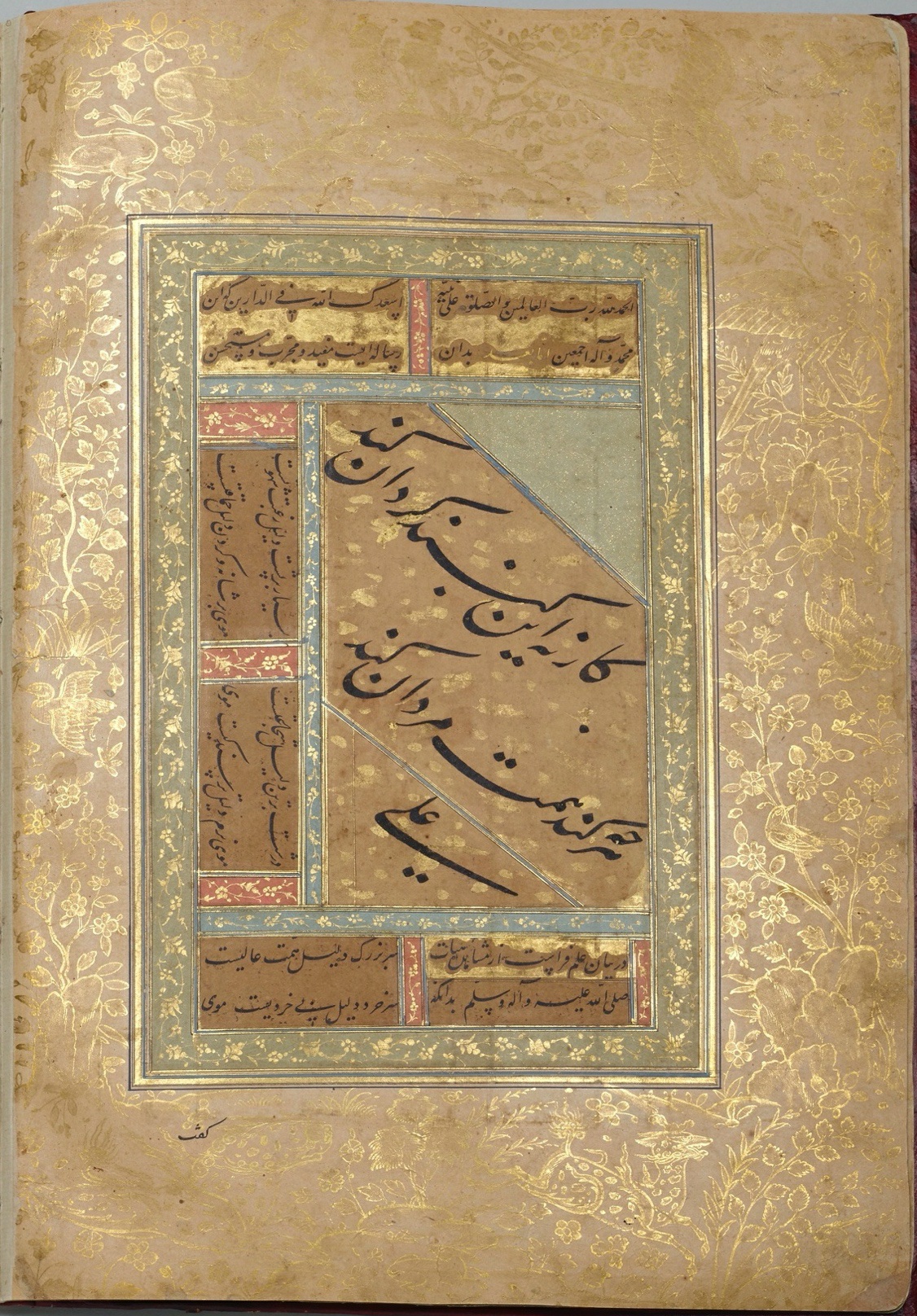
Among them is Muhammad Hussain Kashmiri, the distinguished royal calligrapher of Emperor Akbar, whose extraordinary precision and artistic skill earned him a place among the most respected figures of the Mughal court.
The volumes also contain rare examples of work by Abd al-Rahim al-Haravi, another renowned master whose calligraphy reflects the sophistication and artistic excellence of the imperial period.
A Priceless Window into South Asian Heritage
The manuscripts date from a period of extraordinary cultural development under Mughal Emperors Akbar and Jahangir, when art, literature, architecture and scholarship flourished across the Indian subcontinent.
The Mughal Empire, which ruled large parts of South Asia from the 16th to the 19th centuries, left an enduring legacy that continues to shape the region’s cultural identity.
While its architectural achievements, including the Taj Mahal, are recognised around the world, the empire’s equally remarkable traditions of manuscript illustration and calligraphy remain less widely understood.
Calligraphy was far more than decorative writing in the Mughal court. It represented intellectual accomplishment, artistic prestige and imperial authority, with beautifully produced manuscripts also playing important roles in diplomatic exchanges and relations between royal courts.
The newly protected volumes offer researchers an opportunity to investigate these traditions, including the techniques employed by imperial artists and the ways in which such manuscripts were assembled, exchanged and preserved.
Their survival is particularly significant because relatively few comparable collections have remained intact over the centuries.
‘These Sheets Hold Secrets’
Heritage Minister Baroness Twycross said the exceptional quality of the manuscripts made their preservation particularly important.
“Calligraphy of this quality and from such prestigious calligraphers is extraordinarily rare. These sheets hold secrets that researchers are desperate to unlock.
“Keeping these volumes in the UK, where the public and researchers can access them, will create a perfect opportunity to discover
more about how they were created and the vital role they played in the history of diplomacy.”
The decision follows advice from the Reviewing Committee on the Export of Works of Art and Objects of Cultural Interest, which concluded that the volumes were of outstanding aesthetic importance and exceptional value to scholarship.
Committee member Caroline Shenton described the manuscripts as “sublimely beautiful”, highlighting the remarkable craftsmanship of the Mughal court’s leading artists.
She also pointed to unanswered questions surrounding the manuscripts’ history, including how the original leaves were dispersed and subsequently rebound into volumes.
Of particular interest is their possible relationship with similar Mughal folios held in the Royal Collection.
Shenton warned that opportunities to investigate these connections could be diminished if the volumes were permanently exported.
“I therefore very much hope that a UK institution will step forward to ensure that they are not lost to the nation and to scholarship,” she said.
A Wider Question of Cultural Heritage
The government’s intervention also draws attention to the importance of preserving and providing access to South Asian cultural heritage within Britain’s museums and collections.
For British South Asian communities, including those with roots in India, Pakistan and Bangladesh, the manuscripts represent a connection to a shared historical and artistic tradition that stretches back centuries.
Their significance extends beyond their financial valuation. They provide tangible evidence of the intellectual, artistic and cultural contributions of the Mughal period, offering younger generations an opportunity to engage with a history that continues to resonate across South Asia and its diaspora.
The case also raises wider questions about how rare South Asian artefacts held in Britain should be preserved, researched and made accessible, and how communities connected to their cultural origins can participate in conversations about their future.
Although the export bar is intended to retain the volumes in the UK, it does not resolve broader debates about the ownership, interpretation and international accessibility of historic cultural objects.
Race Against Time to Raise £900,000
The temporary export restriction means potential purchasers have until 15 February 2027 to register their interest in acquiring the manuscripts.
 The recommended purchase price has been set at £900,000.
Following the initial deferral period, the owners will have 15 business days to consider any purchase offers. If an option agreement is signed, a further four-month deferral period will allow the prospective buyer additional time to complete the acquisition.
The government hopes a UK museum, gallery, charitable organisation or private benefactor will come forward with the necessary funding.
A private individual could also purchase the volumes and donate them to a public institution, ensuring that researchers and visitors can continue to study and appreciate them.
However, the restriction is temporary rather than a permanent prohibition on export. If a suitable purchaser cannot be found and the relevant conditions are met, the manuscripts could ultimately be permitted to leave Britain.
For now, the future of these extraordinary works remains uncertain.
What is clear is that the volumes represent far more than beautifully decorated pages. They are surviving witnesses to an era when South Asian artists, scholars and calligraphers helped shape one of the world’s great cultural traditions.
Whether these 400-year-old Mughal masterpieces remain accessible in Britain will now depend on whether an institution or benefactor is prepared to invest £900,000 in preserving their future.

