


The North East economy is at risk of losing tens of millions of pounds if a new tax on international student fees is imposed, university and business leaders have warned.
Labour ministers have proposed charging a 6% levy on tuition fees paid by overseas students in England, which education secretary Bridget Phillipson announced will be used to pay for the return of means-tested maintenance grants for some learners from lower-income households.
But the organisation representing some of England’s top universities, including Newcastle and Durham, claims that the move is the “wrong way” to reintroduce the grants abolished under the Conservatives in 2016 and risks doing “more harm than good”.
There are concerns that universities would pass the impact of the levy onto international students through tuition fee hikes, rather than absorbing the costs at a time when the higher education sector has been experiencing major budget cuts, resulting in a fall in the number of people coming from overseas to study in the UK.
The Russell Group said that international students currently make up almost a third of the student population at its universities in the North East – and account for over a quarter of their collective income.
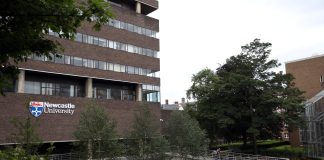
A study from the Higher Education Policy Institute found that the levy would cost Durham University £10 million and Newcastle University £9 million, putting them in the top twenty worst affected institutions in the country.
Research by Public First has also warned that the North East stands to lose £87 million in the first year of a levy due to projected falls in international student numbers, which it estimates at 77,000 nationally over five years.
It names Newcastle Central and West as the constituency potentially suffering the eighth biggest hit in the country, just under £30 million in Gross Value Added (GVA), with the City of Durham predicted to lose £14.5 million and Sunderland Central £12.5 million.
Henri Murison, chief executive of the Northern Powerhouse Partnership, said bringing back maintenance grants would help more young people in the North access higher education – but that funding them through this levy “risks undermining the financial sustainability of universities”.
Mr Murison added: “This will mean losing a significant amount of the subsidy for domestic students that their international counterparts currently provide. If there are over 135,000 fewer places across largely our leading world class institutions for domestic students that is fewer opportunities, including for the most disadvantaged. We know that in cities like Manchester, Leeds, Sheffield and Newcastle there are constituencies with over £30 million in GVA to lose along with similar places in London, West Midlands and Scotland.”
Newcastle University said last year that it was facing a £35 million financial black hole due to a decline in international students and has since slashed £20 million from its wage bill, with cuts having sparked prolonged strike action from academics.
Durham University also announced in January that it had to cut costs by £20 million over two years.
Dr Tim Bradshaw, chief executive of the Russell Group, said: “Universities like Newcastle and Durham, and many others across the North East, contribute a huge amount to their local areas – from providing skills and training to the local workforce, to ground-breaking research and infrastructure projects. If the proposed levy goes ahead, it will add greater pressure on an already financially precarious sector to the detriment of the very students and communities that government is looking to support.
“Reinstating maintenance grants has been a long-standing campaign for us because we know financial pressures are a huge challenge for students – especially those from under-privileged backgrounds. In fact, universities already spend millions of pounds each year on widening access, including bursaries and hardship funds. This spending would also be at risk if the levy goes ahead.”
The Department for Education was contacted for a response.
It said last month that the levy would “maintain a competitive offer for international students while ensuring the benefits are shared more visibly at home, directly benefiting disadvantaged domestic students”.


