

Ask anyone who has travelled from India to Spain and they will often point to the unexpected similarities. Long family meals, close-knit communities, colourful festivals and even familiar-sounding words all make the two cultures feel surprisingly connected.
In Spanish, naranja is the word for orange, while in Hindi and Urdu, narangi refers to the colour orange. “Tu” means “you” in both languages. Even the Spanish word policía sounds familiar to many South Asians, particularly to people from parts of Bihar, where a similar pronunciation is often used, similarity that has inspired countless memes online.
But the similarities do not end with language or culture.
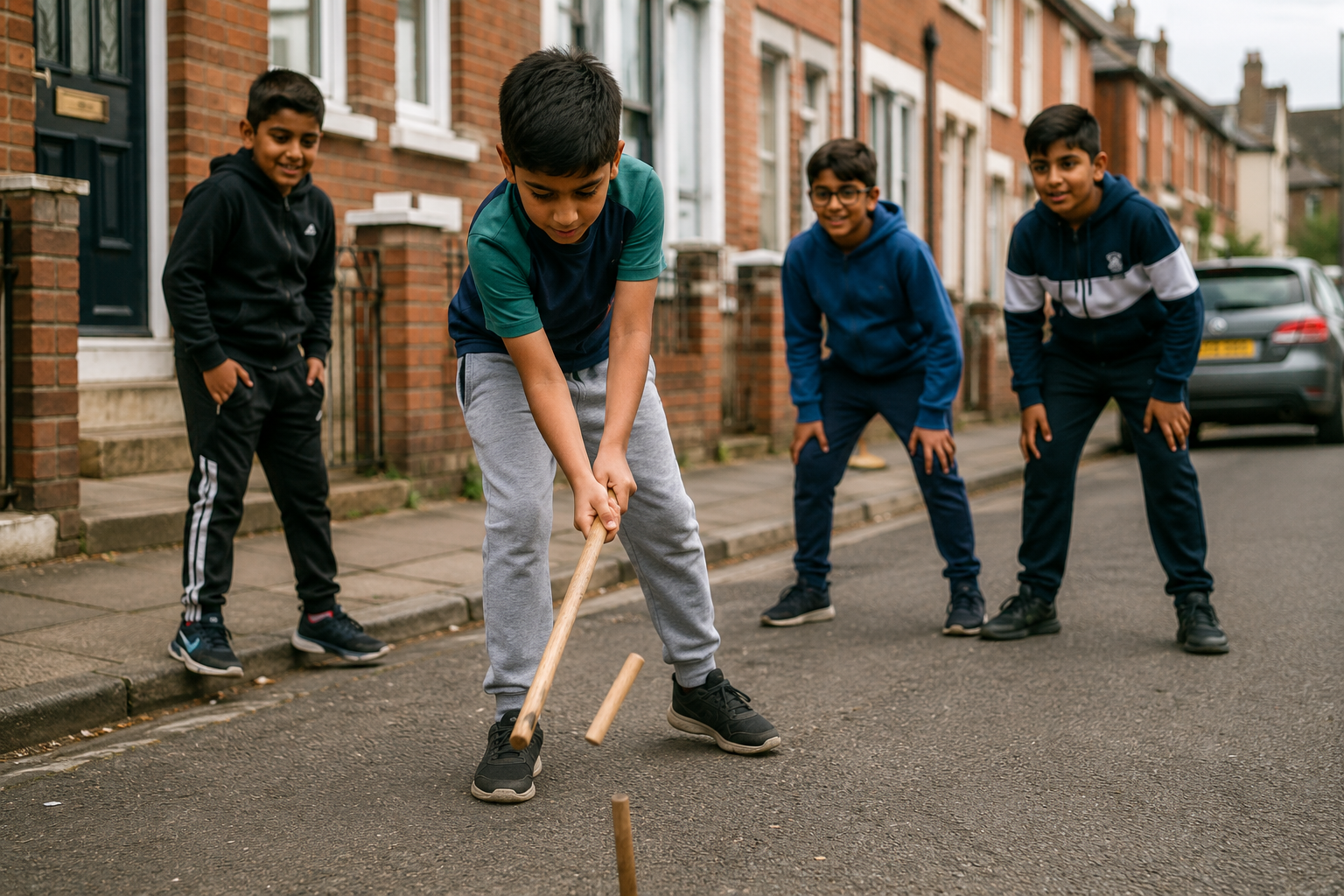
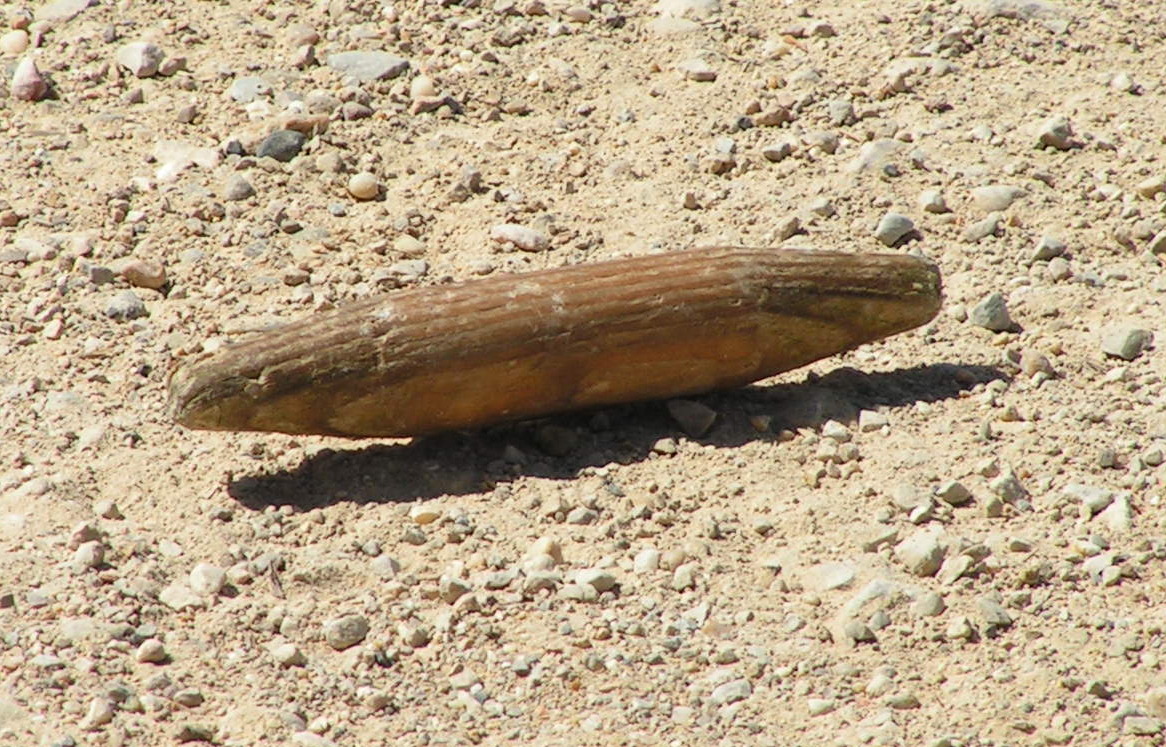
Believed to be more than 2,500 years old, Gilli Danda is one of the oldest traditional games from the Indian subcontinent and is often described as an early ancestor of cricket. The game is played using two wooden sticks: the larger stick, known as the danda, and the smaller stick, known as the gilli.
Over time, however, the game gradually disappeared from everyday life. Urbanisation, shrinking open spaces, the rise of organised sports and the growing popularity of digital entertainment pushed many traditional street games into the background. Today, for many younger South Asians, Gilli Danda survives only through stories told by parents and grandparents.
But the game has found an unexpected second life.
Across the world, it has survived under different names. It is known as Klipa in Poland, Quimbumbia in Croatia, Dandibiyo in Nepal, Pee-Wee in the United States, Tip Cat in the UK and parts of Europe, and Billarda in Spain.
Interest in the game resurfaced after a video circulated online showing people playing Billarda in Spain. Native to the Galicia region, Billarda dates back to at least the 13th century and remains an active part of local sporting culture.
Unlike many traditional games that disappear with time, Billarda has been preserved by formal organisations. The Galician Federation of Indigenous Sports oversees competitions, leagues and championships, ensuring the game continues to attract new generations of players.
Through a modern sporting framework, Billarda continues to thrive with structured competitions, dedicated players and an organised governing body.
The contrast with South Asia is striking.
While one country largely allowed a centuries-old street game to fade into memory, another transformed a similar pastime into an organised sport that continues to attract players and spectators.
What Billarda offers South Asian heritage is more than nostalgia. For the South Asian diaspora, this is about far more than a childhood game. It is a reminder that cultural heritage does not survive on nostalgia alone. Traditions remain alive only when communities continue to celebrate, organise and pass them on.
Perhaps the real story is not that Spain still plays Billarda. It is that South Asia needed Spain to remind it of a game it once called its own.
Gilli Danda is not the only traditional game that has quietly disappeared from neighbourhoods across the subcontinent. But Billarda shows that revival is possible. Sometimes, all a tradition needs is for someone to keep playing.


