


British Sikh leaders have condemned both the murder of teenager Henry Nowak and the violent disorder that followed in Southampton, warning against attempts to blame an entire community for the actions of one individual.
The case has sparked national debate over policing, race, community relations and public trust after bodycam footage showed 18-year-old Henry Nowak handcuffed by police as he repeatedly told officers, “I’ve been stabbed” and “I can’t breathe” moments before he died.
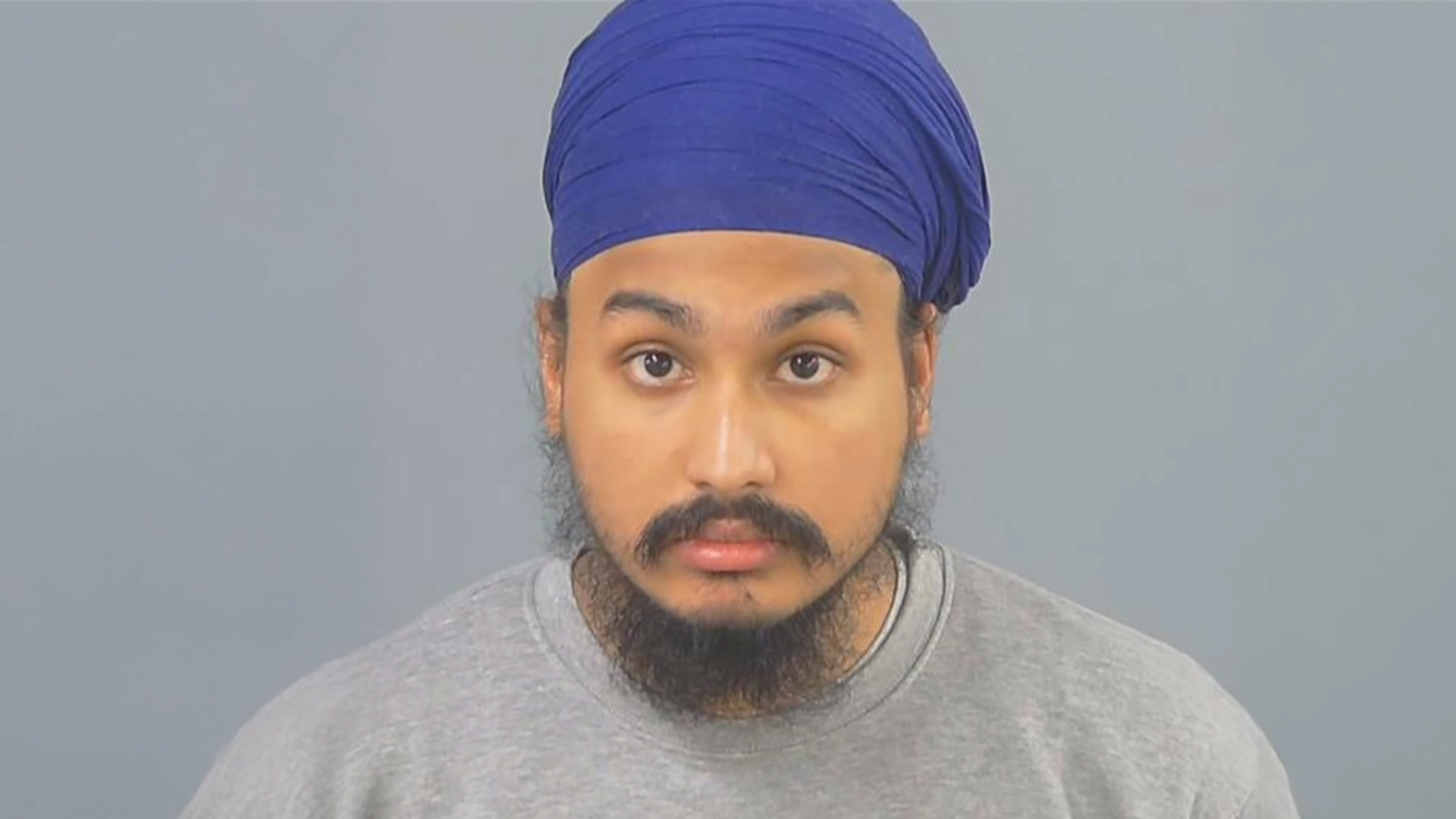
Vickrum Digwa, 23, was jailed for life with a minimum term of 21 years after being convicted of murdering the University of Southampton student on 3 December 2025.
Nowak, from Chafford Hundred in Essex, was a first-year student at the university and had been walking back to his accommodation alone after a night out with friends. The court heard he had consumed alcohol but remained below the drink-drive limit.
Digwa was carrying a 21cm blade in Belmont Road at around 11.30pm when he attacked the teenager. Prosecutors said Henry was stabbed five times, including wounds to his legs, face and a fatal stab wound to the chest.
Neighbours later heard Henry shouting that he had been stabbed and was dying. The teenager attempted to escape by climbing over a fence, leaving a trail of blood behind him.
The attack itself was not witnessed.
Following the stabbing, Digwa falsely claimed he had been racially abused and attacked by Henry and had acted in self-defence. He told police that his turban had been knocked off and that he had been injured.
Bodycam footage released by Hampshire and Isle of Wight Constabulary with the permission of Henry’s family shows officers arriving at the scene and initially focusing their attention on Digwa.
Henry can be seen lying on the ground telling officers he has been stabbed and repeatedly saying: “I can’t breathe.”
The footage shows officers handcuffing Henry behind his back and turning him onto his side. After several minutes he becomes unresponsive. An officer can then be heard informing him he is under arrest for assault.
An ambulance was subsequently called, but Henry died at the scene.
The footage has caused widespread public outrage and prompted an investigation by the Independent Office for Police Conduct (IOPC).
Speaking after the sentencing, Henry’s father, Mark Nowak, described the contrast between the treatment of his son and his killer as “unbearable”.
“Henry should not have died on the streets of Southampton in police custody,” he said.
“Henry did not die with dignity. He did not die with the care he deserved. He lost consciousness before anyone believed him.”
Calling for a “full, fearless and transparent” investigation, he added that the family “should not have to fight for the truth”.
Judge William Mousley KC dismissed Digwa’s claims of racism and self-defence, telling the defendant he had brought “shame” upon both his family and his religion.
The judge said Digwa’s actions had stirred racial tension across Southampton and beyond, leaving many Sikhs concerned about their own safety.
Prosecuting barrister Nicholas Lobbenberg KC described Digwa as having a “weapons obsession” and said his attempts to portray Henry as a racist aggressor compounded the grief suffered by the teenager’s family.
Police later recovered the murder weapon from Digwa’s family home after it had been handed to his mother, Kiran Kaur. More than 20 other weapons were also found at the property. Kaur was convicted of assisting an offender and will be sentenced on 17 July.
The case has since become a lightning rod for wider political debate, with Prime Minister Sir Keir Starmer describing it as an “awful, shocking case” and acknowledging there were serious questions surrounding the police response.
Yet as public anger has grown, Sikh leaders have repeatedly urged people not to allow the actions of one individual to define an entire faith community.
In a rare joint intervention, 11 Sikh MPs issued a statement expressing solidarity with Henry’s family while stressing that the murder should not be viewed through the lens of religion.
“We stand in solidarity with the family and loved ones of Henry Nowak following the senseless and tragic loss of his life,” the statement said.
“This case was about the murder of Henry Nowak by Vickrum Digwa. It was not about religion or racism. It was the criminal act of an individual who alone bears responsibility for his actions.”
The MPs acknowledged widespread concerns over the body-worn footage and backed calls for full scrutiny of the police response.
“We are deeply distressed by the circumstances surrounding Henry’s death, including the body worn video footage and the treatment he received in his final moments.”
The statement urged the public not to allow the actions of “one murderer” to fuel hostility towards innocent people.
Among the signatories were Slough MP Tanmanjeet Singh Dhesi, Southampton Test MP Satvir Kaur, APPG British Sikhs Chair Jas Athwal and several Sikh MPs from across England.
Kaur, whose constituency includes the area where Henry was killed, was unequivocal in rejecting attempts to associate the crime with Sikhism.
“It is absolutely right that a single person’s evil act is not representative of an entire community,” she said.
Kaur backed calls for a thorough and transparent investigation and said questions around religious exemptions and knife legislation should be examined.
“What I’m calling for, which is what Henry’s father has called for as well, is to ensure that this investigation is thorough and properly resourced and it’s open and transparent.”
Tanmanjeet Singh Dhesi said the Sikh community had been left “shamed and shocked” by the murder and warned many Sikhs were now fearful about the wider political climate and rhetoric circulating online.
The murder has also prompted discussion about the kirpan, the ceremonial article of faith carried by initiated Sikhs.
However, Sikh organisations have strongly challenged suggestions that the case reflects mainstream Sikh practice.
The Sikh Federation said the blade used by Digwa was not a religious knife and criticised suggestions that the murder weapon should be viewed as representative of Sikh religious observance.
During sentencing, the judge noted Digwa was a member of the Nihang order, a Sikh tradition in which some followers carry a second visible blade. However, he made clear this was not a strict religious requirement.
The Sikh Press Association said work was already under way to engage directly with initiated Sikhs across the UK regarding kirpan rules, responsibilities and public understanding of the faith.
The release of the bodycam footage triggered protests in Southampton, with hundreds gathering outside Southampton Central Police Station.
The demonstrations later descended into disorder.
Hampshire Police said 11 officers and a police dog were injured after missiles, flares and makeshift weapons were thrown at officers.
Home Secretary Shabana Mahmood condemned the violence, while Hampshire Police and Crime Commissioner Donna Jones described the case as a “national tragedy”.
Jones said it was devastating that officers did not believe Henry when he repeatedly said he had been stabbed and could not breathe.
For many British South Asians, the case raises difficult questions about policing, fairness, accountability and trust.
But across political parties, faith groups and community organisations there remains broad agreement on one point: justice for Henry Nowak must not become an excuse for hatred, division or hostility towards innocent communities.
The focus, they argue, must remain on truth, accountability and ensuring that lessons are learned from a tragedy that has shocked the nation.


