


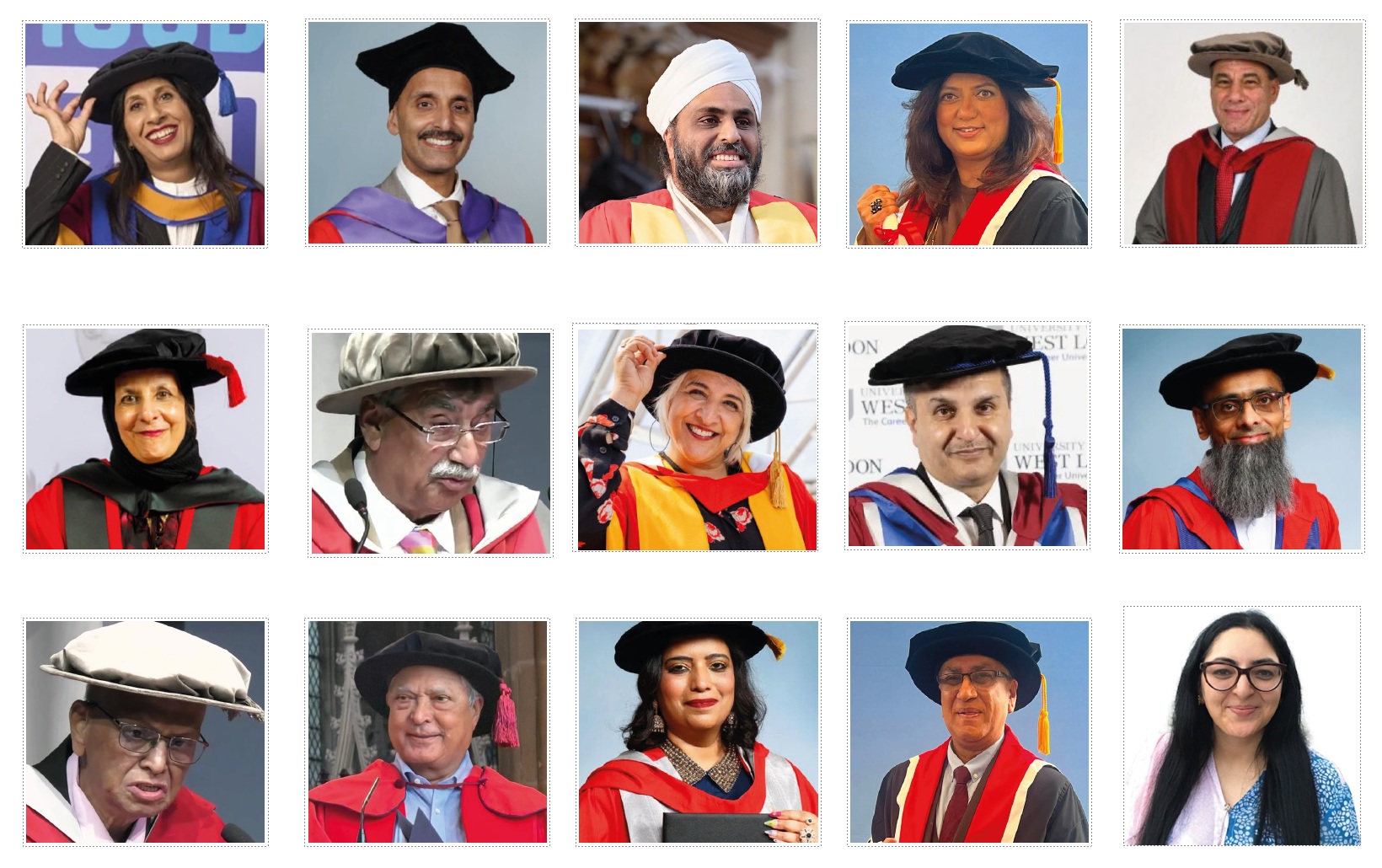
From medicine and mental health to engineering, law, business, education, journalism and the arts, universities across England have recognised a remarkable group of people of South Asian heritage with honorary degrees and fellowships in 2026. Asian Standard celebrates this year’s recipients and the remarkable journeys that brought them back to the graduation stage.
Every summer, thousands of students walk across graduation stages to collect the degrees they have spent years working towards.
Alongside them are a select group of individuals invited onto those same stages for a very different reason.
Honorary degrees and fellowships are among the highest accolades a university can bestow, recognising people whose influence has extended far beyond academia and whose work has left a lasting mark on society.
This year’s recipients paint a remarkable picture of South Asian excellence across Britain.
From pioneering doctors improving healthcare and entrepreneurs building global businesses, to engineers transforming lives through innovation and community leaders changing opportunities for future generations, their stories demonstrate that success is measured not simply by what is achieved personally, but by the impact left on others.
Some have become household names. Others have quietly dedicated decades to serving communities without seeking recognition. Their paths could hardly be more different, yet they are united by a common thread: each has used their knowledge, experience and determination to create opportunities beyond themselves.
Among this year’s recipients is a moment of particular pride for Asian Standard.
Its founder and Editor-in-Chief, Fatima Patel, has joined an exceptional group of South Asian leaders honoured by Britain’s universities, recognising a career spent championing community journalism and ensuring diverse voices have a place within the national conversation.
Together, this year’s honorary graduates offer a powerful reminder to every student leaving university that there is no single route to making a difference.
Lubna Shuja – Leeds Beckett University
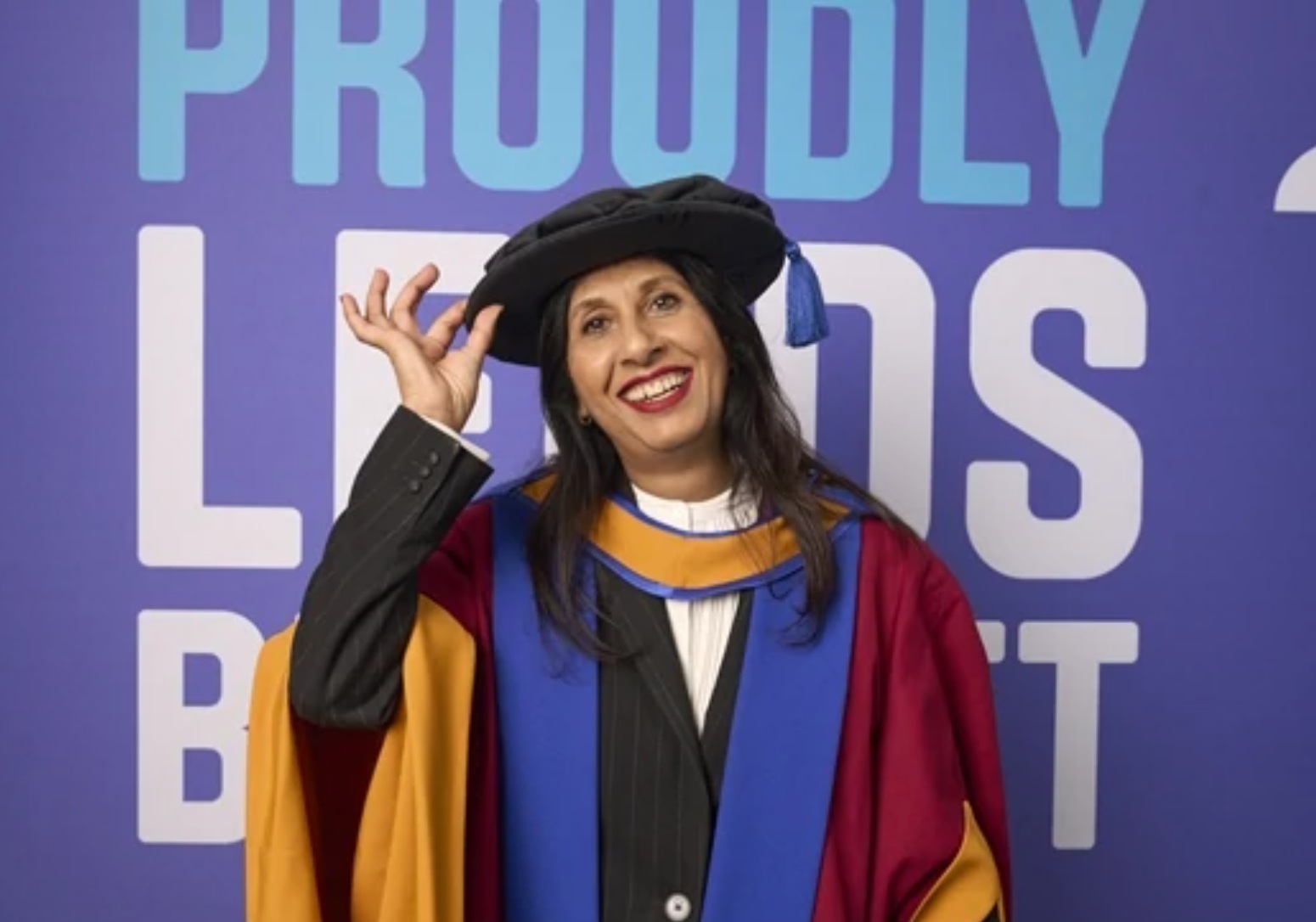
Few people have broken more barriers within Britain’s legal profession than Lubna Shuja.
Awarded an Honorary Doctor of Laws by Leeds Beckett University, Lubna’s recognition celebrates not only an outstanding legal career, but decades spent championing diversity, inclusion and ethical leadership.
Born and educated in Yorkshire, she qualified as a solicitor in 1992 before making history in 2022 when she became the 178th President of the Law Society of England and Wales, the first Asian, the first Muslim and only the seventh woman to hold the office in its nearly 200-year history.
Receiving the award, Shuja described herself as “deeply honoured”, reflecting that throughout her career she had remained committed to promoting fairness, inclusion and ethical practice. She expressed the hope that her own journey would inspire others to pursue their ambitions while creating positive change within their professions and communities.
The honorary doctorate is the second such recognition of her career, having previously received an honorary doctorate from Aston University in 2024.
Dr Amir Khan – University of Liverpool
Returning to the University of Liverpool as an honorary graduate allowed Bradford GP, author and broadcaster Dr Amir Khan to reflect not
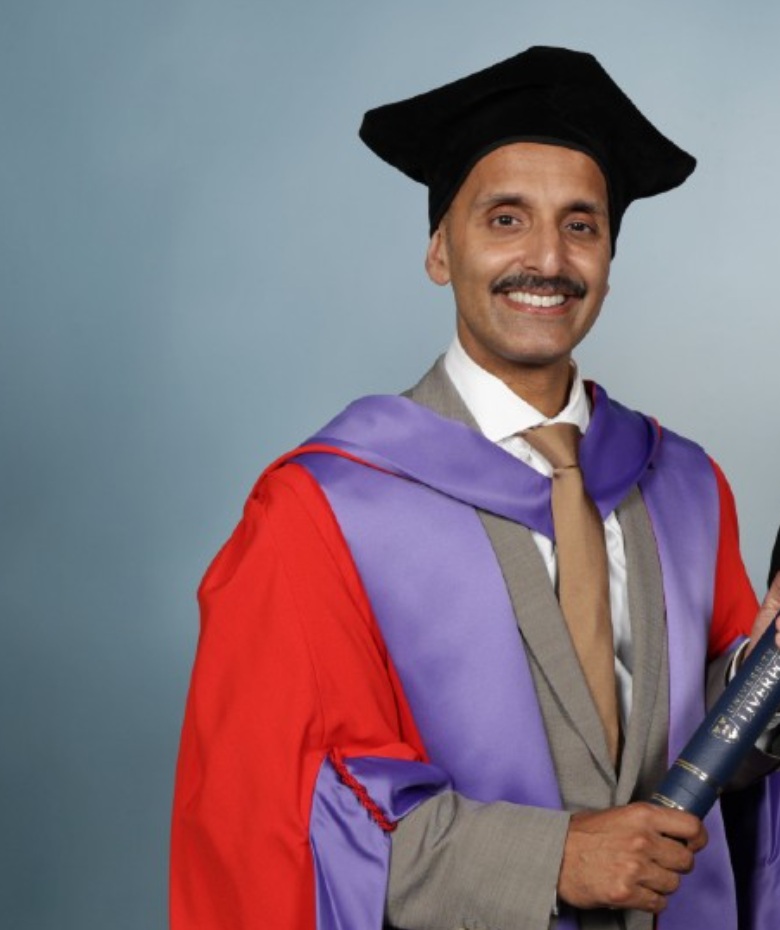
only on how far his career had travelled, but on the values that had guided him throughout.
Dr Amir has become one of Britain’s most recognisable medical voices, combining life as a full-time GP with television, radio and publishing, helping millions better understand their own health.
Yet rather than focusing on professional success, he used his graduation address to remind students not to lose themselves in a world that constantly encourages conformity.
Medicine, he reflected, has a way of telling doctors who they should become. Social media often does the same. Politics can too. But while the world frequently rewards those who fit in, patients need something very different, compassion, curiosity, courage and integrity.
It was a message that perfectly encapsulated a career built on making medicine feel more human.
The honorary doctorate was his second, having previously been recognised by the University of Bradford in 2022.
Navjot Sawhney – University of Bath
Sometimes the most powerful inventions begin with a conversation.
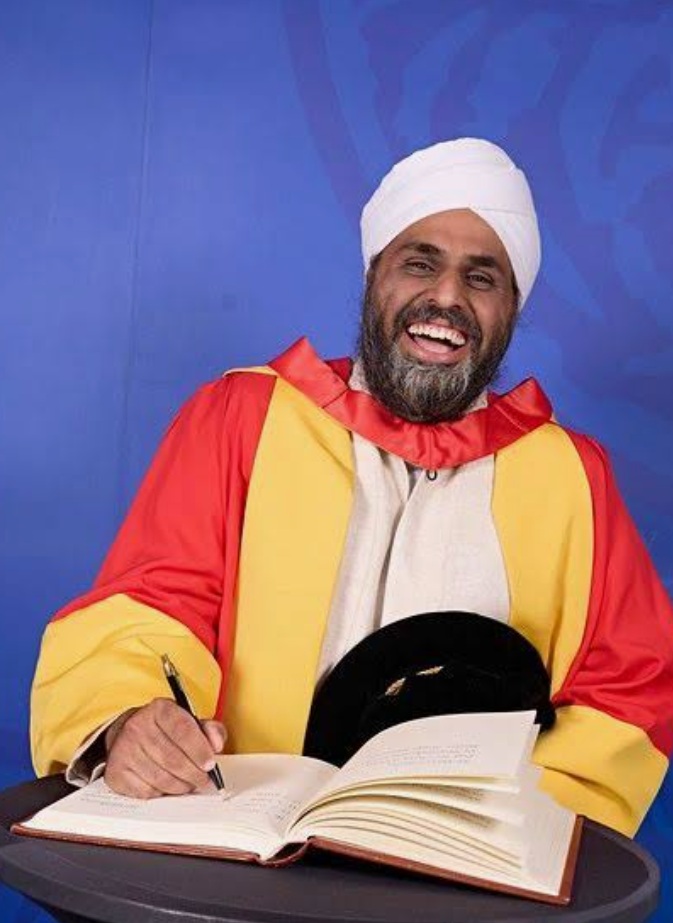
For engineer Navjot Sawhney, receiving an Honorary Doctor of Engineering from the University of Bath represented far more than recognition for creating the award-winning Washing Machine Project.
It brought him back to the place where one simple piece of advice would shape both his career and his life.
Navjot founded The Washing Machine Project to reduce the physical burden of handwashing clothes for families living without reliable access to electricity. His manually powered “Divya” washing machine has since transformed lives across communities around the world.
But standing before graduates, it was not engineering that he spoke about first.
Instead, he remembered a conversation with his university classmate, Rand, who had already spent several years working in the humanitarian sector.
She challenged him with a lesson that has stayed with him ever since, that if he intended to build something for people who had already been promised so much, he had a responsibility to honour that promise by listening first and remaining humble.
Navjot did exactly that, making empathy as central to the project as engineering itself.
Then came the moment that brought smiles across the graduation hall.
Eight years after that first conversation, he revealed that the classmate who had helped shape both his thinking and his values would soon become his wife.
“I am lucky to say that I am now marrying Rand in October,” he told graduates.
Huge congratulations to Navjot from all of us at Asian Standard and of course our readers.
The moment was a beautiful reminder that the University’s influence on its students extends well beyond lecture theatres, sometimes shaping both the work they dedicate their lives to and the people they choose to share it with.
Fatima Patel – Leeds Trinity University
Community journalism was among the professions recognised this summer, with our very own Asian Standard founder and Editor-in-Chief Fatima Patel awarded an Honorary Fellowship by Leeds Trinity University.
The fellowship recognises a career dedicated to ensuring underrepresented communities are not simply reported on but represented.
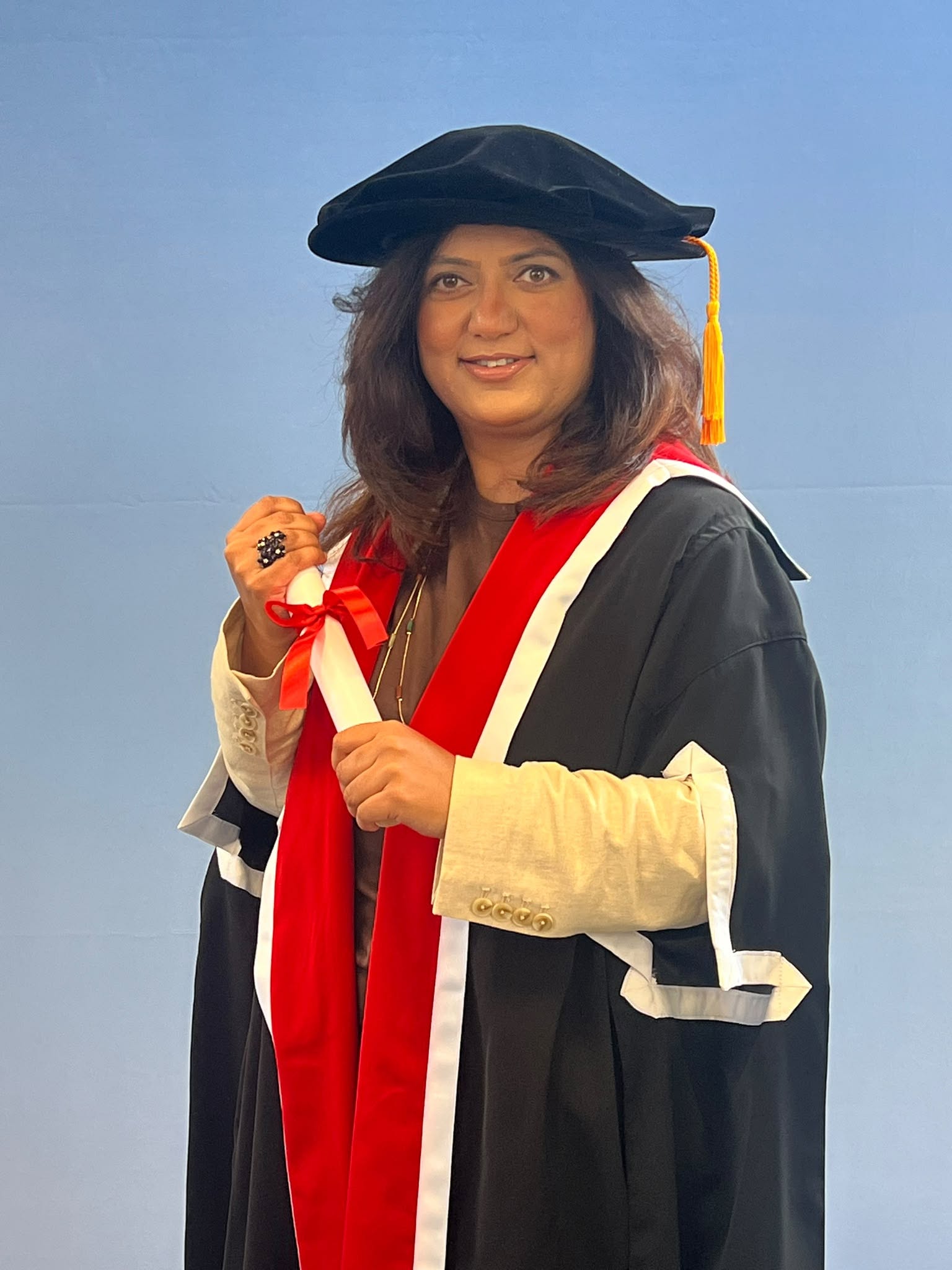
When Fatima founded Asian Sunday in Bradford in 2011, her ambition stretched far beyond launching another newspaper. She wanted to build a platform where stories from Britain’s South Asian communities were given the same prominence, scrutiny and journalistic integrity as any other news story.
A decade later, that vision has grown into Asian Standard, a multi-edition newspaper serving communities across the country, alongside a rapidly expanding digital platform that continues to challenge perceptions of what community journalism can achieve. Asian Sunday is now Asian Sunday & Style Magazine, bringing the latest on food, fashion and film.
Yet the fellowship is not simply recognition of building a successful media organisation.
Leeds Trinity also recognised Fatima’s commitment to social mobility, civic engagement and nurturing the next generation of journalists through teaching, mentoring and creating opportunities for students to enter the profession.
Addressing graduates, Fatima reflected on her own journey of often being underestimated because of her background and encouraged them never to allow others to define who they could become.
Instead, she urged them to recognise the value of their own stories, experiences and identities, reminding graduates that success is rarely found by following someone else’s path. And if opportunities or spaces do not already exist, she encouraged them to create them, before holding the door open for those who follow.
It was a message that perfectly reflected the career for which she was being honoured.
Lord Karan Bilimoria CBE DL – University of York
Lord Karan Bilimoria’s honorary doctorate recognised a career that has become synonymous with British entrepreneurship.
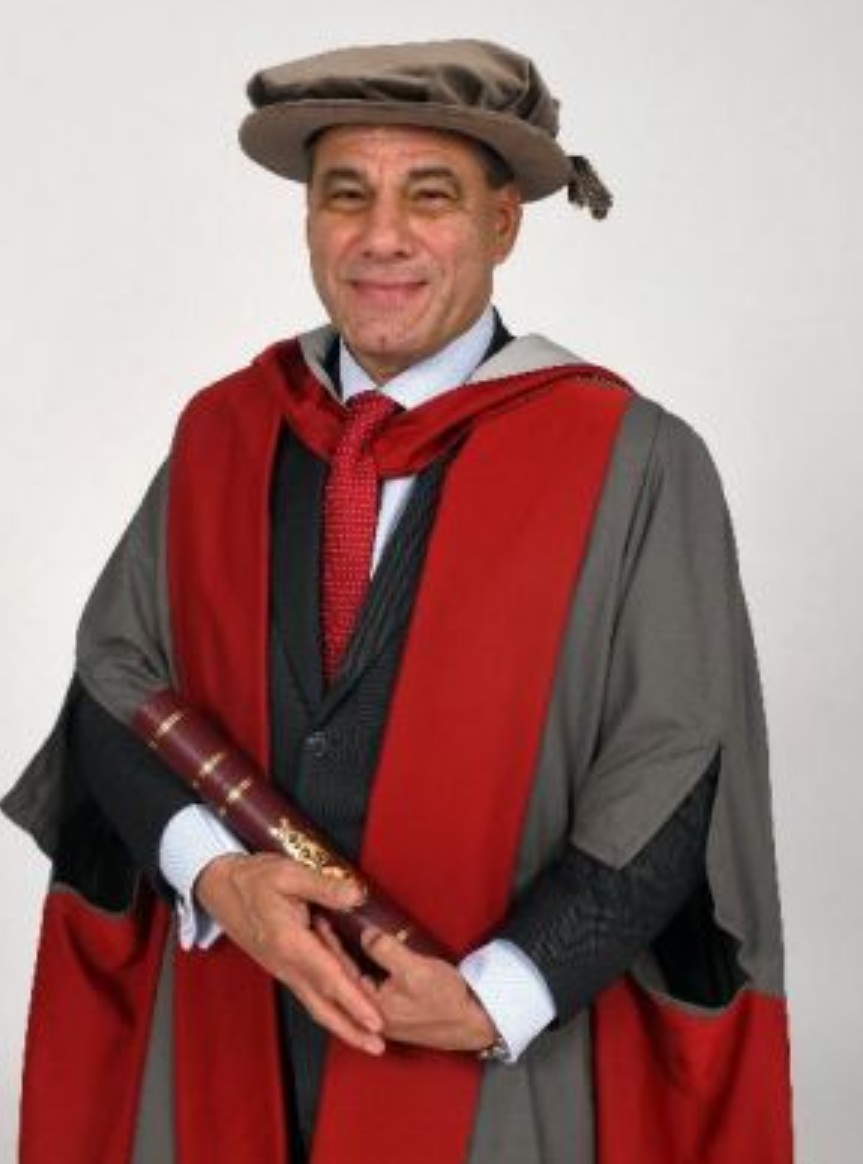
Founder of Cobra Beer, Crossbench Peer, Chancellor of the University of Birmingham and Chairman of the International Chamber of Commerce UK, Bilimoria has spent decades championing enterprise, education and UK-India relations.
Yet standing before graduates, he chose not to speak about success.
Instead, he took them back to the beginning.
He recalled driving around Britain in a battered Citroën 2CV delivering cases of Cobra Beer himself while many of his contemporaries were beginning prestigious careers in investment banks and multinational companies.
Building a business during recession meant rejection after rejection, and even after commercial success the company came close to collapse.
Looking across the hall, Bilimoria asked how many graduates hoped to one day start their own business.
As hands rose, he smiled before offering one word that, in his view, defines every entrepreneur.
“Guts.”
It takes courage to leave security behind, he explained. But even more courage to continue when others would have walked away.
His story served as a reminder that resilience, rather than success itself, is often the defining characteristic of entrepreneurship.
R. Narayana Murthy CBE – University of York
Joining Lord Bilimoria among York’s honorary graduates was one of the architects of modern India’s technology revolution.
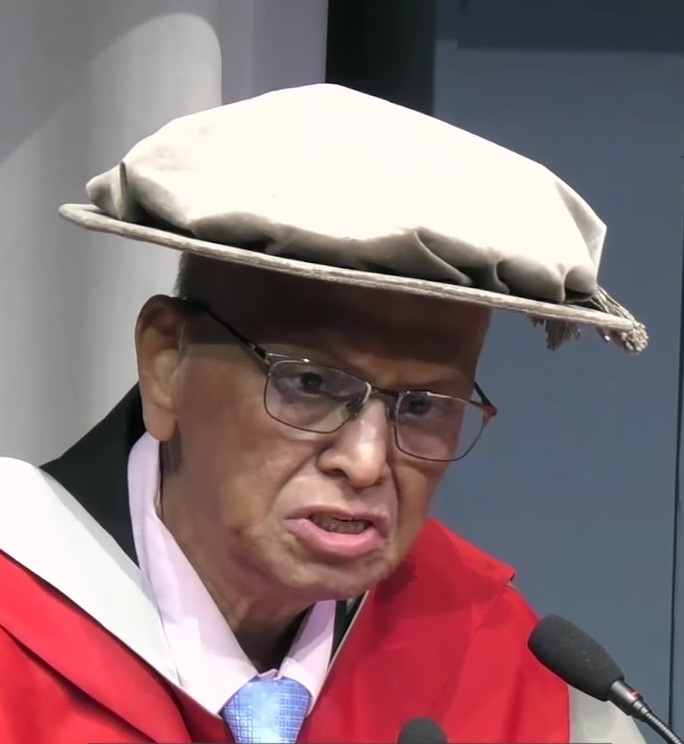
Infosys co-founder N. R. Narayana Murthy CBE helped transform a small start-up founded in 1981 into one of the world’s leading technology
companies, changing perceptions of India’s global technology sector in the process.
Despite a career spanning decades of extraordinary business success, Murthy distilled his advice to graduates into just two qualities.
Competence, he said, must always be matched by values.
It was a characteristically understated message from a businessman whose influence has extended far beyond corporate success into debates around ethics, leadership and responsible entrepreneurship.
Nadeem Shah – University of York
Businessman and philanthropist Nadeem Shah’s honorary recognition reflected two careers woven into one.
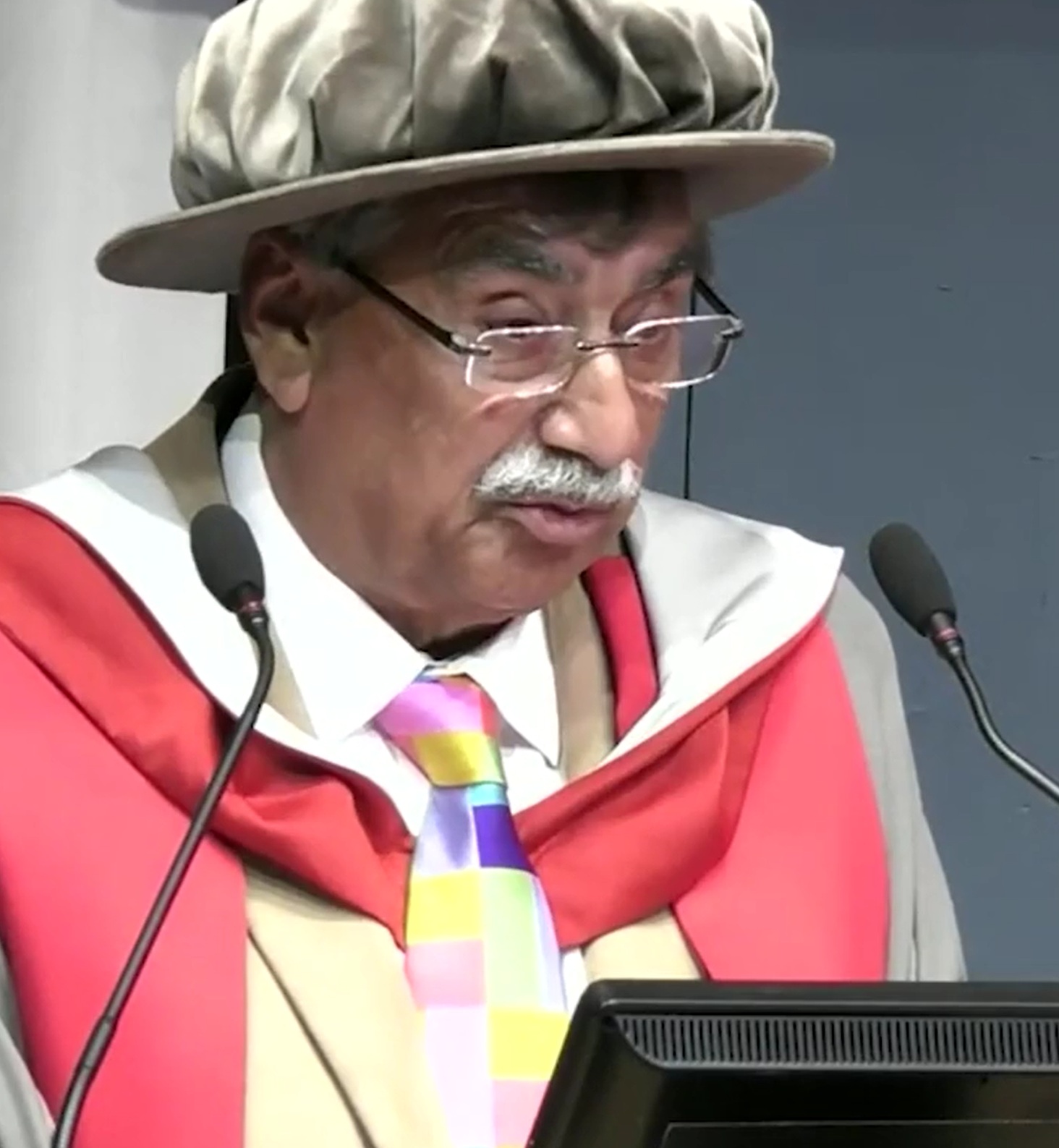
As Chairman of Vigo Group, he has spent more than half a century shaping Britain’s residential, commercial and mixed-use property landscape.
Alongside that work has been an equally enduring commitment to humanitarian causes.
Following the devastating Kashmir earthquake in 2005, Shah established the AHS Foundation, extending his life’s work beyond development into disaster relief and charitable support.
Speaking to graduates, he reminded them that while careers may take many different directions, everyone’s greatest assets remain the same from birth, time and energy. How those gifts are invested, he suggested, ultimately defines a life’s impact.
Sir Hamid Patel CBE – University of Birmingham
Few education leaders have transformed opportunities for young people on the scale of Sir Hamid Patel CBE.
As Chief Executive of Star Academies, he has overseen its growth from a single school in Blackburn into one of England’s highest-performing
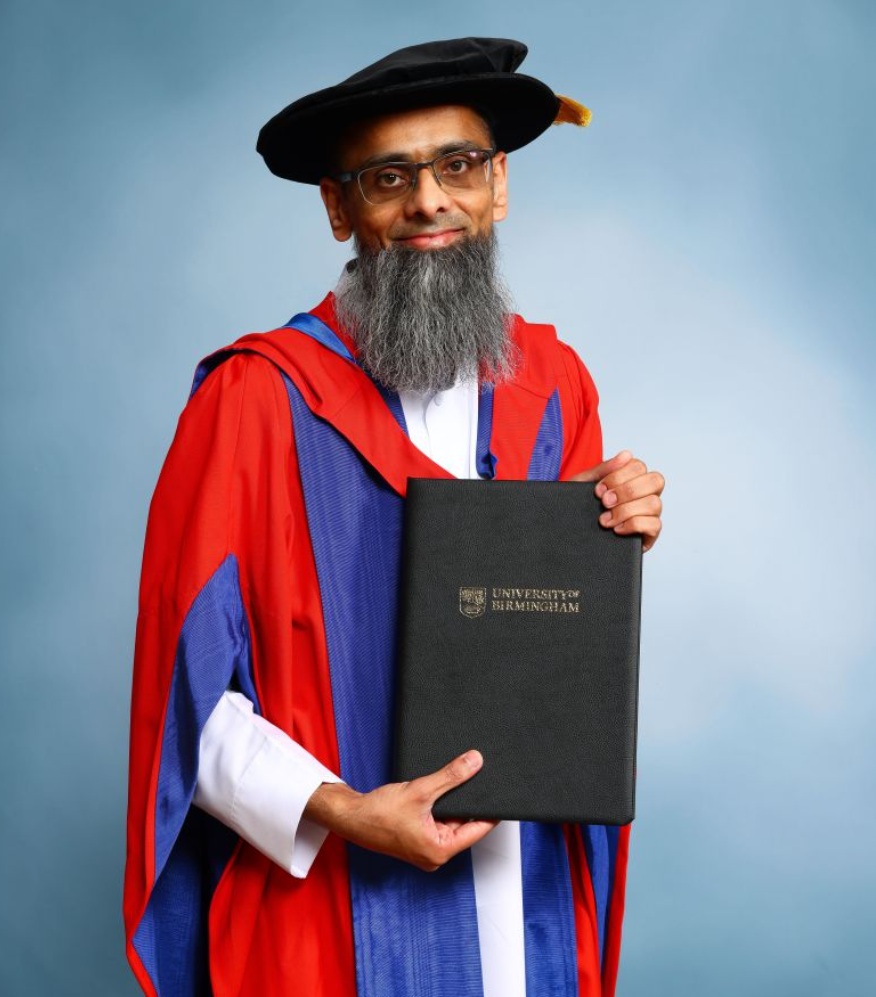
multi-academy trusts, helping thousands of children, many from disadvantaged backgrounds, fulfil ambitions that once seemed beyond reach.
His influence now stretches well beyond the classroom.
Alongside leading Star Academies, Sir Hamid has played a significant role in shaping national education policy through senior positions including Interim Chair of the Ofsted Board and a range of advisory roles across education and public service.
His honorary doctorate from the University of Birmingham recognises not simply educational leadership, but a lifelong commitment to raising aspirations and transforming lives through education.
Urvashi Prasad – University of Birmingham
For Urvashi Prasad, science has never existed in isolation from people.
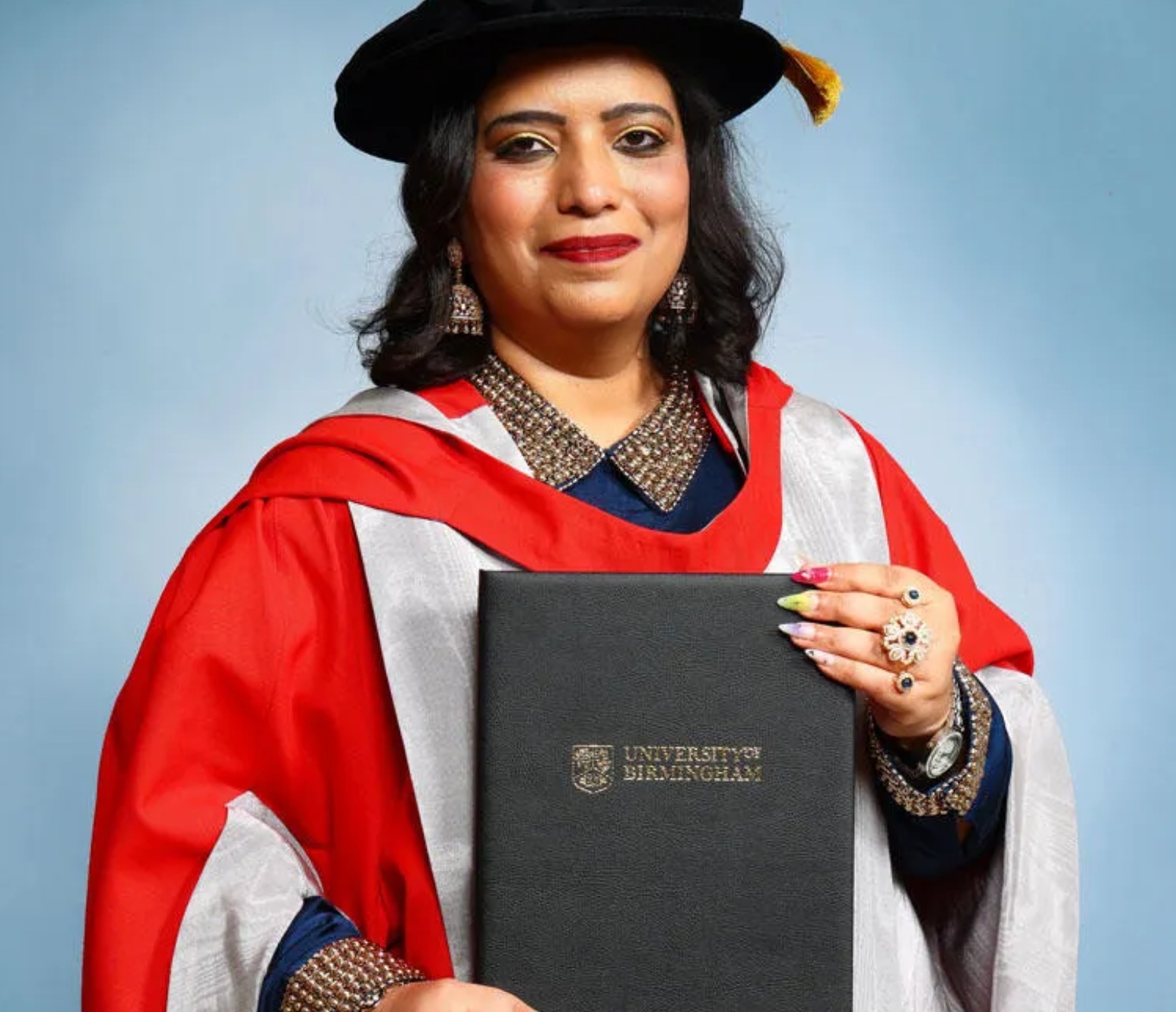
The University of Birmingham honoured its alumna for a career that has bridged scientific research, public policy and patient advocacy, recognising someone who has influenced healthcare not only through government but through lived experience.
After graduating in Biological Sciences (Genetics) at Birmingham, Urvashi continued her academic journey with postgraduate study at the University of Cambridge and the London School of Hygiene & Tropical Medicine before moving into public policy. As Director in the Office of the Vice Chairperson at NITI Aayog, India’s highest public policy institution, she helped shape national strategies on health, nutrition, sanitation and sustainable development, including India’s response to the Covid-19 pandemic.
Yet her most influential work has emerged from one of life’s greatest challenges.
Following her own diagnosis with Stage 4 lung cancer, Urvashi became one of India’s leading patient advocates, determined that lived experience should help shape healthcare policy just as much as scientific evidence.
As founder of PAVANA – Centre for Air Pollution and Environmental Health, and Editor-in-Chief of the Global South Healthcare Journal, she continues to champion health equity, environmental justice and patient-centred care, demonstrating that some of the strongest voices in healthcare come not only from laboratories and boardrooms, but from those who have experienced the system themselves.
Khudeja Amer-Sharif – University of Leicester
For more than three decades, Khudeja Amer-Sharif has dedicated her life to helping women overcome inequality, isolation and adversity.
That commitment was recognised by the University of Leicester when the Chief Executive of Shama Women’s Centre was awarded an
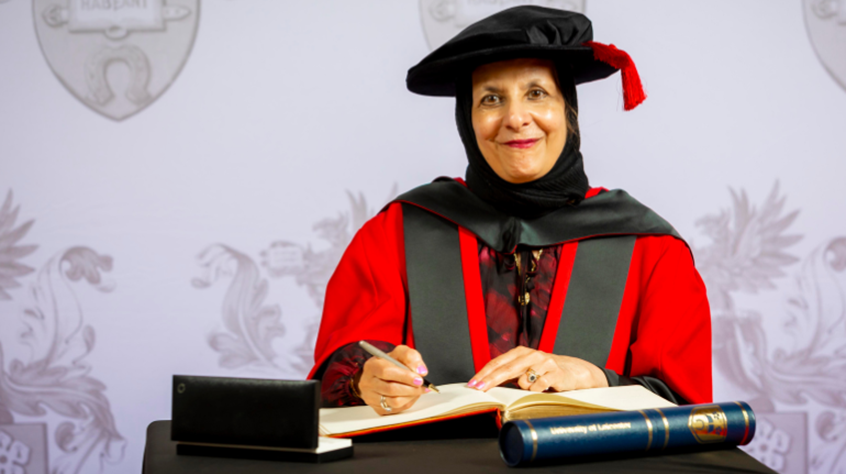
Honorary Doctor of Laws at a graduation ceremony held at De Montfort Hall.
What began as a role she expected to last only a matter of weeks has become a 14-year mission. Today, Khudeja leads a team of 20 staff, supporting thousands of women to gain confidence, qualifications and the emotional and financial resilience to build independent futures.
Through Shama Women’s Centre, women from underrepresented communities have been empowered to overcome cultural barriers and become active members of their communities. The Centre also works closely with the University of Leicester’s Law School Legal Advice Clinic, where students provide vital family and immigration advice to vulnerable women, many of whom are survivors of domestic abuse.
Accepting the honour, Khudeja said she was both honoured and humbled to receive recognition from a university in the city she has proudly called home since 2000. She described her work as being an advocate and voice for communities facing inequality and said she hoped the honorary doctorate would strengthen the shared values between the University and Shama Women’s Centre, creating even greater opportunities to bring about positive change.
For Khudeja, however, the recognition also marked a remarkable full-circle moment.
As a young girl, she dreamed of one day going to university — an ambition realised in 2012 when she graduated with an MBA with Distinction from De Montfort University as a mature student. She later returned to the institution as a senior lecturer and senior research fellow, before being appointed Pro Chancellor.
Her own journey has been shaped by resilience. From being the only Muslim Asian girl in her school to surviving an abusive arranged marriage and raising three children as a single mother, she refused to allow life’s challenges to define her future. Instead, they became the driving force behind a career spent creating opportunities for others.
It is that commitment to empowering women, championing equality and opening doors for future generations that the University of Leicester has now recognised with one of its highest honours.
Dr Navina Evans CBE – University of Warwick
Few people have influenced modern mental healthcare in Britain quite like Dr Navina Evans CBE.

Awarded an Honorary Doctor of Science by the University of Warwick, Dr Evans has spent her career at the forefront of some of the NHS’s biggest challenges, from strengthening mental health provision and developing the healthcare workforce, to ensuring future generations of professionals are equipped to meet increasingly complex patient needs.
As former Chief Executive of East London NHS Foundation Trust and Chief Executive of Health Education England, her leadership has helped shape healthcare far beyond individual hospitals or organisations.
Her honorary doctorate recognises a career dedicated not only to improving services, but to improving the people and systems that deliver them.
Moni Varma – University of Kent
When Moni Varma arrived in Britain from Malawi in 1982, he carried little more than ambition and a vision.
More than four decades later, the entrepreneur affectionately known as the “Rice King” returned to a university graduation ceremony to
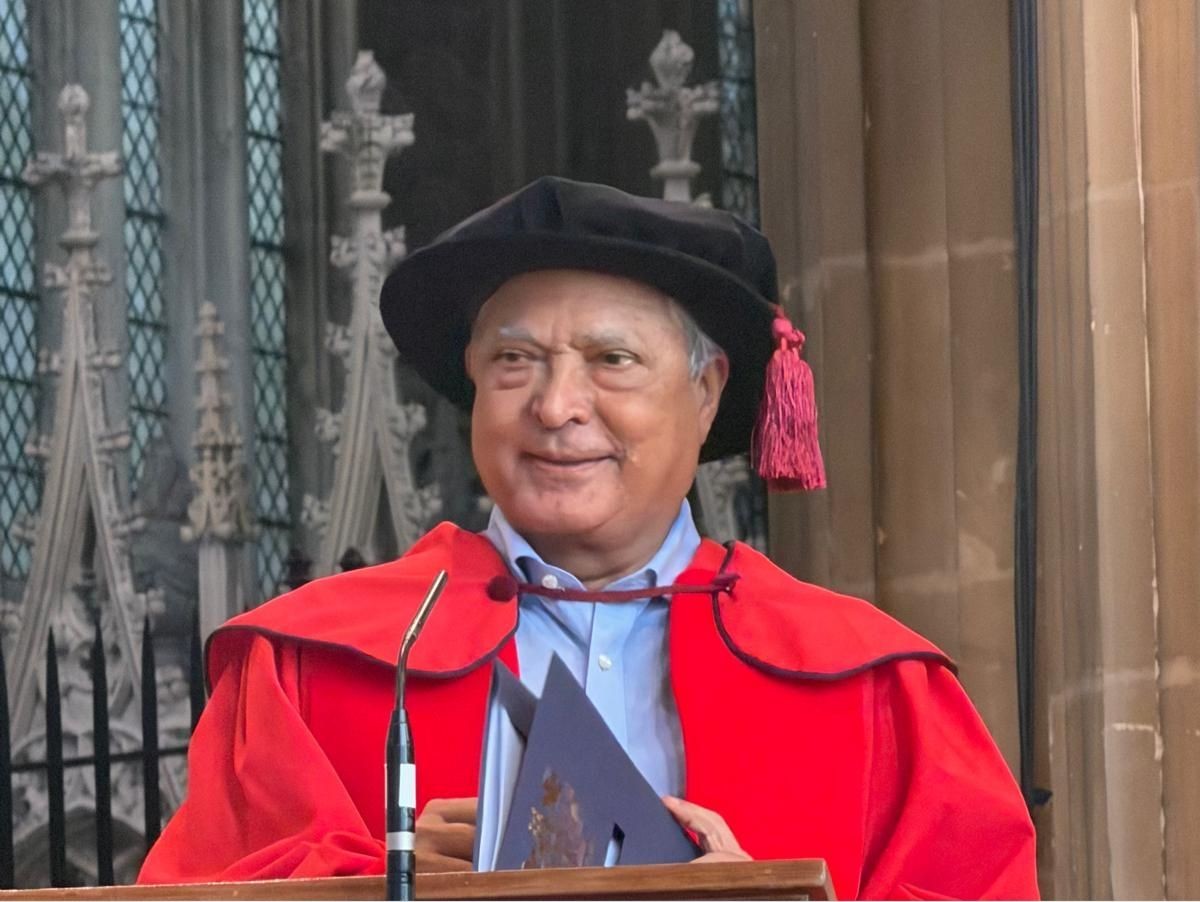
receive an Honorary Doctor of Enterprise and Innovation from the University of Kent.
Through Veetee, Moni transformed the quality and accessibility of rice in Britain, building one of the country’s most recognised food manufacturing businesses and introducing products now found in supermarkets nationwide.
Yet despite decades of commercial success, his advice to graduates remained remarkably uncomplicated.
Looking back over his own journey, Moni attributed his achievements to four guiding principles: believe in yourself, embrace calculated risks, deliver for others and pursue what you are genuinely passionate about.
It was advice born not from theory, but from more than forty years of entrepreneurship.
Frank Khalid OBE – University of West London
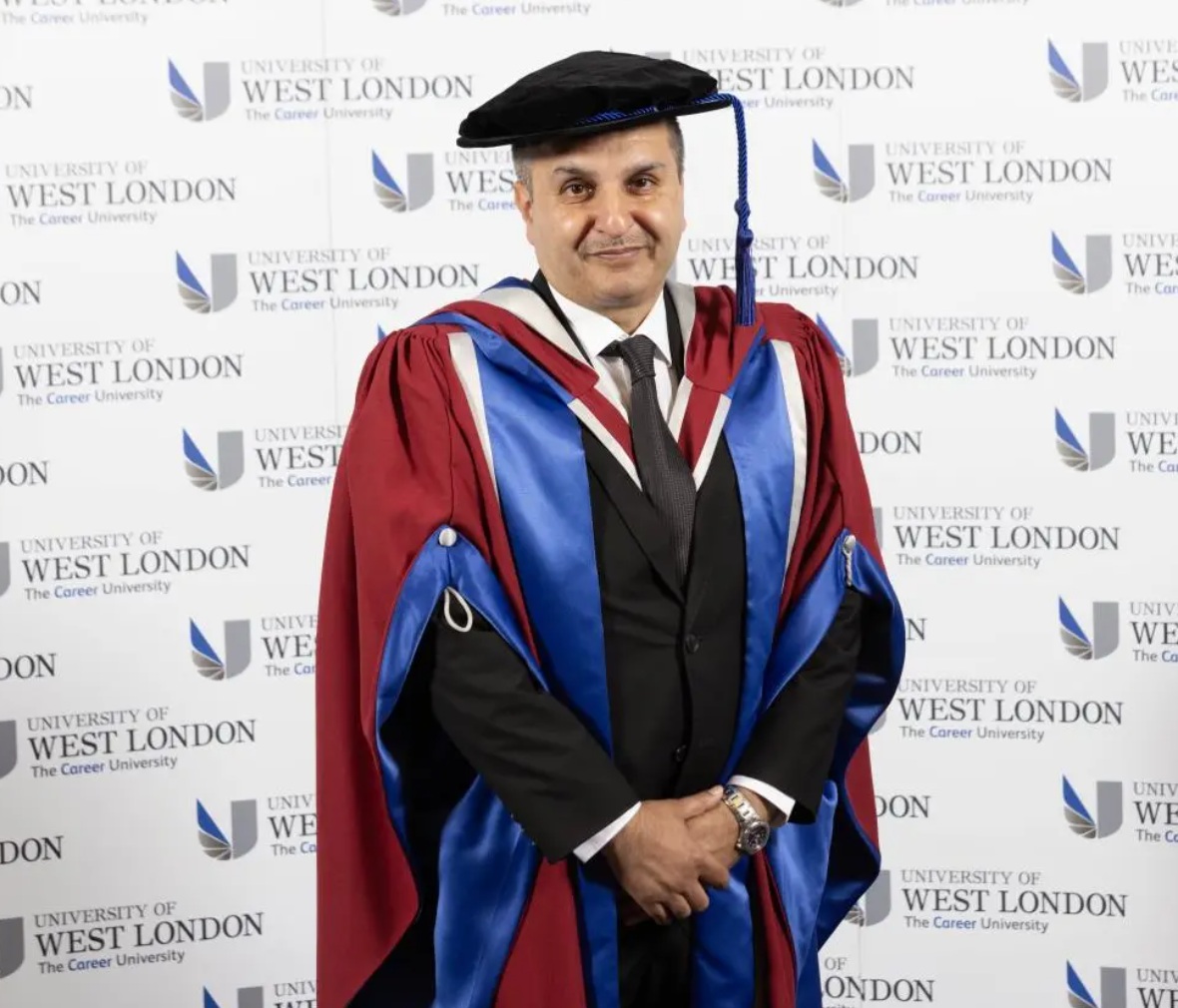
For entrepreneur and philanthropist Frank Khalid OBE, receiving an Honorary Doctor of Letters from the University of West London represented another proud chapter in a career closely intertwined with the capital he has helped shape.
Founder of West London Film Studios and the iconic Chak89 restaurant and banqueting venue, Frank has built a reputation that spans hospitality, film, property and charitable work.
While his business achievements are well documented, his reaction to the honour revealed a far more personal side.
Describing himself as “so honoured”, Frank dedicated the recognition to his family, calling it “another proud day” in a journey built through hard work, resilience and community.
Sometimes, the most meaningful honours are those shared with the people who helped make them possible.
Shanaz Gulzar MBE – University of Bradford
Few people have done more to reshape the way Bradford tells its story than Shanaz Gulzar MBE.
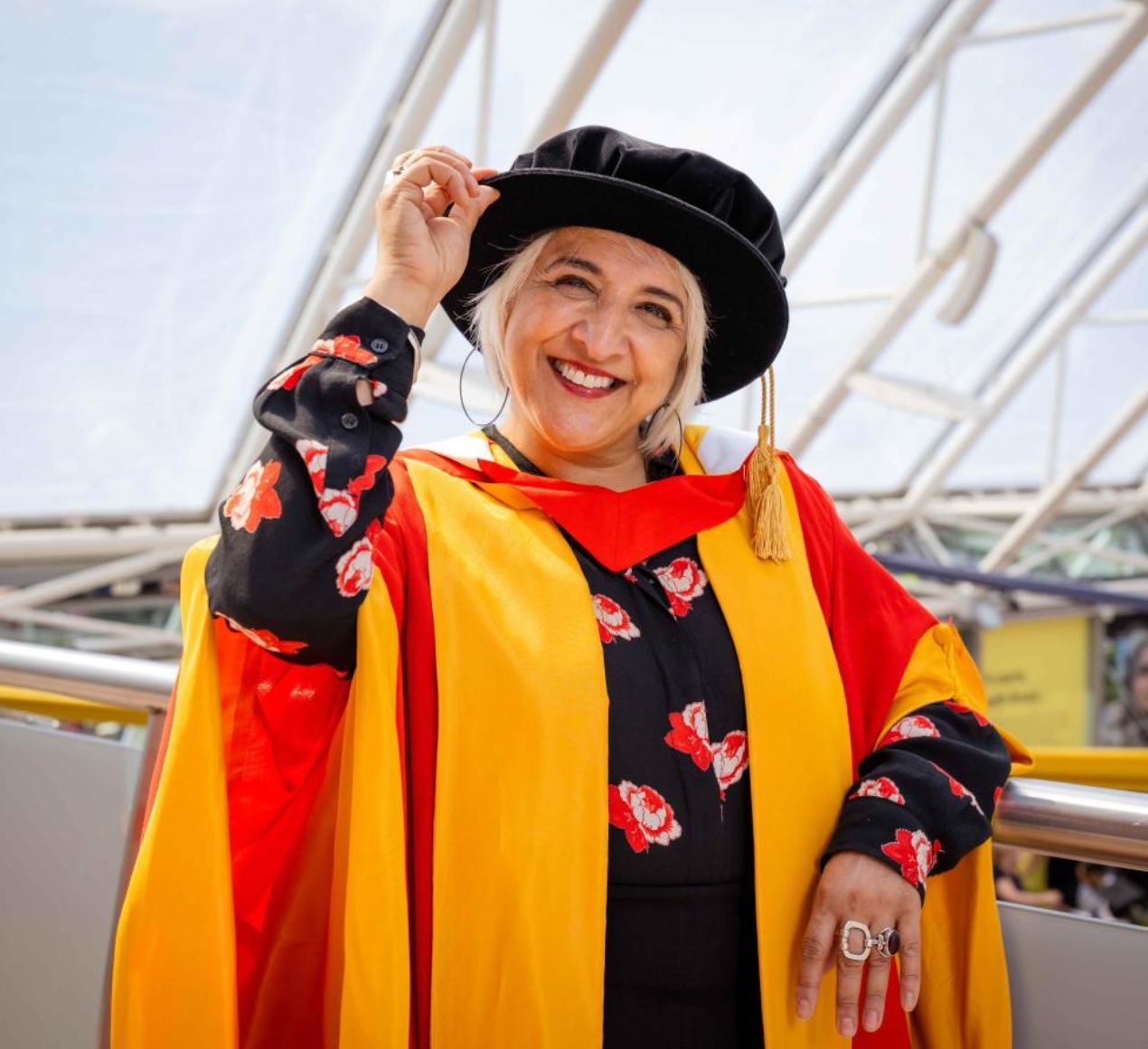
Awarded an Honorary Doctor of Letters by the University of Bradford, the honour carried special significance for someone born in nearby Keighley, whose career has remained deeply rooted in the district she proudly calls home.
As Creative Director of Bradford 2025 and a key figure behind the city’s successful UK City of Culture bid, Shanaz has spent years ensuring Bradford’s stories are celebrated nationally rather than defined by outdated perceptions.
Receiving the honour from her home city’s university, she described the occasion as “really special”.
Reflecting on her parents’ journey to Britain, the transformative power of education and the mentors who encouraged her ambitions, Shanaz reminded graduates that opportunity often begins with someone believing in you before you believe in yourself.
Her own advice, however, was unmistakably Bradford.
“Grab everything life has to offer,” she urged. “If someone says no, try and find another way for them to say yes.”
For the graduating class, it was both encouragement and challenge.
After all, as Shanaz reminded them, graduation is not the finish line.
It is only the first chapter.
Sasha Bhat – University of Bradford
Among this year’s honorary recipients, no story carried greater poignancy than that of mental health campaigner Sasha Bhat.
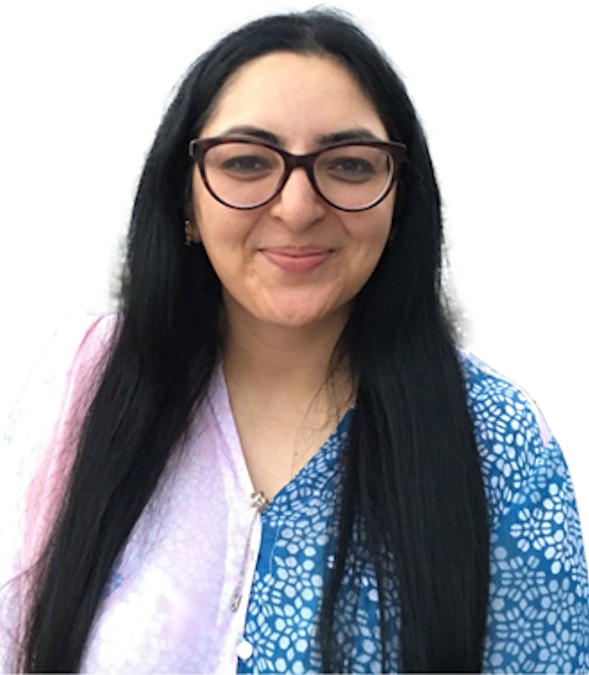
Just weeks before losing her life to cancer, Bhat received her Honorary Doctorate of Health at her home in Wakefield, surrounded by those she loved most.
The University of Bradford’s recognition celebrated more than two decades dedicated to improving mental health and wellbeing across Bradford District and Craven, where her work transformed prevention, early intervention and culturally responsive services while ensuring communities too often overlooked had a stronger voice in shaping the support they received.
Although illness prevented her from attending the University’s graduation ceremonies, the honour did not end there.
Her doctorate was formally received on behalf of the family in July by her husband, Dr Sarfaraz Shora, and those closest to her.
Speaking afterwards, Dr Shora said the family had been “deeply touched” by the University’s decision to honour Sasha’s life’s work.
Knowing her passion and contribution had been recognised, he said, brought immense comfort during an incredibly difficult time.
He described the private ceremony at their home as a memory the family would treasure forever, allowing Sasha to receive one of the greatest honours of her career surrounded by those she loved.
In the end, the honorary doctorate became more than recognition of professional achievement.
It became part of her legacy.
Dr Tariq Chauhan – Leeds Trinity University
Healthcare leader Dr Tariq Chauhan was also welcomed into Leeds Trinity University’s community of Honorary Fellows.
As Chairman of Beacon Medical Services, Dr Chauhan has devoted his career to improving health outcomes while tackling inequalities across Yorkshire and the North West.
Beyond healthcare, his work has extended into youth development, grassroots community organisations, education and projects addressing
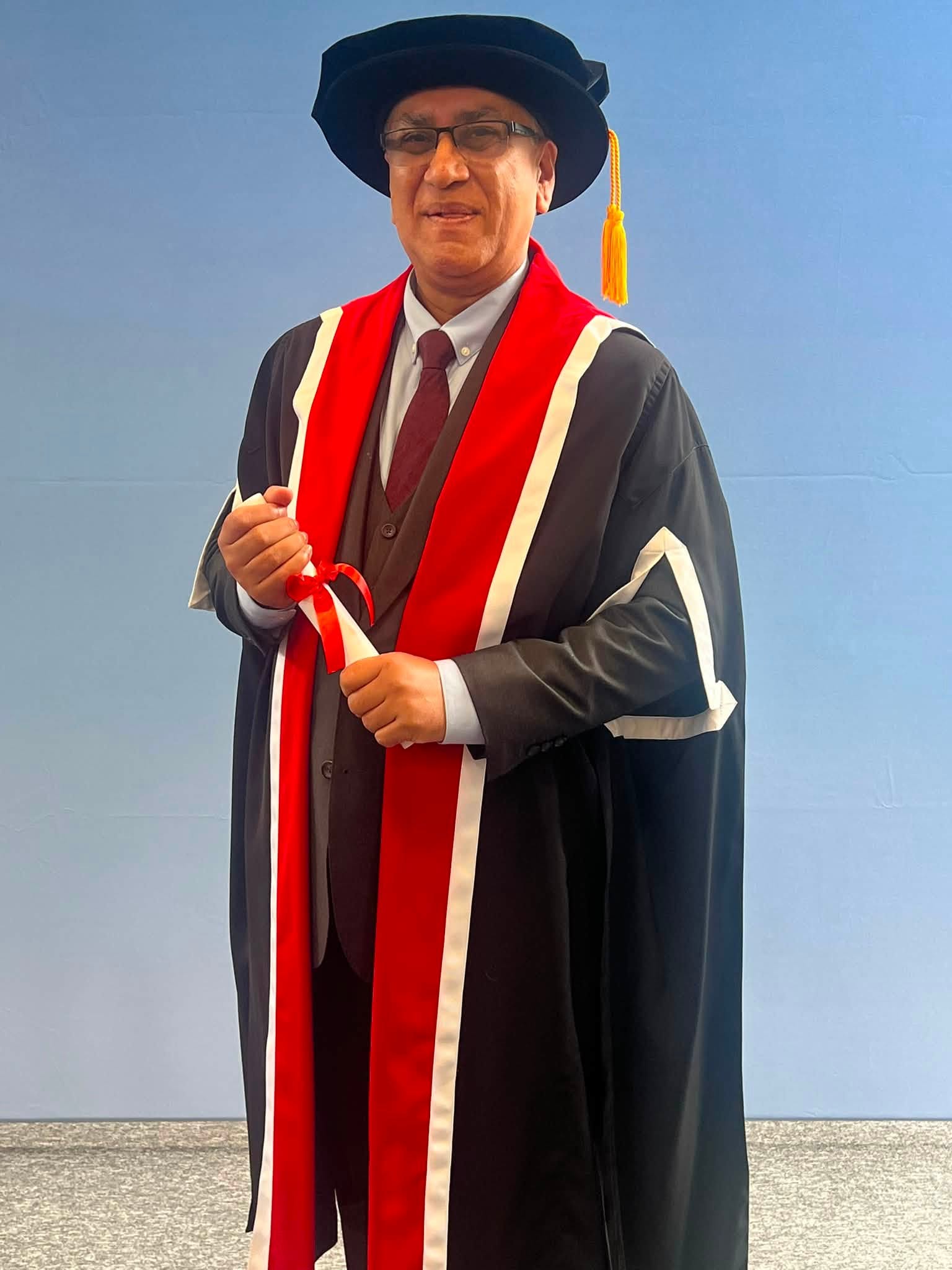
social isolation, alongside a long-standing commitment to humanitarian and charitable causes.
His relationship with Leeds Trinity has also helped create opportunities for students entering healthcare, policing, social policy and related professions.
Rather than focusing on his own achievements, Dr Chauhan used his graduation address to celebrate those sitting before him.
He reminded graduates that perseverance had already become one of their greatest strengths simply by completing their studies.
Then he shared six words that have guided his own life, advice first given by his mother.
“Dream big, work hard, and you will achieve big.”
Simple words.
Yet, as Dr Chauhan explained, they have remained the foundation of everything he has accomplished.
Honorary degrees and fellowships are, by their nature, very different from the qualifications earned through years of lectures, examinations and dissertations.
Yet their significance should never be underestimated.
When a university awards an honorary degree, it is making a statement about the kind of contribution it believes deserves to be celebrated.
Look across this year’s South Asian recipients and a compelling picture begins to emerge.
There are doctors improving healthcare not only through medicine, but through compassion and leadership.
There are engineers whose innovations are restoring dignity to some of the world’s most vulnerable communities.
There are entrepreneurs who began with little more than determination and transformed ideas into businesses recognised across the globe.
There are educators opening doors for young people, lawyers breaking barriers, artists reshaping how cities see themselves, journalists ensuring communities have a voice, and campaigners whose life’s work continues to improve countless lives long after they are gone.
Some built international businesses.
Some changed national institutions.
Others quietly transformed the communities around them.
Together, they remind us that there is no single definition of success.
For the thousands of graduates leaving university this summer, perhaps that is the most important lesson of all.
Degrees open doors.
Character determines what happens once you walk through them.
And for every honorary graduate featured here, the qualification they received this summer was never the destination.
It was recognition of a journey that had already inspired countless others.
A note to our readers: Asian Standard has compiled this feature from honorary awards publicly announced by universities during 2026. It is not intended to be an exhaustive list of South Asian honorary graduates and fellows. If there are South Asian honorary graduates, we have missed whose achievement deserves to be included, we would be pleased to hear from you.


