


Cleaner air could prevent 44,000 premature deaths and add £2.2bn to London’s economy by 2050, new research suggests.
A report commissioned by Clean Air Fund estimates that reaching the UK’s legally binding Net Zero target would deliver major health and economic benefits for the capital, where pollution levels remain among the highest in the country.
The research, carried out by CBI Economics and WSP, found that reducing emissions across transport, buildings, industry and power generation could prevent around 44,000 premature deaths, generate 533,000 additional life-years, create nine million extra working days, and contribute £2.2 billion to London’s economy by 2050.
The findings are based on the Climate Change Committee’s “balanced pathway” to Net Zero, which the Government is legally required to consider as part of its emissions reduction plans.
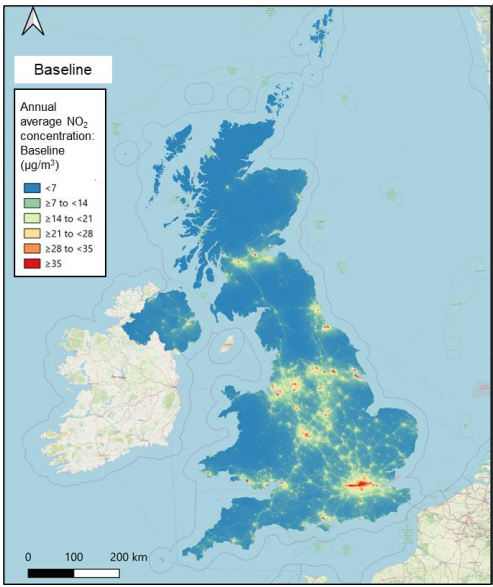
Although nitrogen dioxide (NO₂) pollution in London fell within legal limits for the first time last year, researchers said the capital still experiences significantly higher pollution than elsewhere in the UK.
According to recent data, all of England’s most polluted neighbourhoods remain in London, with parts of Camden recording average pollution levels well above World Health Organization guidelines.
Researchers said London’s high baseline pollution means the city stands to gain disproportionately from cleaner air measures.
Nick Smith, Head of UK Portfolio at Clean Air Fund, said the research showed that meeting Net Zero targets would improve both public health and economic productivity. He said cleaner air would help people stay healthier for longer, reduce sickness-related absences and allow more people to remain in work.
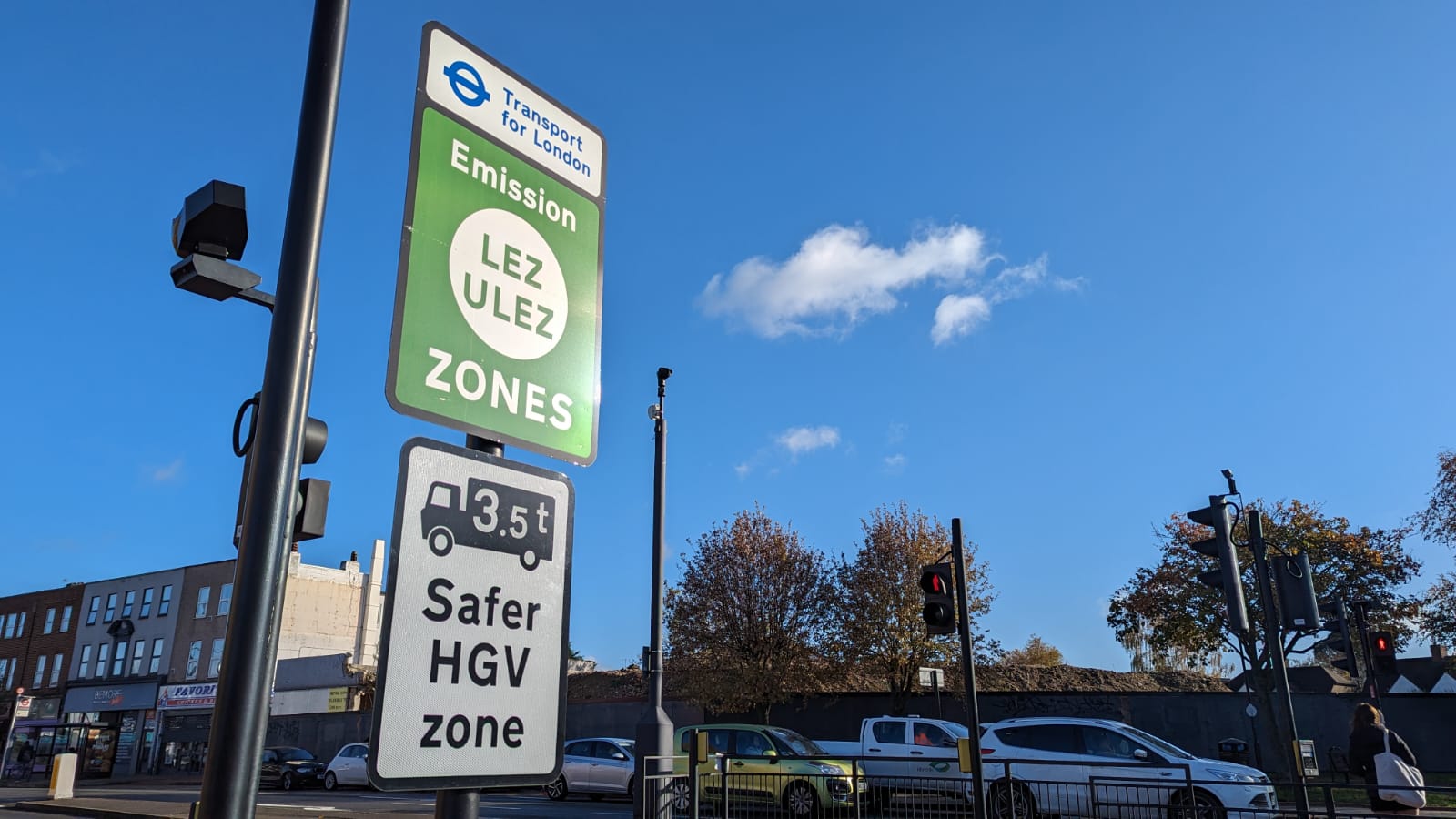
London Mayor Sir Sadiq Khan has made tackling air pollution a central part of his administration, introducing measures including the Ultra Low Emission Zone (ULEZ), the Congestion Charge, and investment in walking, cycling and public transport.
Experts previously warned it could take almost two centuries for London to meet legal nitrogen dioxide limits without intervention, but City Hall says the capital achieved compliance within nine years.
However, campaigners argue further action is still needed, particularly around emissions from vans, freight vehicles and domestic wood burning.
A spokesperson for the Mayor said the report reinforced the importance of policies such as the expansion of ULEZ, adding that while progress had been made, long-term exposure to air pollution was still estimated to contribute to around 5,100 premature deaths across London in 2024.
The spokesperson said City Hall remained committed to further reducing pollution while working towards a greener and healthier capital.


