


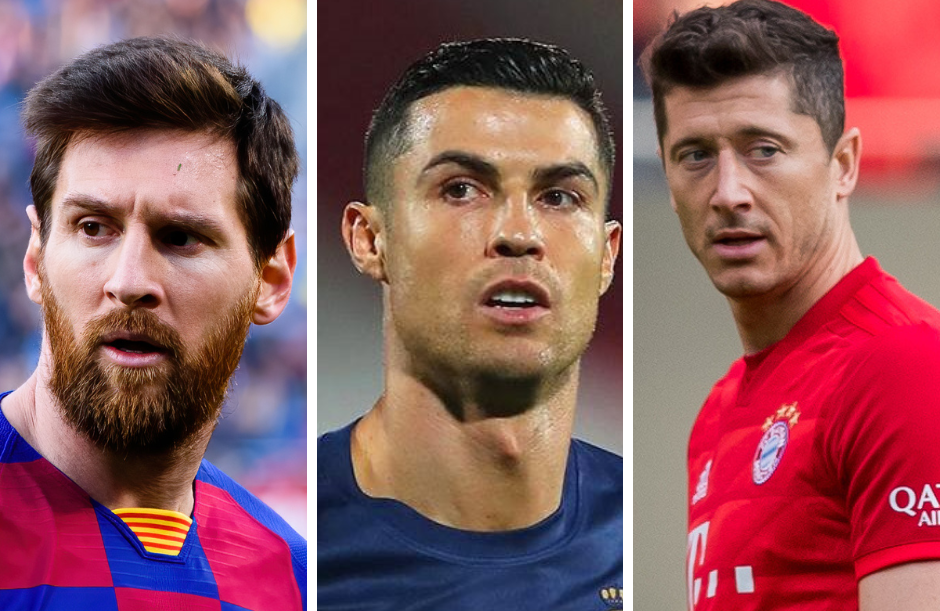
The 2026 FIFA World Cup is not only showcasing the stars of tomorrow; it is also serving as a farewell tour for some of the greatest footballers ever to play the game. From Lionel Messi and Cristiano Ronaldo to Luka Modrić and Kevin De Bruyne, a generation that defined modern football is approaching the final chapter of its international story.
Lewandowski’s Unfinished Farewell

Before looking at those still competing, spare a thought for Robert Lewandowski, who is absent from the tournament.
Poland’s record goalscorer finished his international career with 84 goals and a legacy that will likely never be matched in his homeland. The 37-year-old had hoped to make a third World Cup appearance, but Poland fell agonisingly short in qualifying.
After reaching the play-off final, they were beaten by Sweden thanks to a late winner from Viktor Gyökeres. In the aftermath, Lewandowski posted a silent farewell accompanied only by Andrea Bocelli’s “Time To Say Goodbye” before confirming his retirement from international football.
Reflecting on his career, Lewandowski admitted he had sometimes expected teammates to perform at the same level as the elite players he played alongside at club level. It was a rare moment of honesty from one of football’s most prolific strikers.
His record speaks for itself, but there remains a sense of what might have been. A third World Cup appearance would have provided the fitting farewell stage his remarkable career deserved.
Ronaldo Chasing History
At 41, Cristiano Ronaldo has become the first player to feature in six World Cups, a record that may never be broken.
Yet this tournament has highlighted the challenges that come with longevity. Ronaldo arrived in North America enduring a lengthy goal
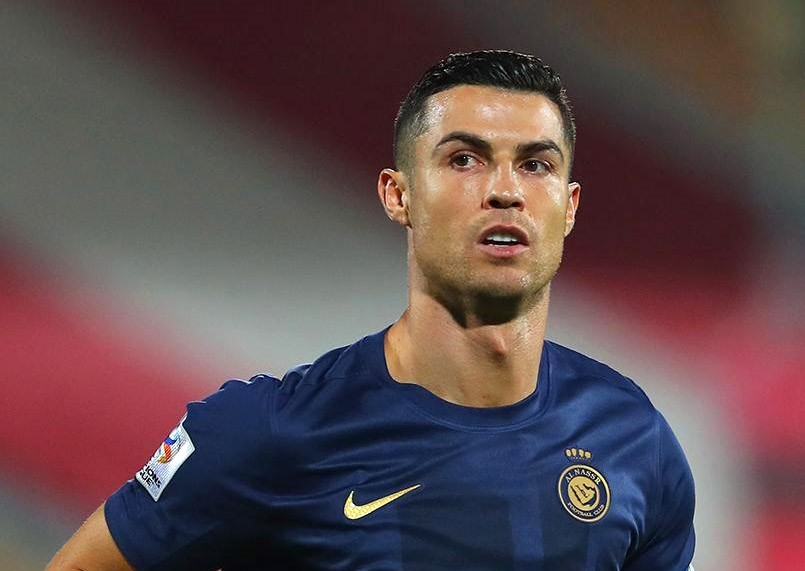
drought in international competition and remains locked in pursuit of the elusive 1,000-goal career milestone.
Portugal’s evolving style under manager Roberto Martínez has increasingly been built around younger talents, creating questions about Ronaldo’s role within the side. Critics have suggested his desire to reach personal milestones sometimes clashes with the team’s collective approach.
None of that diminishes his extraordinary legacy. Five Ballon d’Or awards, countless records and more than two decades at the pinnacle of the sport have already secured his place among football’s immortals.
What makes this World Cup compelling is not whether Ronaldo adds another trophy to his cabinet, but how one of the game’s greatest competitors adapts to the realities of time.
Messi’s Masterclass in Longevity
If Ronaldo’s tournament has been defined by struggle, Lionel Messi continues to show how experience can be transformed into an art form.
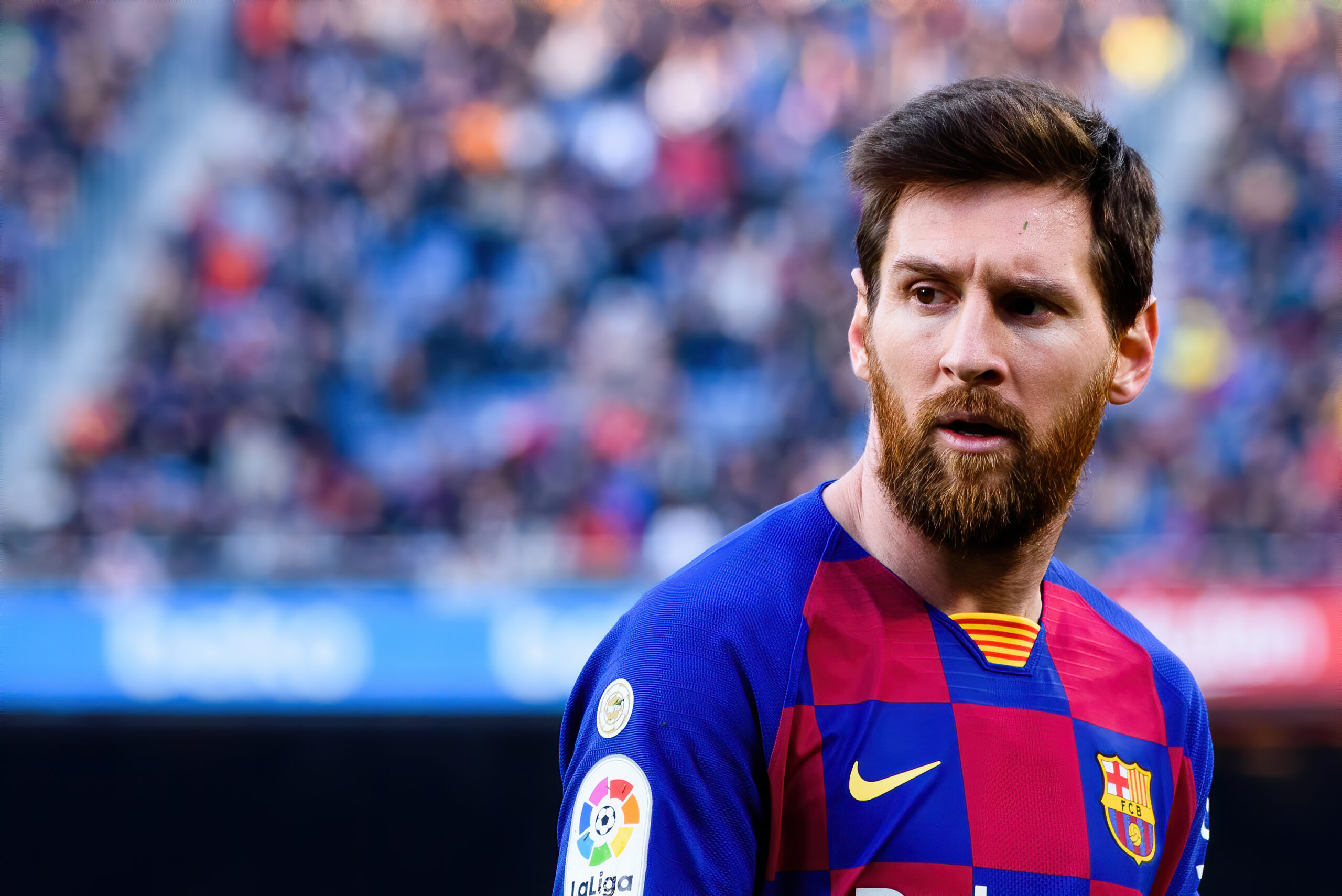
Twenty years after his World Cup debut, Messi marked his 200th international appearance with a stunning hat-trick against Algeria, becoming the oldest player to score a World Cup treble.
The performance also saw him draw level with Miroslav Klose on 16 World Cup goals, underlining his enduring influence on the biggest stage.
What stands out most is how Argentina have evolved around him. No longer required to chase every ball or press relentlessly, Messi operates with a calmness that comes only from experience. Every movement appears measured, every touch purposeful.
At 38, he seems completely at peace with his place in football history. There is no desperation, only a footballing intelligence that continues to separate him from almost everyone else.
Whether Argentina retain their crown or not, Messi’s contribution to this World Cup already feels like the perfect final act.
Modrić’s Remarkable Journey
Few players have a story as inspiring as Luka Modrić.
Born into the turmoil of the Croatian War of Independence, Modrić spent part of his childhood as a refugee after his grandfather was killed and his family home destroyed. He developed his football skills in hotel car parks and shelters while conflict raged around him.
At eight years old, he was rejected by Hajduk Split for being too small. Four decades later, he is widely regarded as Croatia’s greatest-ever player.
Now 40, Modrić is appearing at his fifth World Cup. Croatia’s opening defeat to England saw him substituted early, a reminder that even football’s finest cannot outrun age forever.
Yet his presence alone remains extraordinary. A Ballon d’Or winner, five-time Champions League champion and the man who led Croatia to the 2018 World Cup final, Modrić’s career transcends football.
From refugee camps to global superstardom, his journey stands among the sport’s most remarkable success stories.
Neuer’s Final Call to Duty
When Manuel Neuer retired from international football after Euro 2024, it seemed a fitting conclusion to a glittering career.
Then Germany’s goalkeeping plans were thrown into chaos by injury, prompting the veteran to answer one final call.
At 40, Neuer returned to the national side and immediately reminded everyone why he revolutionised the role. His composure, leadership and trademark sweeping style remain as influential as ever.
There is something fitting about his final chapter. Rather than extending his career for personal glory, Neuer returned because his country needed him.
Few players have transformed their position quite so dramatically. His farewell feels entirely consistent with the selfless professionalism that defined his career.
De Bruyne’s Bittersweet Goodbye
For Kevin De Bruyne, this World Cup may be the most painful of all.
Belgium’s so-called golden generation promised so much but ultimately fell short of delivering major international silverware. As the years have passed, De Bruyne has often appeared burdened by carrying expectations that even his immense talent could not fulfil alone.
Despite flashes of brilliance, Belgium have struggled to match the standards required to challenge the elite nations. The contrast between De Bruyne’s world-class ability and the limitations around him has become increasingly apparent.
Even so, the midfielder remains one of the finest playmakers of his generation. His vision, passing range and ability to dictate matches continue to set him apart.
The disappointment of what Belgium failed to achieve should never overshadow the brilliance of what De Bruyne accomplished individually.
James Rodríguez Enjoying One Last Moment
Unlike some of his contemporaries, James Rodríguez appears determined to enjoy every moment of what could be his final World Cup.
The Colombian arrived at the tournament with questions surrounding his form and club future, yet once again the national shirt seems to have brought out his best.
In Colombia’s opening victory over Uzbekistan, Rodríguez orchestrated the attack with the same creativity and vision that made him the star of the 2014 World Cup.
There remains a sense of unfinished business. More than a decade after winning the Golden Boot, he continues to show glimpses of the brilliance that once made him one of football’s most exciting talents.
A Generation We May Never See Again
Together, these players have accumulated hundreds of international caps, won football’s greatest honours and inspired millions around the globe.
The next generation is already emerging, with stars such as Jude Bellingham, Pedri, João Neves and Francisco Conceição ready to take centre stage.
But before football fully turns the page, the 2026 World Cup offers one final opportunity to appreciate the legends who shaped the modern era.
For two decades they have defined excellence, delivered unforgettable moments and rewritten record books. Whether they lift another trophy or not, their place in football history is already secure.
The curtain is beginning to fall, but what a performance it has been.


