

An identity is often shaped by the food people eat. Food they love. Food that makes them feel at home. Londoners have been sharing their love affair with food for decades. And when it comes to food from other cultures, the demand is massive. That is exactly what Londoners got to experience this season.
London’s reputation as one of the world’s most diverse food capitals was on full display this month as thousands of visitors.
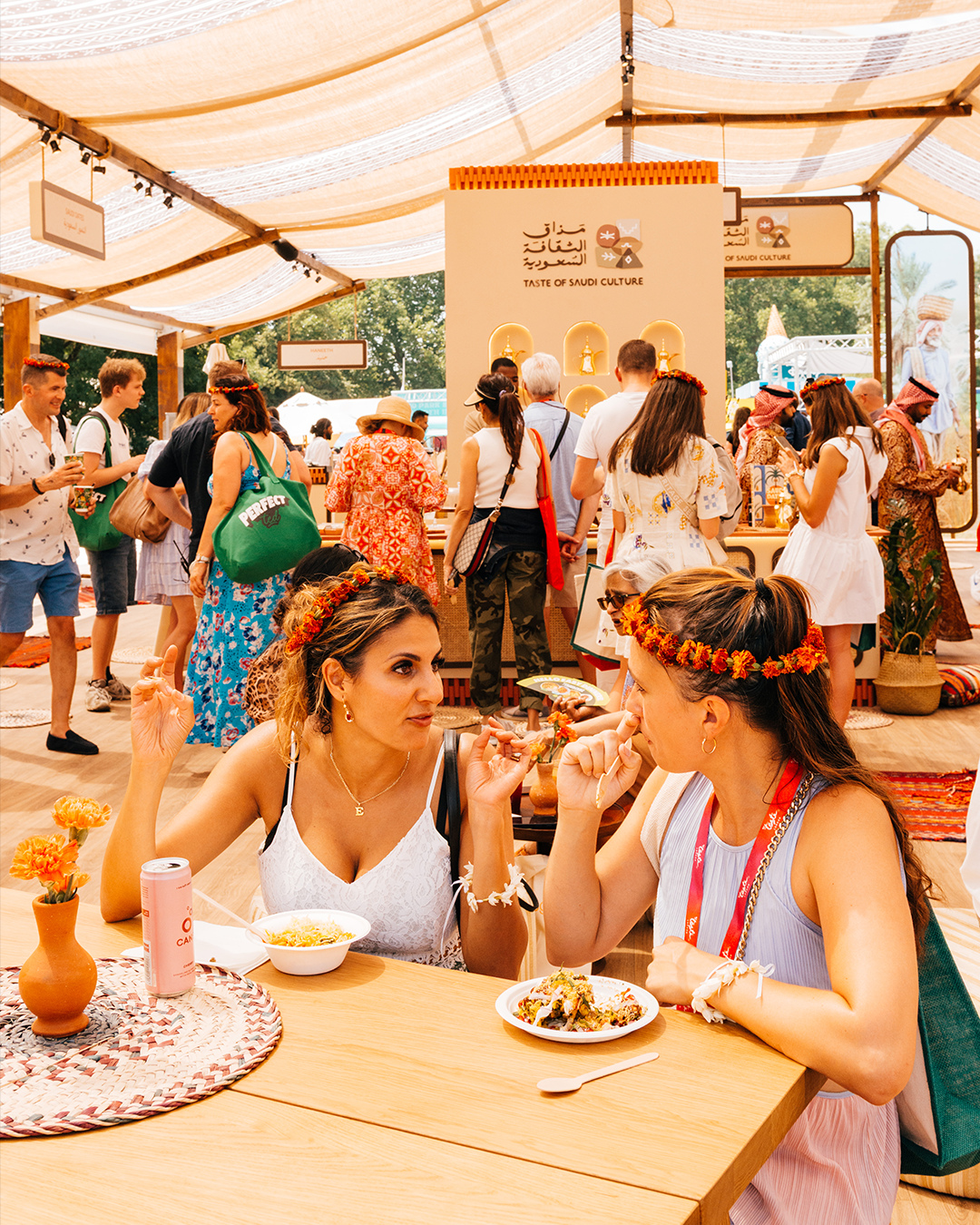
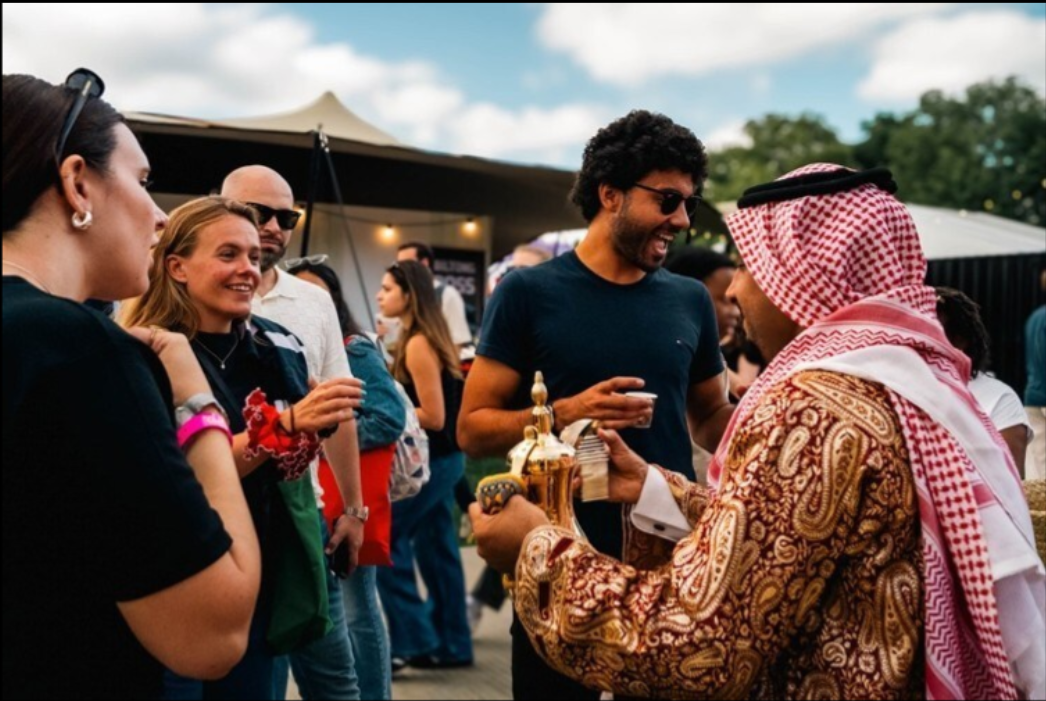
sampled traditional Saudi dishes at the annual Taste of London festival in Regent’s Park. Food lovers attending the five-day event were given the chance to explore Saudi cuisine through the Kingdom’s “Taste of Saudi Culture” pavilion. The space featured a variety of regional dishes, live cooking demonstrations, and a showcase of traditional ingredients.
The festival, one of London’s largest food events, attracts thousands of visitors each year and is known for bringing together cuisines from across the world. This year’s Saudi pavilion aimed to introduce visitors to dishes and flavours that remain relatively unfamiliar to many British audiences. Among the dishes on offer were haneeth, a slow-cooked lamb speciality, balila, a chickpea-based dish, and mutabbaq, a stuffed pastry popular across Saudi Arabia. Visitors also sampled Saudi-inspired beverages and desserts featuring ingredients including sidr honey and traditional spices from the Hail region.
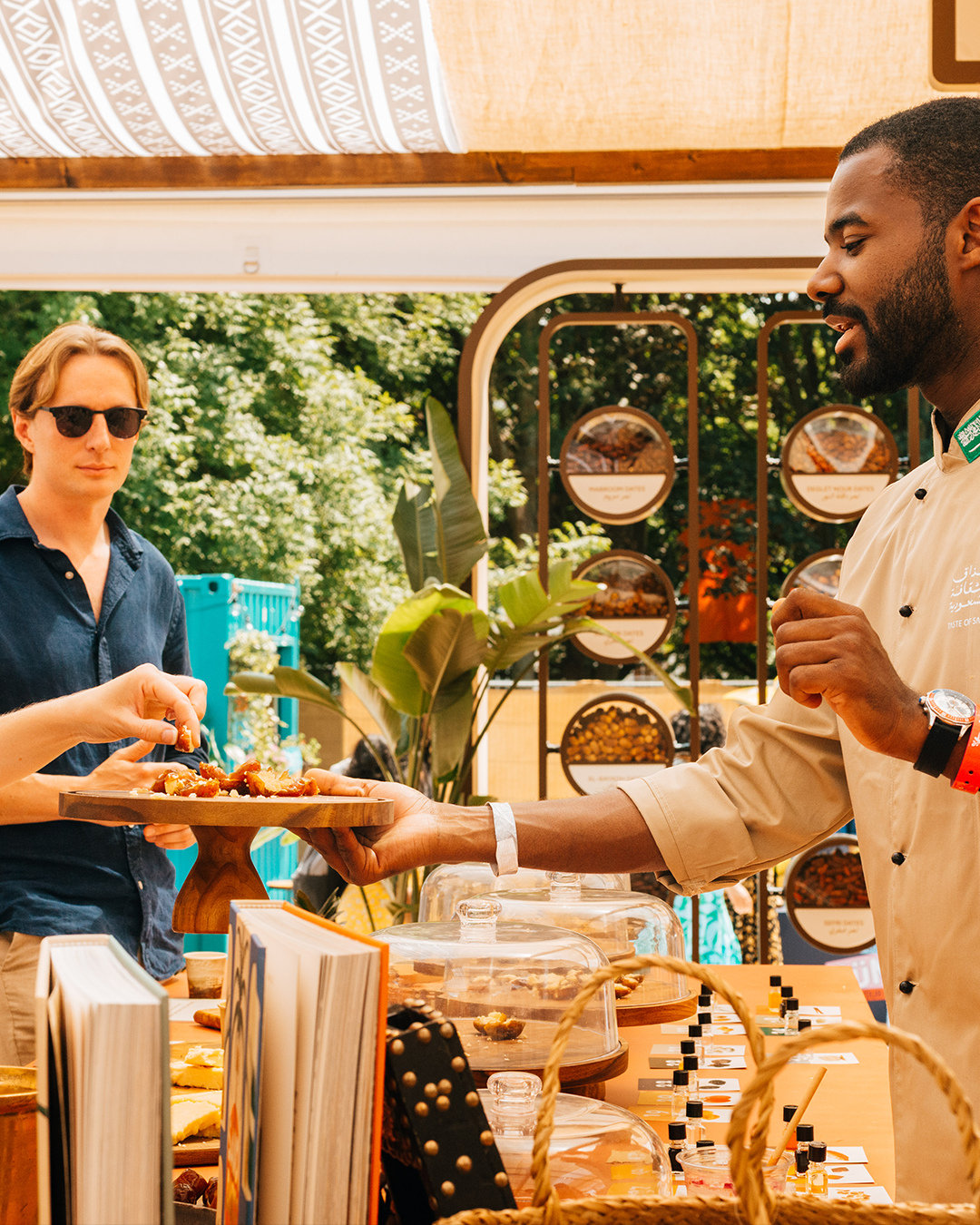
Experience matters. Therefore, the live cooking area proved to be one of the pavilion’s most popular attractions. As a cherry on top, award-winning chef Bader Alshaikh and chef and culinary curator Myasem Adham left no moment unused in showcasing their cooking techniques while preparing regional dishes.
Mayada Badr, Chief Executive of Saudi Arabia’s Culinary Arts Commission, said food provided a unique way to introduce people to different cultures. She said: “Food offers a unique window into culture, and Taste of Saudi Culture is an opportunity to share Saudi Arabia’s culinary heritage with international audiences. Through traditional dishes, local ingredients, and the hospitality that defines Saudi culinary culture, visitors are able to discover the richness of Saudi cuisine and the stories behind it.”
Alongside the food display, visitors were also able to explore Saudi-made products including dates, tea, coffee, chocolate, pottery, and perfumes. Such displays offered insights into the richness of Saudi cultural traditions.
The Culinary Arts Commission said its participation forms part of ongoing efforts to raise international awareness of Saudi cuisine and encourage cultural exchange through food.
As London’s appetite for global cuisine continues to grow, the festival provided another reminder of the capital’s status as a city where food remains one of the most accessible ways of discovering cultures from around the world.


