

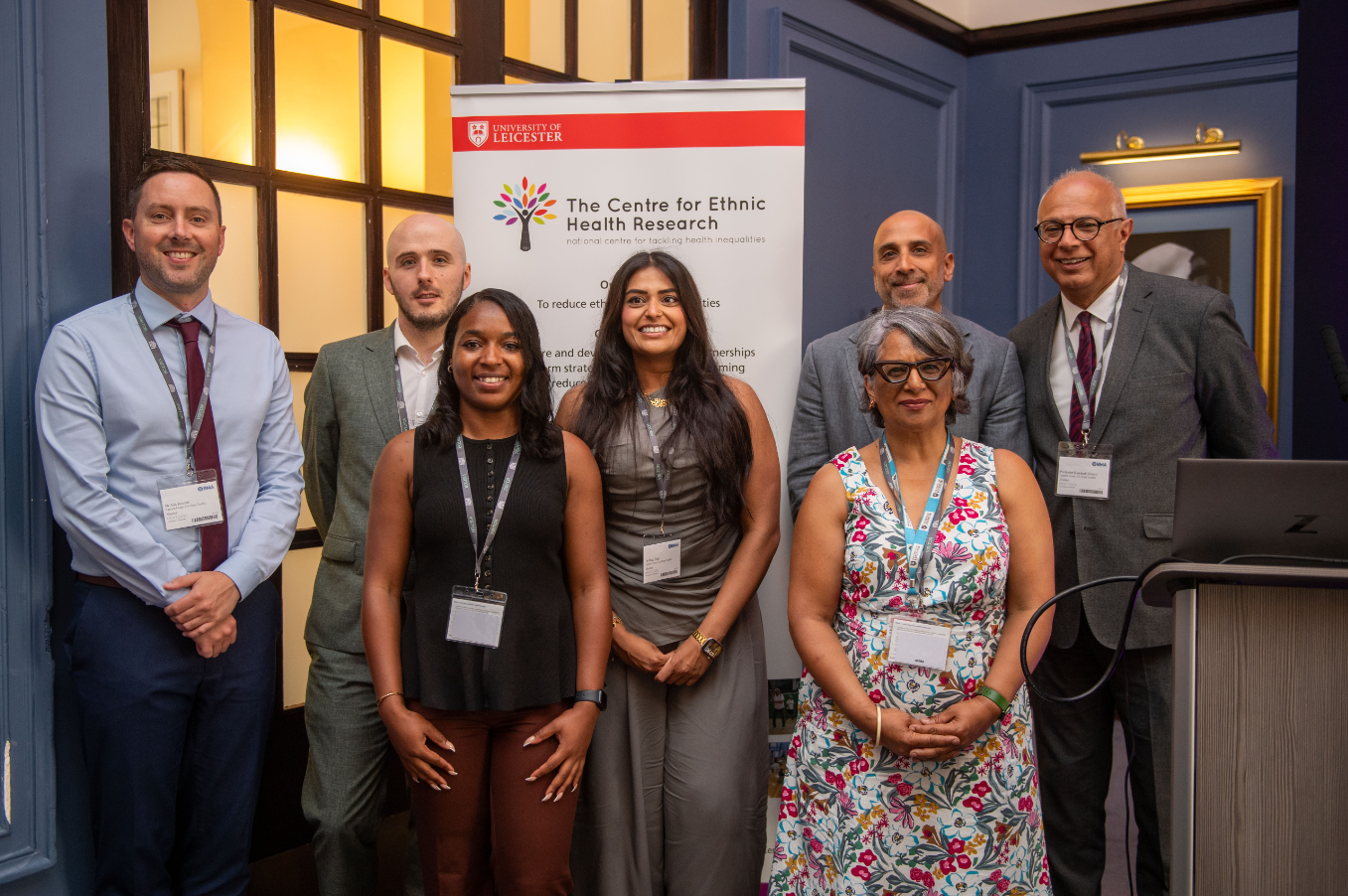
A new toolkit designed to help rebuild trust in medical research among ethnic minority communities has been launched by researchers at the University of Leicester.
The Co-Trust Toolkit was developed alongside ethnic minority communities themselves and aims to tackle longstanding concerns that have discouraged some people from taking part in medical studies and clinical trials.
Researchers say improving participation is vital to ensure new medicines and treatments are tested on a wider range of people, helping to reduce health inequalities and improve care for underserved communities. The toolkit was developed following several years of research into trust and mistrust in medical research, including work inspired by renewed interest in the Coventry “chapatti study” of the 1960s. The project explored why mistrust exists and what practical steps researchers can take to build stronger relationships with communities.
Rather than focusing solely on encouraging people to trust researchers, the toolkit emphasises the importance of research organisations becoming more trustworthy through transparency, accountability and meaningful community involvement.
Professor Kamlesh Khunti, Co-Director of the NIHR Applied Research Collaboration East Midlands, said better representation in research leads to “better evidence, better care and better health outcomes”.
Dr Riya Patel, Research Fellow at the Centre for Ethnic Health Research and Co-Principal Investigator of the project, said every recommendation in the toolkit had been shaped by listening to communities and learning from their experiences.
The toolkit was unveiled at a launch event in London attended by researchers, community leaders and healthcare stakeholders. Researchers hope it will help influence how medical research is designed and delivered across the UK, creating a more inclusive and trustworthy research system.
The Co-Trust Toolkit will be made available online alongside additional resources to support its use by researchers and organisations.


