



Newcastle City Council has approved a new multi million pound strategy aimed at improving early childhood development and supporting children living in some of the city’s most deprived communities.
The council’s £5.2 million Best Start in Life plan, backed by grant funding over the next three years, aims to help children aged 0 to 5 reach key developmental milestones before starting school.
The strategy comes amid growing concerns about life opportunities in Newcastle. Research by the Sutton Trust previously ranked Newcastle Central and West as the constituency with the poorest life opportunities for young people in England. New findings published this week also placed the area at the bottom of the national rankings for the life chances of white working class children.
Council leaders say the plan is designed to improve opportunities for young people and reduce development gaps across the city. The initiative specifically aims to support families living in the inner east and west of Newcastle.
Currently, only 66.4 per cent of children in Newcastle achieve a Good Level of Development by the end of their reception year, below the national average of 68.3 per cent. The council aims to increase that figure to at least 74.6 per cent by 2029, which would mean an additional 244 children meeting expected development targets.
The strategy will focus on supporting families facing the greatest barriers, including children with special educational needs and disabilities, those who speak English as an additional language, and children born during the summer months.
Planned measures include baby programmes designed to improve early communication skills, literacy schemes for three and four year olds, additional school based nursery places, and specialist SEND staff within Best Start Family Hubs.
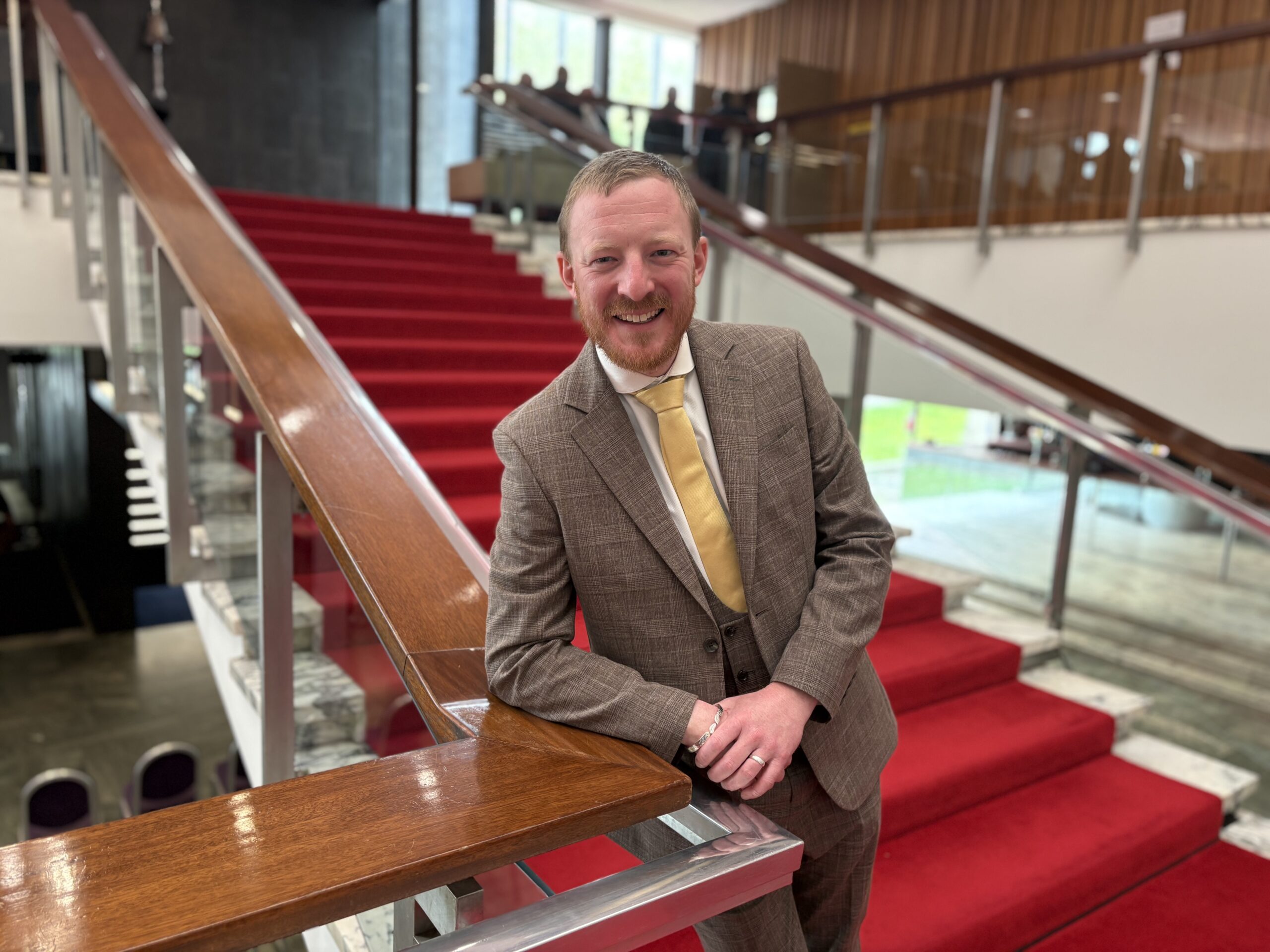
Cllr Colin Ferguson said early childhood development plays an important role in shaping children’s futures.
“A child’s early years have a massive impact on future life outcomes. If we can get this right, we can have a transformative effect for young people throughout the course of their life,” he said.
Council documents acknowledge that the targets are ambitious, pointing to rising child poverty levels and increasing numbers of children eligible for free school meals as significant challenges.
However, city leaders believe early intervention and targeted support can help more children start school ready to learn and improve outcomes later in life.
Updated by Yashvi Jain


