


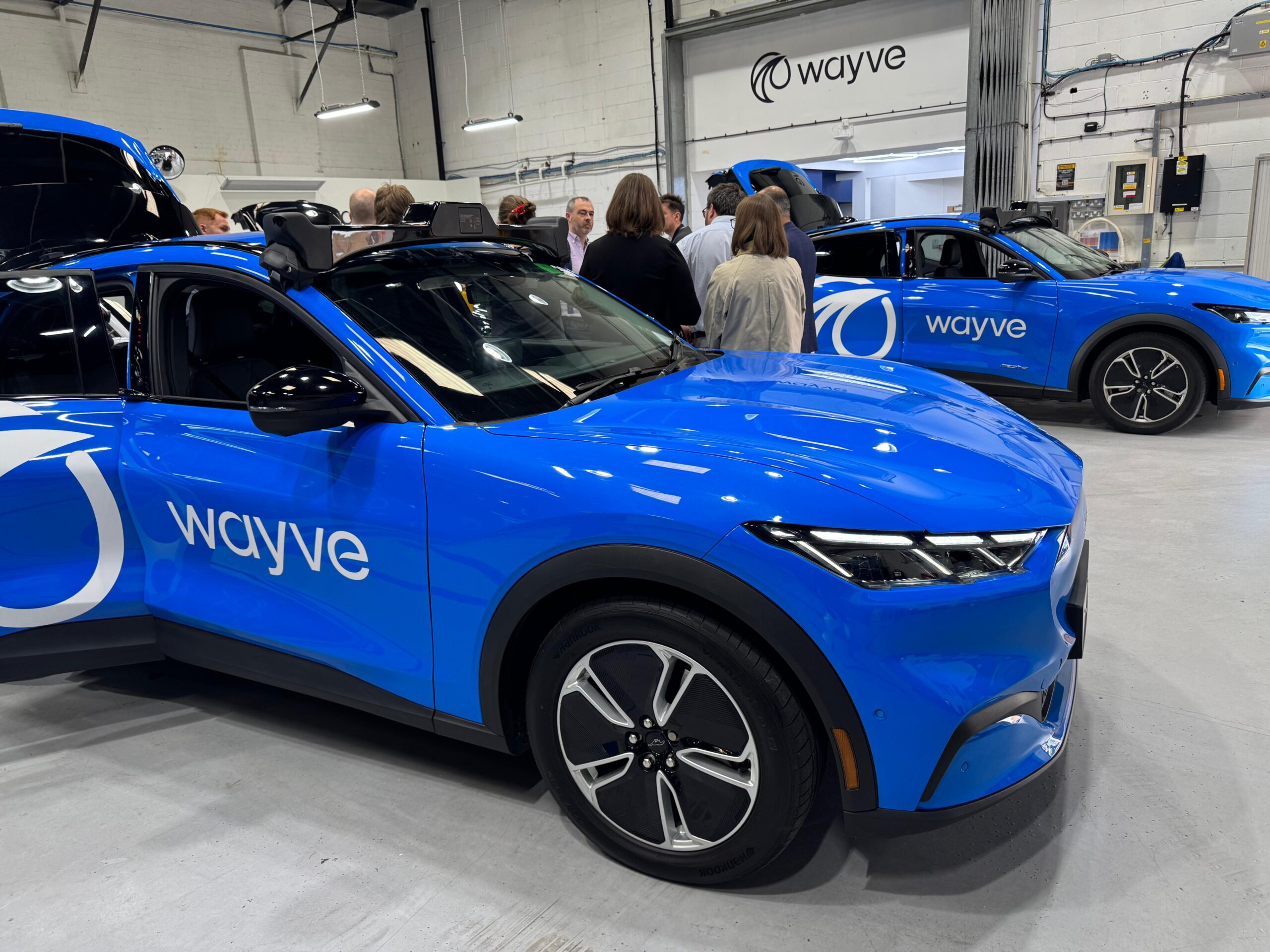
Self driving taxis, also known as Robotaxis, could help connect transport deserts in outer London and improve access to public transport, but concerns remain over congestion and job losses, according to members of the London Assembly.
The London Assembly Transport Committee is examining whether the capital is ready for the arrival of autonomous taxis, as British technology company Wayve prepares to launch self driving vehicles on London’s roads, subject to regulatory approval.
Assembly Members recently visited Wayve’s headquarters in Islington to experience the technology first hand, taking part in a 15 minute journey through North London in one of the company’s autonomous vehicles.
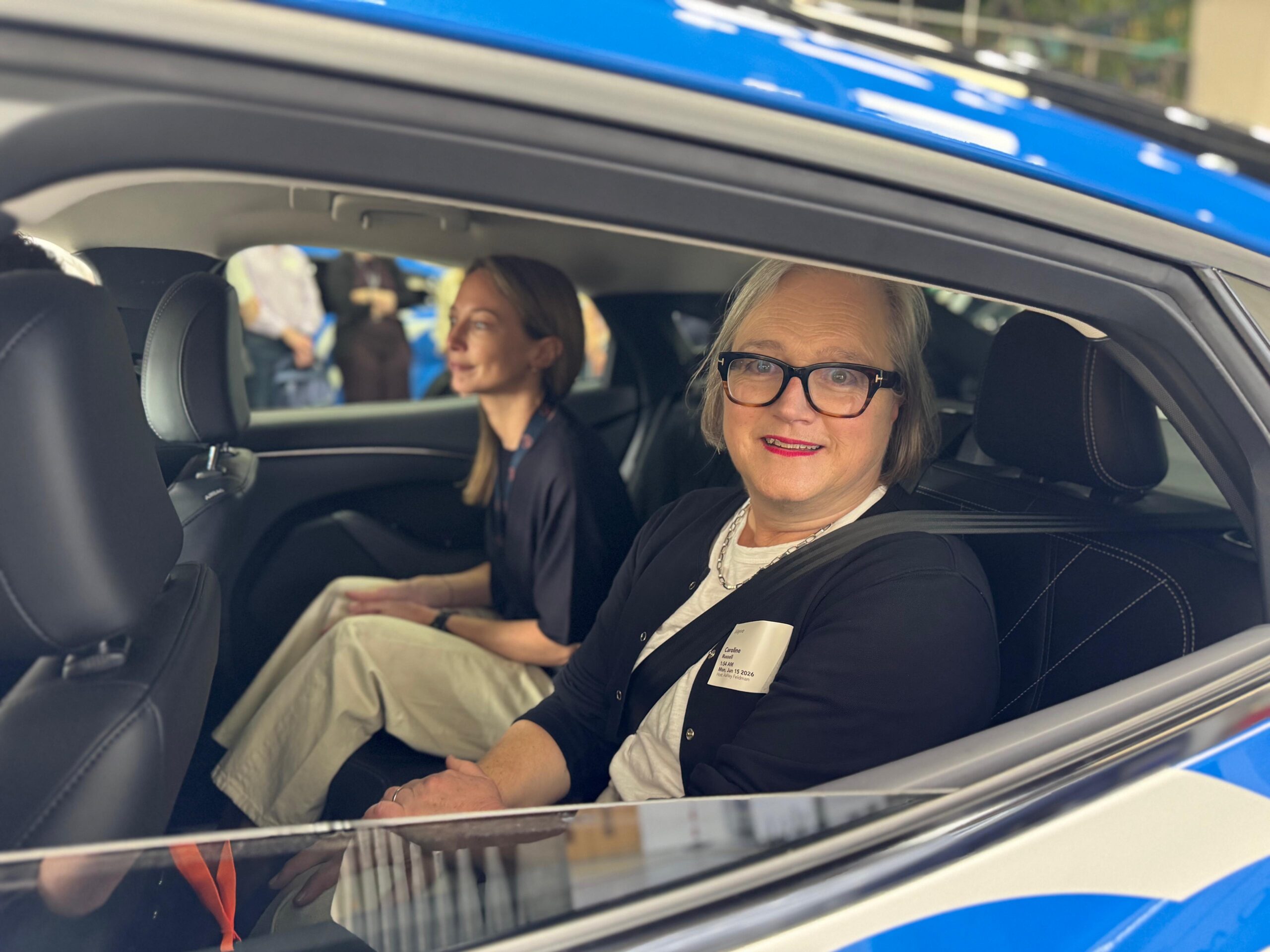
Following the trial, Transport Committee Chair Caroline Russell described the experience as “very smooth” and said the technology showed significant promise from a road safety perspective.
She highlighted the potential for self driving vehicles to follow speed limits, maintain safe distances from cyclists and better protect pedestrians.
While acknowledging the benefits of autonomous vehicles, she raised concerns that a commercial rollout could increase congestion if the technology simply adds more private hire vehicles to London’s roads.
Experts believe that the technology can help achieve London’s transport goals, but only if it follows the successful model adopted in Oslo. In the Norwegian capital, self driving vehicles have been integrated into the public transport network rather than operating solely as commercial taxi services. A similar approach could help improve connectivity while avoiding additional pressure on London’s already congested roads.
However, its greatest benefit could be felt in outer London, where public transport options are often limited. As a result, many residents feel compelled to own a car despite the high costs involved. Experts believe autonomous vehicles operating as shared transport services could help bridge this gap and improve access to existing transport hubs.
Transport for London said safety remains its top priority and that any rollout of autonomous vehicles must align with the Mayor’s Transport Strategy, including the Vision Zero target to eliminate deaths and serious injuries on London’s roads by 2041.
While questions remain over congestion, regulation and the impact on existing drivers, Assembly Members believe autonomous vehicles could play an important role in improving transport links in parts of London that remain poorly connected.
Updated by Yashvi Jain


