

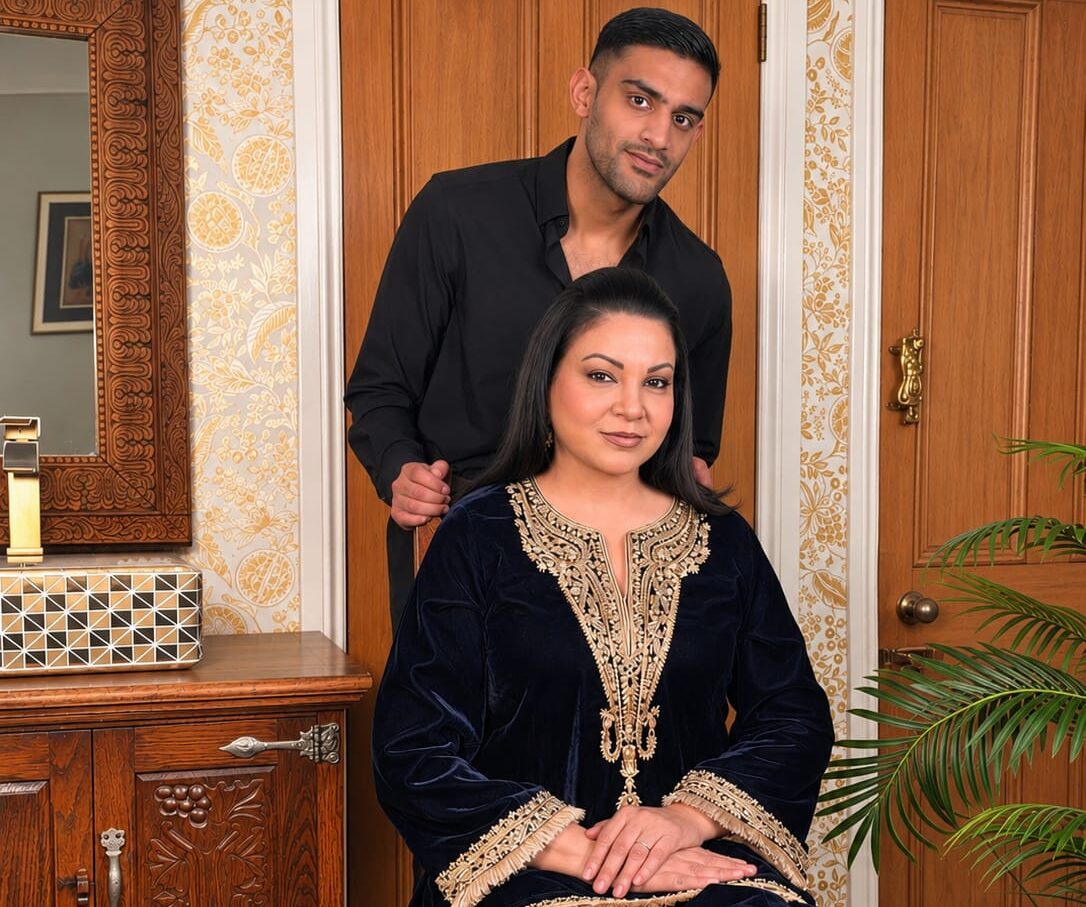
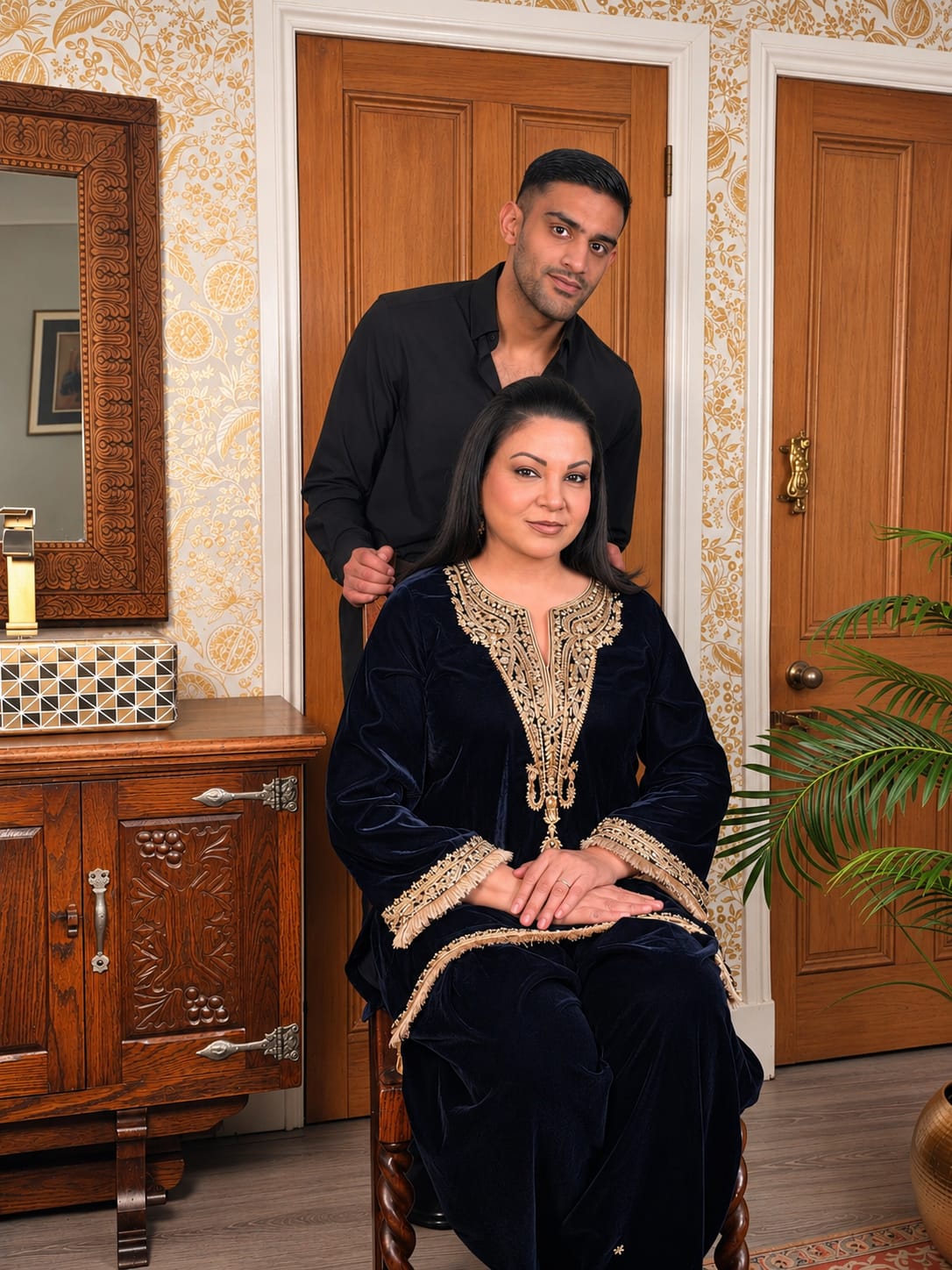
In our home, my husband and I share household responsibilities, and we teach our son, Amar, to do the same. We want him to understand that caring for a home and the people in it is a responsibility he shares.
When he becomes someone’s partner or husband, we want respect, mutual care and love to guide how he treats her. We want him to understand that her voice matters as much as his, that her ambitions deserve support, and that she has the right to make her own choices.
As we mark the International Day for the Elimination of Violence Against Women, I have been thinking about how we prepare our sons for those relationships, and what they learn from the relationships around them.
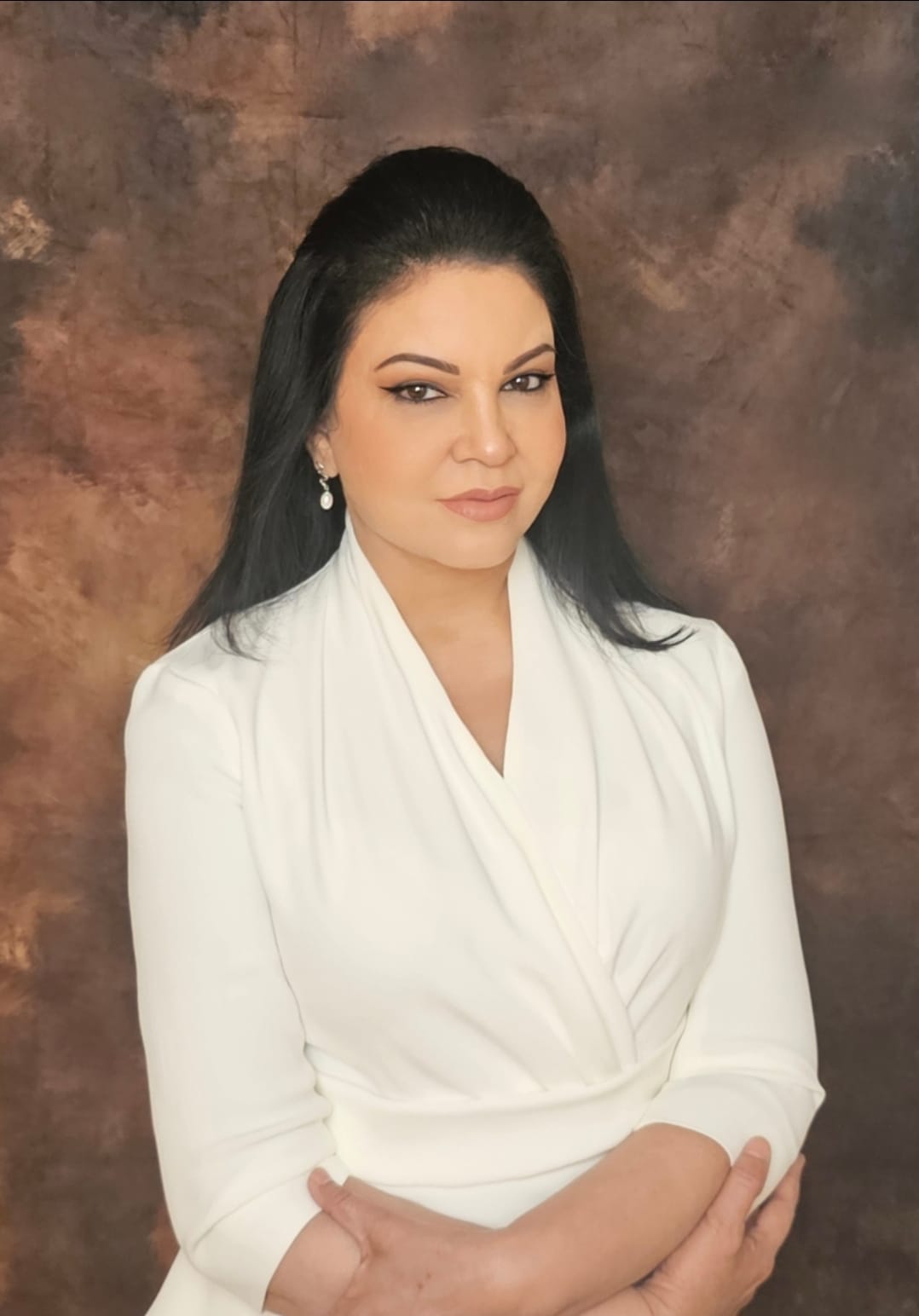
Over the years, many women have sat in my chair. As a beauty therapist, I spend time close to people, often in moments when they finally have a little space for themselves.
Some women talk freely. Others say very little. Sometimes I notice tension in their shoulders or how difficult they find it to relax. I cannot know someone’s life simply by looking at her. But I have learnt that a woman can carry a great deal without saying a word.
When she does find the courage to speak about being hurt, our response matters.
Too often, we give her instructions.
Don’t answer back. Don’t upset him. Think of the children. Keep the family together.
I have heard women advise other women who are being abused by their husbands that they must “satisfy him” to stop the abuse.
Every time I hear this, I ask: why?
Why is she being made responsible for preventing his violence? And what does a boy learn when he hears adults explain away a man’s behaviour while telling a woman to change hers?
Growing up in the 1970s and 1980s, I remember the attitudes in our communities. If a woman complained that her husband had beaten her, she could find herself being scolded: “You must have done something wrong.”
Before anyone had asked whether she was safe, they had already begun looking for her fault.
Whatever had happened between them, there was no justification for violence. An argument, a mistake or a disagreement gives no one permission to hurt another person.
Women have also shared with me stories of being physically hurt by their fathers or forced into marriages in the name of family tradition or honour.
No daughter should be denied the right to choose her own future. We must ask what we are teaching our children when a daughter’s freedom is treated as a threat to the family’s reputation, while a father’s cruelty is excused as protecting it.
I know some women who advise others to endure abuse grew up hearing that advice themselves. Perhaps keeping a man happy was how they learnt to survive. I do not dismiss what they endured. But we must recognise the harm in passing that lesson to another generation.
Advice that helps a woman get through a frightening night should never become an excuse for the man who made her afraid.
When a woman tells us she has been hurt, our first response should be to listen, believe her and ask what support she needs. The responsibility for violence belongs to the person who chooses to use it.
Raising our sons with better values is one part of changing this. It cannot fall to mothers alone. Fathers, relatives, teachers and friends all help shape what boys come to accept as normal. Adult men remain responsible for examining and changing their own behaviour, whatever lessons they grew up with.
In our family, sharing responsibilities is one everyday way of teaching equality. Doing the washing-up will not, by itself, teach a child everything about respect. He also needs to see how adults handle disappointment, listen to each other and disagree without threats or humiliation.
We must teach our sons that hearing “no” is part of life. That anger is a feeling they are responsible for managing. That love does not entitle them to another person’s body, obedience or forgiveness.
We must also help them find the courage to challenge other men. A friend who humiliates his partner should not be rewarded with laughter. Controlling behaviour should not be praised as devotion. Men can support women by taking their experiences seriously and refusing to excuse cruelty among their own friends.
My hope for Amar is that he will build a relationship in which both people feel safe, valued and free to be themselves. I also hope he will recognise when another woman is being denied that same dignity, and understand that he has a part to play.
This International Day for the Elimination of Violence Against Women, let us think about the lessons our sons are learning at home, at school and in our communities.
For generations, girls have been taught how to live with the fear of what men might do. As we raise our sons, we have an opportunity, and a responsibility to help build a world in which that fear no longer shapes their lives.
For more information you can contact Prity at Prity Skincare


