


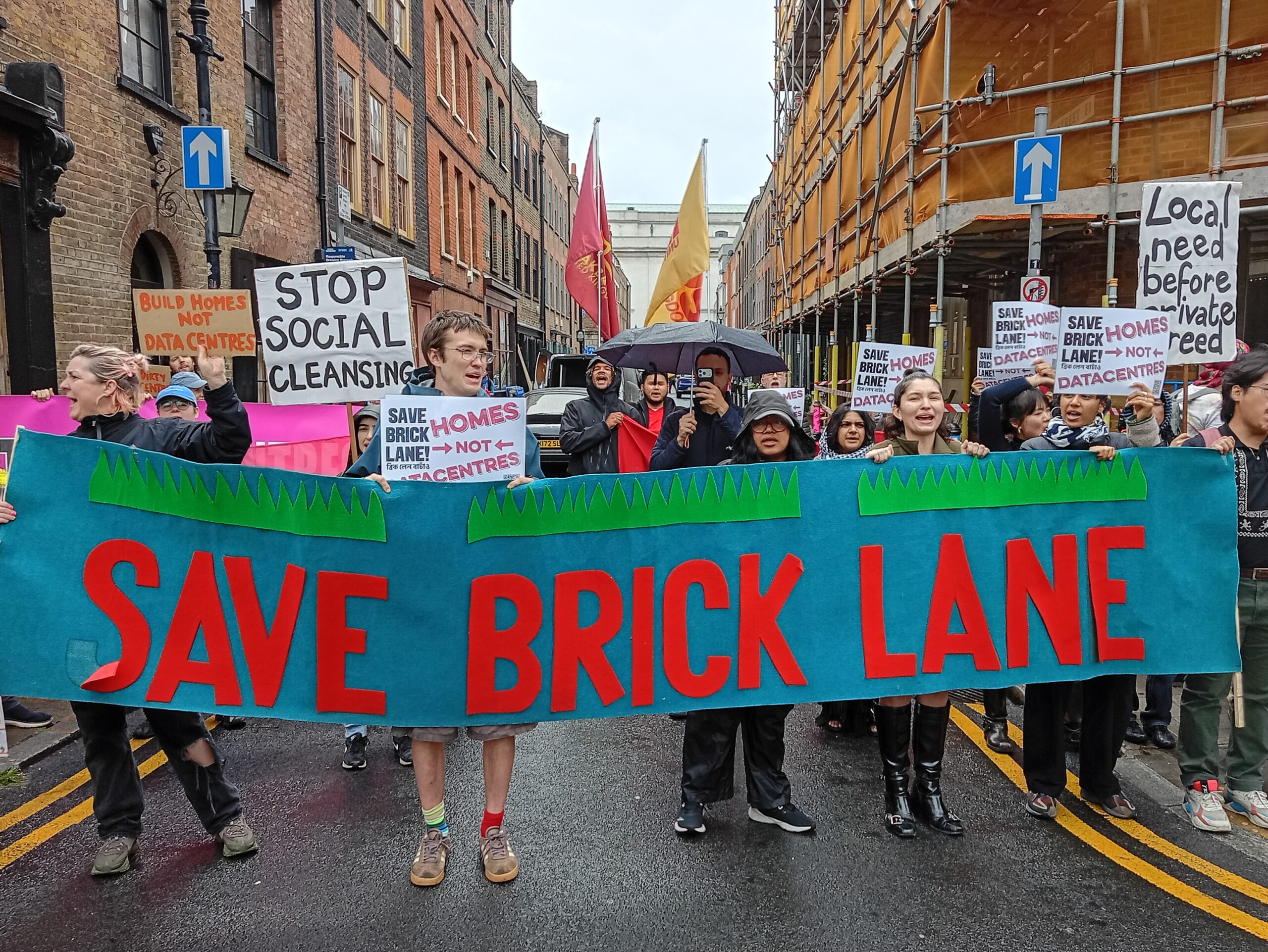
Campaigners fighting to protect Brick Lane have suffered a major setback after the government approved controversial plans to build offices and a data centre around the historic East London neighbourhood despite strong local opposition.
Housing Minister Matthew Pennycook signed off the development on behalf of Deputy Prime Minister and Housing Secretary Angela Rayner, overruling objections from Tower Hamlets Council and the Save Brick Lane campaign.
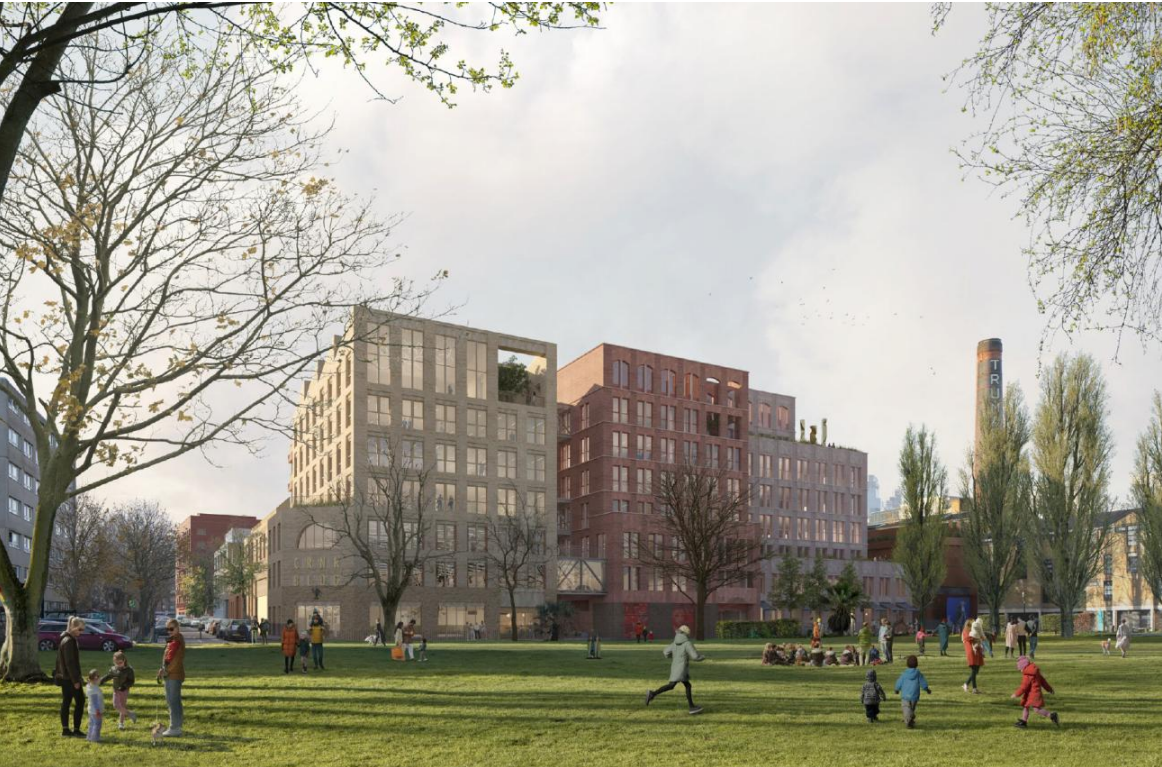
The proposals, submitted by Truman Estates and Zeloof LLP, will transform three sites around Brick Lane, including the Truman Brewery, with five new office buildings, a cinema, supermarket, market space and 44 homes.
Only six of those homes will be available for social rent.
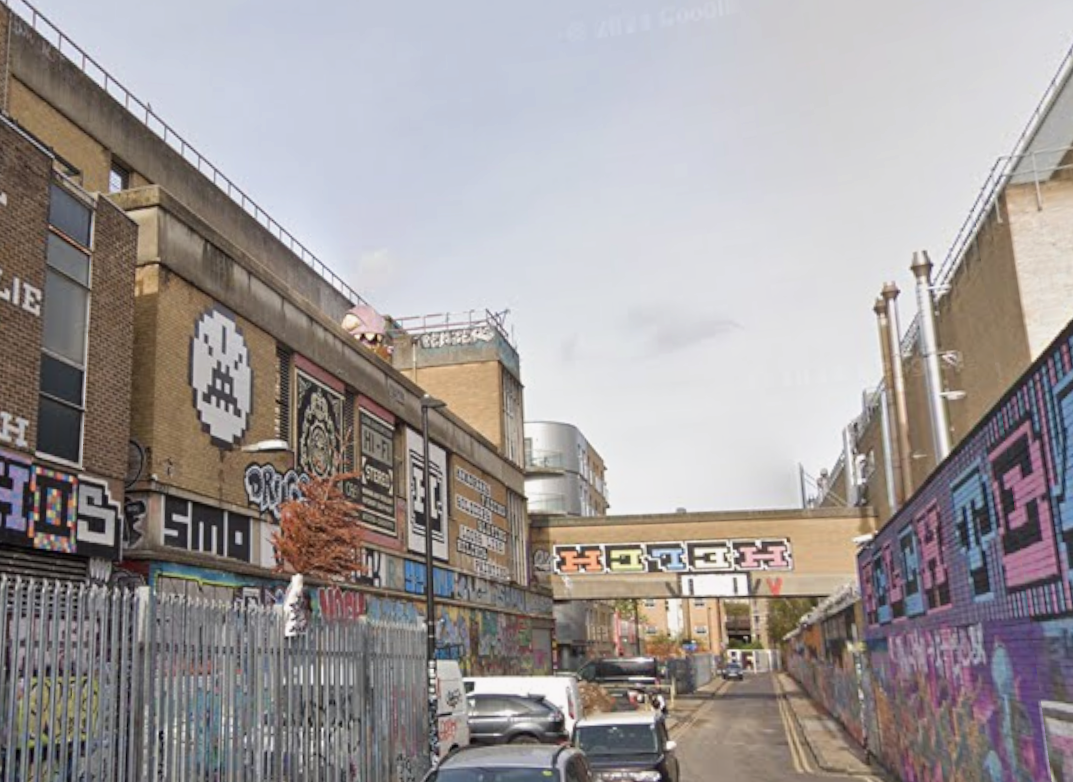
The scheme also includes additional office space at Ely’s Yard and a data centre on Grey Eagle Street.
Save Brick Lane campaigners argued the land should instead be used for a housing-led development, warning the commercial scheme could fuel rising rents, displace long-standing residents and threaten Brick Lane’s internationally recognised curry house culture.
It added: “The London Assembly report, ‘Gridlocked: how planning can ease London’s electricity constraints’, warns that the growing demand from data centres can delay the delivery of much-needed housing. Our community should not be expected to accept a noisy, energy-intensive development that will consume enough power for over 15,000 homes while local needs are being discarded for the dictates of the financial district. “
Tower Hamlets Mayor Lutfur Rahman described the decision as “deeply disappointing” and said it represented a missed opportunity to tackle the borough’s housing crisis. “Tower Hamlets is facing an acute housing crisis, with over 30,000 households on the waiting list and thousands of families living in overcrowded conditions. Against that backdrop, a development of this scale delivering only six homes for social rent falls significantly short of addressing local need,” he said.
He also questioned the inclusion of the proposed data centre, arguing it would “do nothing to contribute to the activity, vitality and character of this historic and treasured part of London.”
In the decision letter, Pennycook said the government recognised concerns raised by the local Bangladeshi community and acknowledged the cultural importance of Brick Lane and Banglatown. However, he said ministers had seen “no detailed
evidence” demonstrating that a housing-led alternative was financially viable.
The decision also noted that the six affordable homes had been designed to accommodate larger Bangladeshi heritage families.
The government argued the redevelopment would deliver significant economic benefits, including an estimated £80 million in annual spending outside the site, with £48 million expected to be spent locally.
It also said the new offices would create jobs and that the proposed data centre would provide “very significant” public benefits by supporting faster internet connectivity for nearby City financial firms.
Campaigners had also hoped the decision would be delayed until Tower Hamlets emerging Local Plan, which proposes an 800-home housing-led redevelopment of the Truman Brewery site, carried greater planning weight.
But Pennycook said the draft policy was still undergoing examination and therefore could only be given “limited weight” in the decision-making process.
The proposals were originally submitted to Tower Hamlets Council in August 2024 before developers appealed to the Planning Inspectorate in June 2025 after the council failed to determine the applications within the statutory deadline.
The government subsequently called in the scheme, arguing it was of “more than local significance”.


