

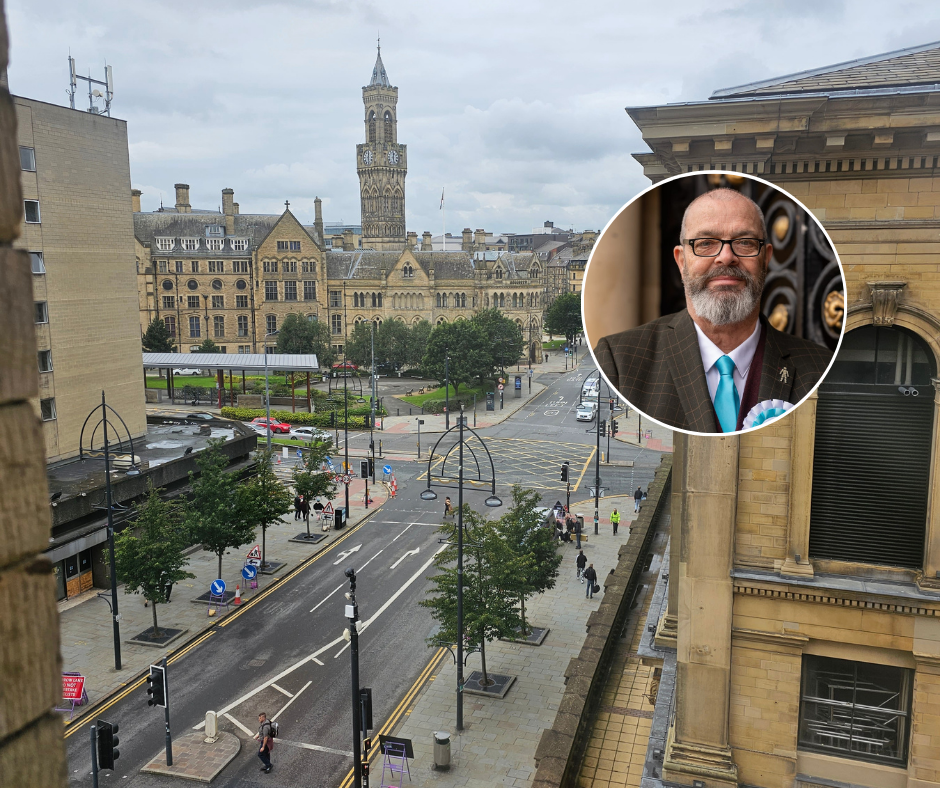
Bradford Council’s new Reform UK leader has declared that the district has been “standing still” for two decades, while pledging to bring investment not only into the city centre but also into the communities he says have been left behind for years.
In his first major comments since taking control of the authority, Councillor Stephen Place praised transformational projects such as the Bradford-Leeds tram network and the £4 billion Southern Gateway regeneration scheme but warned that residents in many of Bradford’s outer estates have yet to feel the benefits of investment.
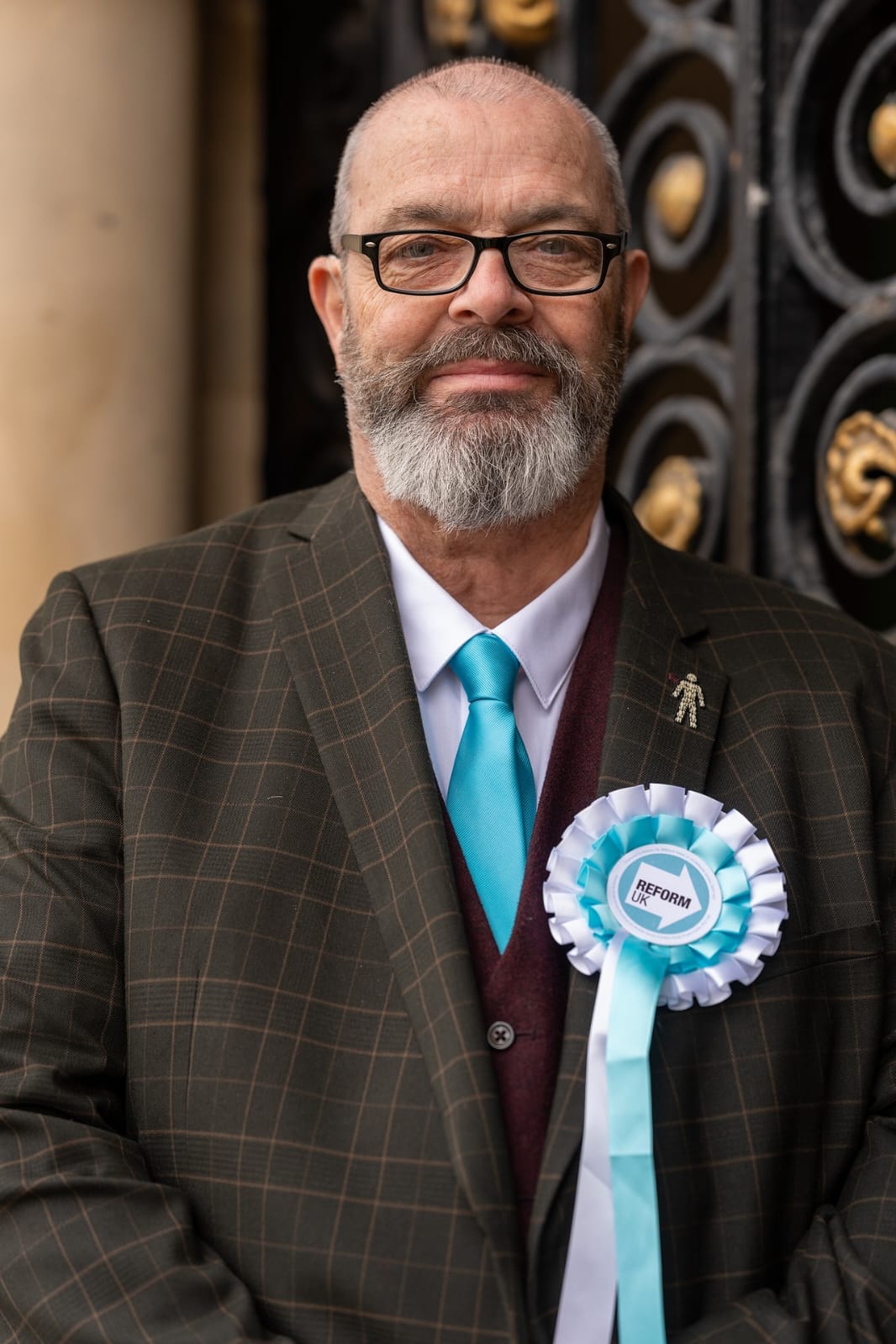
Addressing the West Yorkshire Combined Authority’s Business Board, Cllr Place said Bradford was finally on the brink of significant change but insisted regeneration must reach every corner of the district.
“Without being too political, Bradford has been standing still, or treading water, for 20 years,” he told business leaders and local authority representatives.
“We’re a poor second cousin to this wonderful city,” he added, referring to Leeds, where the meeting was held.
The Reform leader, whose party took control of Bradford Council following May’s local elections, said attracting businesses and creating jobs would be central to his administration’s plans.
“Without business, the city won’t go anywhere,” he said.
“We really need to increase our business community. We’re looking to make Bradford more attractive and get people talking to us about what we have to offer.”
Cllr Place highlighted Bradford’s unique blend of heritage, culture and architecture, pointing to the city’s growing reputation following its year as UK City of Culture 2025.
He said the council was now “laser focused” on turning that momentum into long-term economic growth.
The councillor recently attended UKREiiF, the UK’s largest real estate and infrastructure forum, where major regeneration projects across West Yorkshire were showcased to investors.
Among the schemes highlighted were plans for the long-awaited mass transit system linking Bradford and Leeds, alongside the Southern Gateway development, which aims to deliver 5,000 new homes, commercial space and public amenities on a vast site south of the city centre.
Describing the projects as “fantastic”, Cllr Place said they had the potential to transform Bradford’s future.
However, he admitted his thoughts quickly turned to the communities that had backed Reform UK at the ballot box.
“I got back on the train and thought this is wonderful for Bradford,” he said.
“Then I thought, hold on a minute, what about the people who voted us in?”
He pointed to large council estates and communities on the outskirts of Bradford, saying many had seen little investment and few opportunities over recent years.
“Very little has been invested in those areas and many people feel they have very little to look forward to,” he said.
As a result, he said the council’s next priority would be devolving more decision-making power to local communities, allowing residents, town councils and voluntary organisations greater influence over spending priorities and local projects.
“Instead of us telling them what they can have, we want them to tell us what they want,” he said.
Cllr Place also stressed the importance of maintaining the unity and cultural pride generated by Bradford’s City of Culture year.
“We’re such a diverse city and we need to build on that momentum,” he said.
“We’re coming up to the 25th anniversary of the Bradford riots. We never, ever want to return to those dark days.”
Ending his address with a message to investors and entrepreneurs, he declared: “Bradford is open for business. My door is always open.”
His comments were welcomed by Business Board chair Mandy Ridyard, whose company relocated to Bradford in 2016.
“It is a fantastic place to have a business,” she said.
“Hopefully Bradford will continue to go from strength to strength with some of the plans that are being developed.”


