

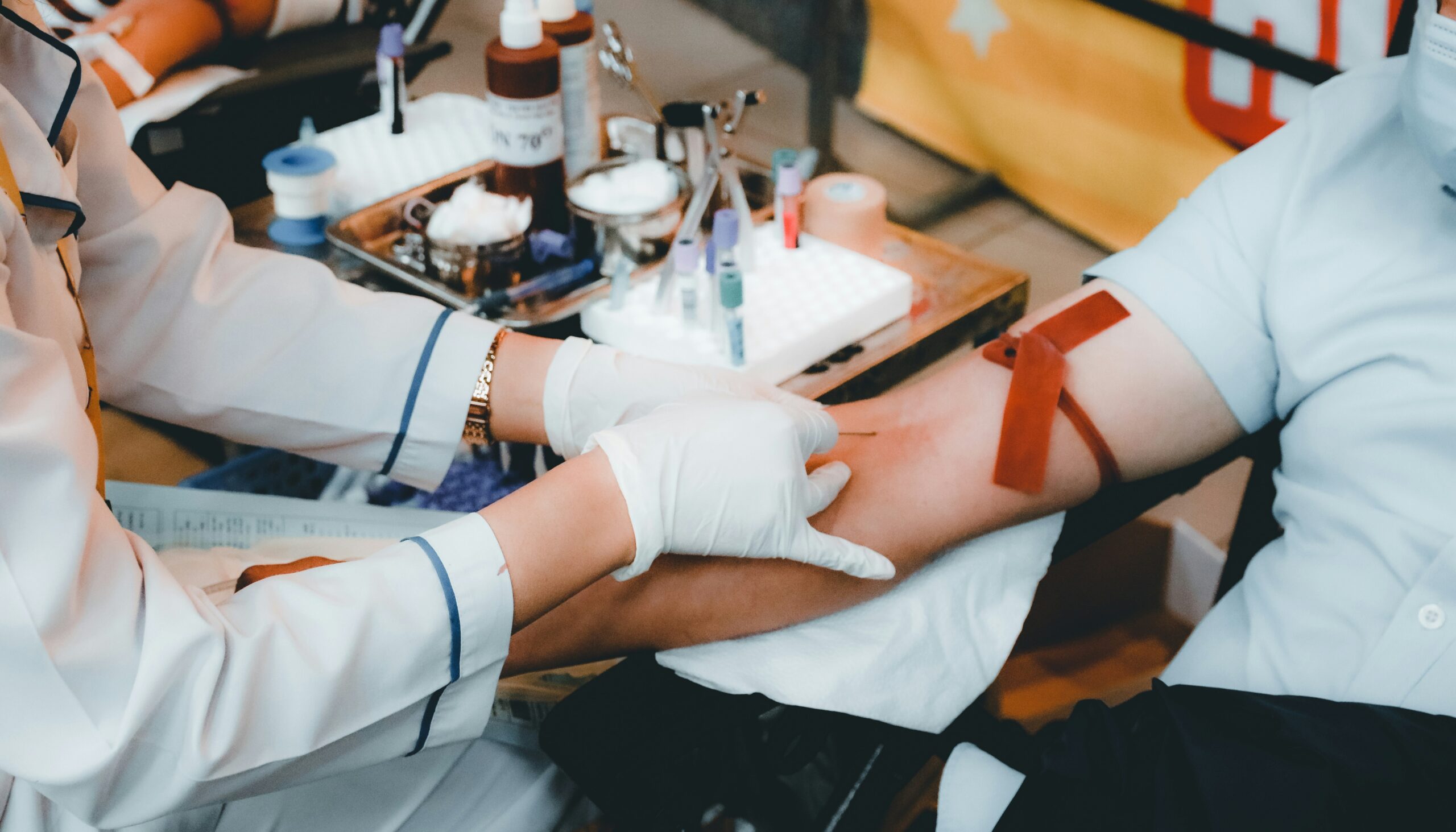
For most people, signing up for a clinical trial is about helping future generations. It opens the door to better study modern medicines. The discovery of new drugs and medicines lies in clinical trials and the healthy volunteers whose meaningful contributions help create reliable data. Harijit Ahluwalia, one of those volunteers, never imagined it would change his own life.
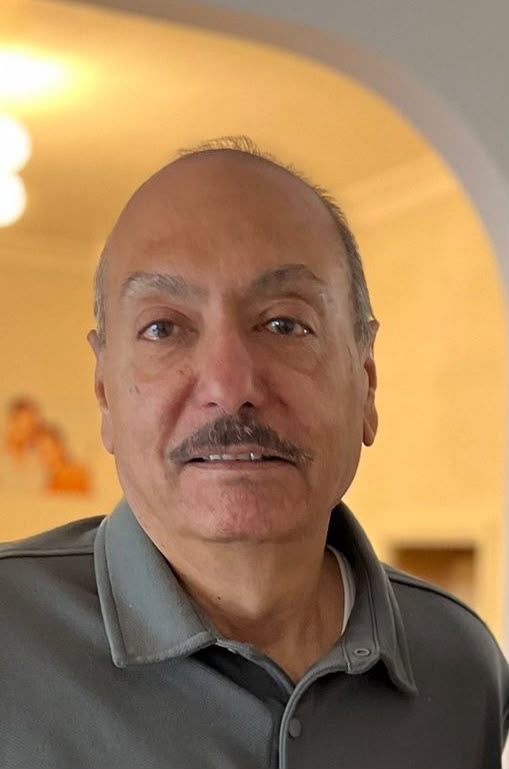
The 68-year-old from Southall volunteered for a vaccine study through his GP surgery, hoping to contribute to medical research. Instead, routine health checks revealed something he never expected. He had an abnormal heart rhythm that had gone completely unnoticed.
“I found out something was wrong with my body before I even realised it myself,” he said.
The discovery was made during an electrocardiogram (ECG), a routine heart trace carried out as part of a study into a vaccine for Respiratory Syncytial Virus (RSV). While RSV often causes mild cold-like symptoms in healthy adults, it can lead to serious illness among older people and those with underlying health conditions.
As a precaution, Mr Ahluwalia was withdrawn from the study, which is standard practice when previously undiagnosed medical conditions are identified. Rather than putting him off research, however, the experience strengthened his belief in it. He has since taken part in another clinical trial, this time for a flu vaccine.
Now, during South Asian Heritage Month, he hopes his story will encourage more people from South Asian communities to volunteer for research. “I’ve always believed that taking part in research helps other people in the future,” he said.
“But I also discovered something important about my own health. If you’re thinking about taking part, I’d say do it. You have nothing to lose, and you might learn something about yourself that you never knew.”
His experience comes as new figures from the National Institute for Health and Care Research (NIHR) reveal that almost 879,000 people across England took part in research during 2025/26, including more than 178,000 participants in London.
Research also took place in GP surgeries, where more than 11,900 Londoners joined studies through 351 practices. Of those taking part in hospital and GP research across the capital, an estimated 3,270 participants were of Asian ethnicity.
Health experts say increasing participation from South Asian communities is vital. Some medicines and treatments can affect different ethnic groups differently, making diverse participation essential to developing safer and more effective healthcare.
Dr Ivor Singh, Mr Ahluwalia’s GP, said increasing representation in research remains a priority. “We really value research participants like Harijit,” he said. “As we mark South Asian Heritage Month, we are particularly encouraging more members of the community to take part in research.”
Abnormal heart rhythms, known as arrhythmias, affect more than two million people in the UK. While some are harmless, others can lead to serious complications including stroke, heart failure or sudden cardiac arrest if left untreated.
South Asian Heritage Month may end, but the message remains the same. Increasing participation from ethnic communities in medical research is essential, with experts warning that underrepresentation can affect how diseases are understood and how treatments are developed for diverse populations.
This is where Mr Ahluwalia inspires. What started as a simple decision to support medical research became something far more personal. A routine check during a vaccine trial uncovered a condition that could easily have remained hidden, proving that sometimes helping medical science can also help yourself.


